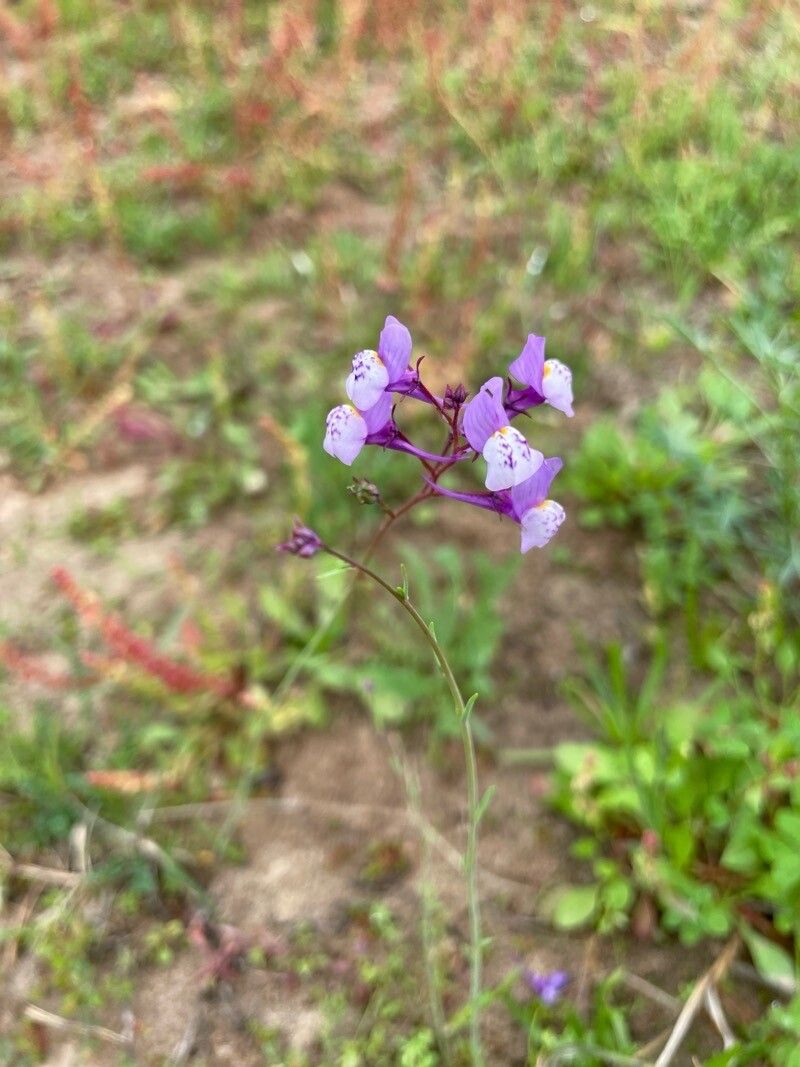
Oh, hello there! Come on in, grab a mug of something warm. Let’s chat about a little gem of a plant: Linaria algarviana. If you’ve ever seen these beautiful little snapdragon-like blooms dancing in the breeze, you know why I’m so smitten. They bring such a cheerful, delicate charm to the garden, don’t they? And the best part? They’re surprisingly rewarding to propagate. If you’re a beginner, I’d say Linaria algarviana is a friendly plant to get your propagation journey started with. It’s not overly fussy, which is always a bonus when you’re learning!
The Best Time to Start
For the highest success rate with Linaria algarviana, I find that early spring is your magic window. Think after the last hard frost, when the plant is actively growing and has plenty of vigor. Taking cuttings then means they can establish themselves and grow strong before the heat of summer or the chill of autumn sets in. You can also have a go in late summer, but spring just feels a bit more forgiving.
Supplies You’ll Need
Gathering your tools beforehand makes the whole process so much smoother. Here’s what I usually have on hand:
- Sharp pruning shears or a clean, sharp knife: For making clean cuts.
- Potting mix: A gritty, well-draining mix is key. I often use a blend of regular potting soil with perlite or coarse sand to ensure good aeration.
- Small pots or trays: Clean ones, please! Anything from tiny starter pots to seed trays works.
- Rooting hormone (optional but helpful): A powder or gel to encourage root development.
- Plastic bags or a propagator lid: To create a humid environment.
- Watering can with a fine rose: For gentle watering.
- Labels: For keeping track of what you’ve potted up!
Propagation Methods
Linaria algarviana is happily propagated by stem cuttings. It’s straightforward and gives you a great sense of accomplishment.
Here’s how I do it:
- Find Your Source: Look for healthy, non-flowering stems on your Linaria algarviana plant. You want stems that are firm but not woody. About 4-6 inches long is ideal.
- Take the Cutting: Using your sharp shears or knife, make a clean cut just below a leaf node (where a leaf attaches to the stem). This is where roots are most likely to form. Remove any flowers or developing flower buds; these take energy away from root production.
- Prepare the Cutting: Gently strip off the lower leaves, leaving just a few at the top. If you’re using rooting hormone, dip the cut end into it now, tapping off any excess.
- Potting Up: Fill your clean pots with your prepared, gritty potting mix. Make a small hole in the center of the soil with a pencil or your finger.
- Planting: Insert the cut end of your Linaria algarviana cutting into the hole, ensuring the leaf nodes are below the soil surface. Gently firm the soil around the stem.
- Water and Cover: Water the pot thoroughly but gently. Then, cover the pot with a clear plastic bag or a propagator lid. This helps to keep the humidity high, which is crucial for cuttings.
The “Secret Sauce” (Pro Tips)
Over the years, I’ve picked up a few tricks that seem to help things along.
First, and this is an important one for many cuttings, don’t let the leaves touch the water. If you’re water propagating (though I find soil works best for Linaria), ensure the cut end is submerged, but the leaves are well above the waterline to prevent rot.
Second, bottom heat can work wonders. If you have a heat mat designed for seedlings, placing your potted cuttings on it can significantly speed up root formation. It mimics the warmth of spring soil and really gives them a boost. Just keep an eye on moisture levels if you do this, as it can dry out the soil faster.
Aftercare & Troubleshooting
Once your cuttings are in their pots and covered, place them in a bright location, but out of direct, scorching sunlight. A spot on a windowsill that gets indirect light is perfect. Keep the soil consistently moist – not waterlogged, but never dry. Peek under the plastic regularly to check for condensation; if it’s excessive, give them a little air.
You’ll know your cuttings have rooted when you see new growth appearing and if you gently tug on the stem, there’s resistance. This usually takes anywhere from 3-6 weeks. Once they’ve established a good root system, you can gradually remove the plastic cover and treat them like small plants.
Now, what if things go wrong? The most common issue is rot. This usually happens if the soil is too wet and there isn’t enough air circulation. If a cutting turns mushy and black, it’s usually a goner. Don’t be discouraged! Sometimes it’s just a matter of trying again, perhaps with better drainage or by ensuring the pot is clean. Leggy growth without roots can mean they’re not getting enough light or are taking too long to root, so be patient.
A Encouraging Closing
Propagating Linaria algarviana is such a lovely way to multiply these cheerful blooms for your garden. Remember, gardening is a journey, and sometimes nature has her own timetable. Be patient with your little cuttings, enjoy watching for that first sign of new growth, and celebrate each success. Happy propagating!
Resource:
https://identify.plantnet.org/k-world-flora/species/Linaria%20algarviana%20Chav./data