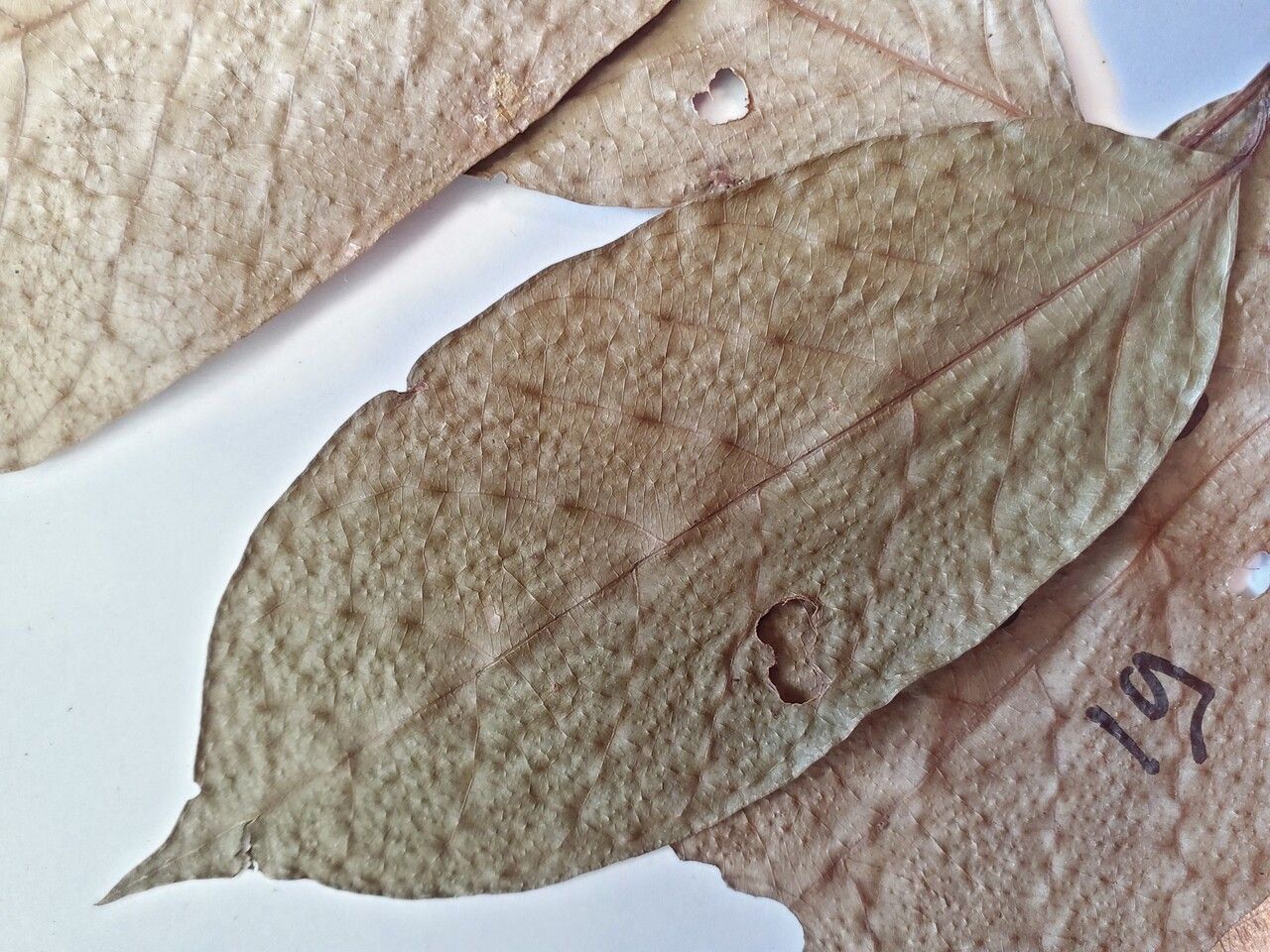
Hello, fellow plant lovers! I’m so excited to dive into a topic close to my heart today: propagating the magnificent Licania robusta, often known as the Brazilian Cherry or Ovary Cherry. This tree is a showstopper with its glossy leaves and, in some regions, its edible fruit. There’s something incredibly satisfying about taking a small piece of a beloved plant and coaxing it into a whole new life. Now, is it a breeze for absolute beginners? I’d say it’s moderately challenging, but with a little patience and a few pointers, you’ll be well on your way to success. Don’t let that deter you; the rewards are well worth the effort!
The Best Time to Start
For Licania robusta, the golden window for propagation is typically during its active growing season. Think late spring through mid-summer. This is when the plant has the most energy to dedicate to root development. You’re looking for stems that are firm but not woody, often referred to as semi-hardwood cuttings. Avoid taking cuttings from new, succulent growth (too soft) or old, tough wood (too difficult to root).
Supplies You’ll Need
Here’s a handy list to get you prepped:
- Sharp Pruning Shears or a Knife: Cleanliness is key! Sterilize them before and after use with rubbing alcohol.
- Rooting Hormone: While not strictly mandatory for every plant, it can significantly boost your success rate with Licania. Look for one with a good concentration of Indole-3-butyric acid (IBA).
- Potting Mix: A well-draining mix is crucial. I like to use a blend of equal parts perlite and peat moss or coco coir. Some growers swear by a mix with a bit of coarse sand included.
- Small Pots or Trays: Ensure they have drainage holes.
- Plastic Bags or a Clear Dome: To create a humid environment.
- Watering Can with a Fine Rose: For gentle watering.
- Heat Mat (Optional but Recommended): This is a game-changer for encouraging root growth from beneath.
Propagation Methods: Stem Cuttings
This is generally the most successful method for Licania robusta.
- Select Your Cuttings: Choose healthy, vigorous stems that are about 6-8 inches long. Look for ones with several sets of leaves.
- Make the Cut: Using your sterilized shears or knife, make a clean cut just below a leaf node (where a leaf attaches to the stem). This is where the magic of rooting often happens.
- Prepare the Cutting: Gently remove the lower leaves, leaving just the top two or three sets of leaves. If the remaining leaves are very large, you can cut them in half horizontally to reduce water loss through transpiration.
- Apply Rooting Hormone: Dip the cut end of the stem into your rooting hormone, ensuring it’s well-coated. Tap off any excess.
- Plant Your Cuttings: Fill your pots or trays with your moistened potting mix. Make a pilot hole with a pencil or your finger, then insert the cutting. Firm the soil gently around the stem to ensure good contact.
- Create Humidity: Water the soil lightly. Then, cover the pot or tray with a clear plastic bag, ensuring it doesn’t touch the leaves, or place it under a clear dome. This traps moisture, creating the humid environment cuttings need.
- Placement: Place the pots in a bright location with indirect light. Avoid direct sun, which can scorch the delicate cuttings. If you’re using a heat mat, place your pots on top of it.
The “Secret Sauce” (Pro Tips)
Here are a couple of tidbits I’ve learned over the years that really make a difference:
- Don’t Drown Your Roots: When you water, water thoroughly but infrequently. The goal is for the soil to be consistently moist, not soggy. Overwatering is a fast track to rot. You’ll know it’s time to water if the top inch of soil feels dry.
- Bottom Heat is Your Friend: Seriously, if you can swing it, a heat mat provides consistent, gentle warmth to the base of your cuttings. This warmth encourages cell activity and root initiation, dramatically improving your success rate, especially with slightly trickier plants like Licania. It mimics the warmth of the soil in a tropical environment.
Aftercare & Troubleshooting
Once you start seeing new leaf growth (usually after several weeks to a couple of months), that’s a fantastic sign that roots are forming! Gradually acclimate your new plants to lower humidity by opening the plastic bag or dome a little each day over a week or two. Continue to keep them in bright, indirect light.
Now, for the tough stuff: troubleshooting. The most common pitfall is rot. If your cutting turns mushy, black, or simply falls over, it’s likely rot. This is usually due to too much moisture and poor air circulation. If you spot early signs, try removing the affected cutting, improving drainage, and letting the soil dry out a bit more between waterings. Sometimes, unfortunately, a cutting just won’t make it, and that’s okay too! It’s part of the learning process. Don’t get discouraged.
A Encouraging Closing
Propagating Licania robusta is a journey. There might be a few setbacks, but with each attempt, you’ll learn more. Celebrate the small victories, like new leaf buds appearing. Be patient, keep those conditions just right, and enjoy the magic of growing a new life from a simple cutting. Happy gardening!
Resource:
https://identify.plantnet.org/k-world-flora/species/Licania%20robusta%20Sagot/data