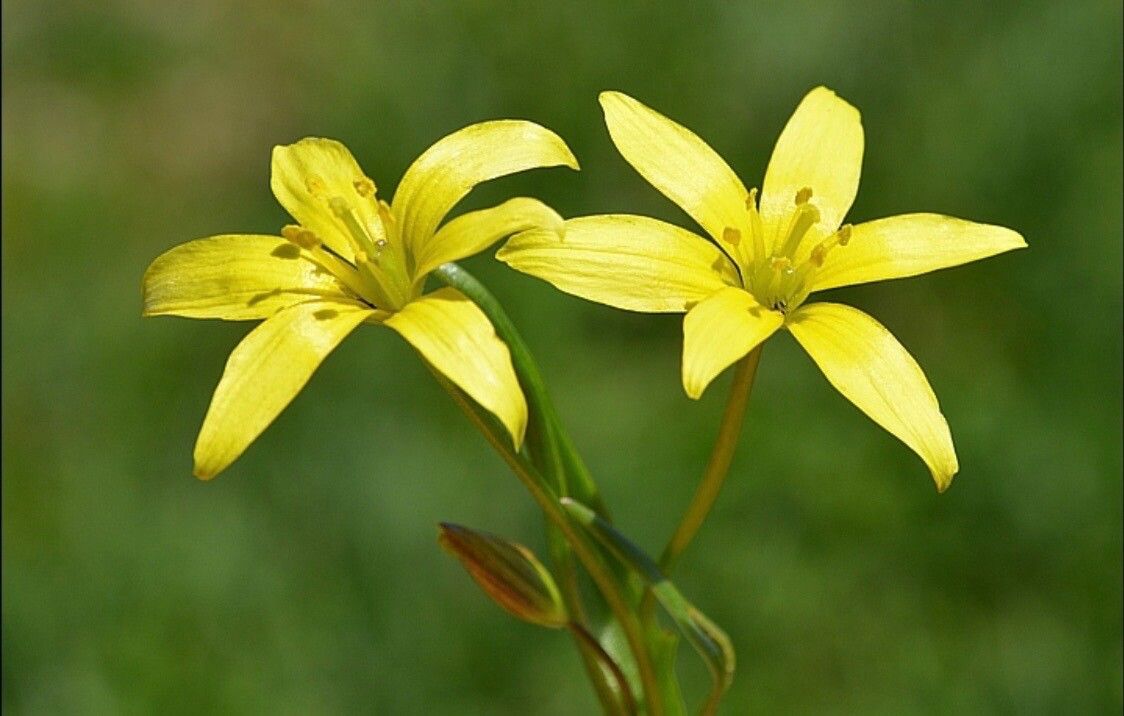
Oh, hello there, fellow plant enthusiast! Today, we’re diving into a little gem that often flies under the radar, but trust me, it’s worth getting to know: Gagea durieui. If you love delicate, star-like blooms and have a soft spot for quirky bulbs, you’ll adore this one. And the best part? It’s actually quite a rewarding plant to propagate. While not as straightforward as, say, a succulent cutting, Gagea durieui is definitely within reach for hobbyists who are willing to pay a little attention to detail. Don’t be intimidated; think of it as a fun new puzzle for your green thumb!
The Best Time to Start
My absolute favorite time to tackle propagating Gagea durieui is right after they’ve finished their bloom and the foliage is starting to yellow and die back. This usually happens in late spring to early summer, depending on your climate. It’s a signal that the bulb is storing energy for its next resting period, and when it’s done blooming, it’s also busy creating those precious little offsets that we’ll be nipping off. Trying to propagate while the plant is actively growing and flowering can stress it out, and we certainly don’t want that.
Supplies You’ll Need
Here’s what you’ll want to have on hand before you get started:
- Sharp, sterile pruning shears or a knife: For clean cuts that minimize disease risk.
- Small trowel or dibber: To gently loosen soil.
- Well-draining potting mix: I like a blend of potting soil with plenty of perlite or horticultural grit. Think cactus and succulent mix, or a good quality bulb mix.
- Small pots or trays: Clean, with drainage holes, of course!
- Optional: Rooting hormone powder: While Gagea durieui often roots readily from bulb offsets, this can give them an extra boost.
- Watering can with a fine rose attachment: Gentle watering is key.
- Labels and a pen: To keep track of what you’ve propagated and when.
Propagation Methods: Division is Key!
For Gagea durieui, the most successful and straightforward method is division of the bulb offsets. These little plantlets form around the parent bulb.
- Gently excavate: Wait until the foliage of your Gagea durieui has died back, as mentioned. Carefully dig around the parent plant with your trowel, loosening the soil. You want to lift the entire bulb cluster out of the ground or pot as gently as possible.
- Identify offsets: Once the bulb cluster is out, you can see the main bulb and around it, several smaller bulbils or offsets. They’ll be attached to the parent bulb.
- Carefully separate: This is where the sharp, sterile tool comes in. Gently twist or cut the offsets away from the main bulb. Try to keep a bit of the parent bulb’s basal plate attached if possible, as this is where roots will emerge. If the offset already has tiny roots, that’s a bonus!
- Allow to “cure” (optional but recommended): If you’ve had to make a clean cut, let the offsets sit in a dry, shaded spot for a day or two to allow the cut surface to callus. This helps prevent rot.
- Pot them up: Fill your small pots with the well-draining potting mix. Make a small hole in the center with your finger or dibber. If you’re using rooting hormone, dip the basal plate of the offset into it. Place the offset in the hole, ensuring the basal plate is at or just below the soil surface. They should be planted at about the same depth they were originally growing.
- Water lightly: Water the newly potted offsets gently. You want the soil to be moist but not soggy.
The “Secret Sauce” (Pro Tips)
Here are a few little tricks I’ve learned over the years that can really help:
- Don’t overwater newly divided bulbs: This is probably the biggest mistake people make! Gagea durieui bulbs need to breathe. Keep the soil lightly moist, not waterlogged. Too much water at this stage can invite rot before they even have a chance to establish.
- Give them a “dormancy” period first: Remember, we’re propagating when the plant is naturally winding down. Don’t try to force growth on the offsets immediately. Let them settle in their new pots in a cool, dryish location for a few weeks before you expect to see much activity. Patience is a gardener’s best friend!
- Consider a tiny bit of bottom heat for younger bulbs: If your offsets are very small, a gentle warming mat set to a low temperature from underneath can encourage root initiation without drying out the surface too quickly. But honestly, for Gagea durieui, this is usually more of a ‘nice-to-have’ than a ‘must-have’.
Aftercare & Troubleshooting
Once your offsets start to show signs of life – a tiny sprout appearing or new leaves unfurling – you can gradually introduce them to more light. They’ll still prefer bright, indirect light. Continue to water sparingly, allowing the soil to dry out slightly between waterings. As they grow stronger, you can transition them to conditions similar to your mature Gagea.
The most common issue you’ll encounter is rot. If an offset turns mushy or black, it’s unfortunately a sign that it’s succumbed. This is usually due to overwatering or insufficient drainage. If you see mold on the soil surface, it’s also a red flag; increase ventilation and reduce watering. Don’t be discouraged if a few don’t make it. It’s all part of the learning process!
Happy Propagating!
So there you have it – a little guide to bringing more of these charming Gagea durieui into your garden. Remember, propagating is a journey, not a race. Be patient with your new little charges, observe them, and enjoy the satisfaction of growing your collection from scratch. Happy gardening, and I can’t wait to hear about your successes!
Resource:
https://identify.plantnet.org/k-world-flora/species/Gagea%20durieui%20Parl./data