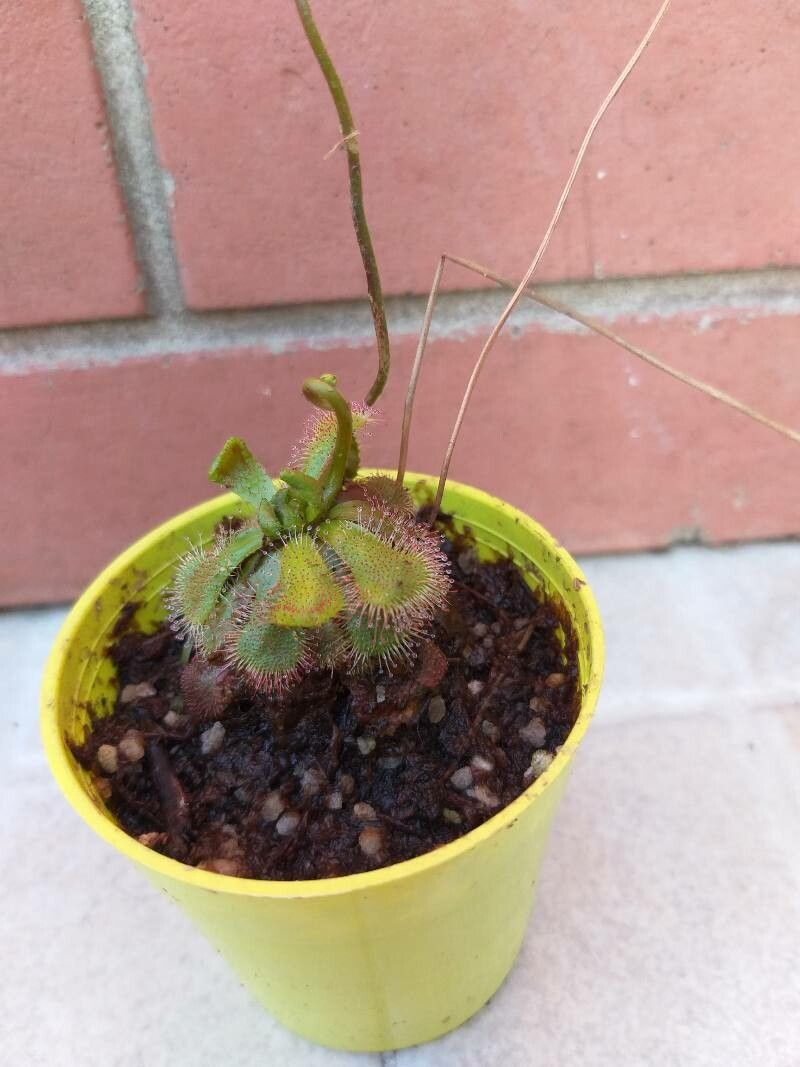
Hey there, fellow plant enthusiasts! It’s so wonderful to have you here today. I want to chat about a truly captivating carnivorous plant: Drosera dielsiana. If you’re looking for a little sparkle and natural pest control in your garden or terrarium, this Sundew might just be your next obsession. And honestly, propagating them is one of those joys that just keeps on giving. Seeing those tiny new plants emerge from a leaf or a stem? Pure magic! As for beginners, I’d say Drosera dielsiana is a pretty friendly one to start with. It’s not overly fussy, which makes the whole propagation journey even more delightful.
The Best Time to Start
When it comes to getting the best bang for your propagation buck, spring is your golden ticket. Everything is waking up, and your Drosera dielsiana is usually bursting with new growth. This active growing phase means it has more energy to put into developing roots and shoots, giving you a much higher success rate. Think of it as starting when the plant is feeling its most robust and ready to share!
Supplies You’ll Need
Here’s what you’ll want to have on hand before you dive in:
- Pure peat moss and perlite mix: A 50/50 ratio is usually spot on for most sundews. Avoid anything with added fertilizers or minerals.
- Distilled water, rainwater, or reverse osmosis (RO) water: This is crucial for carnivorous plants. Tap water can kill them.
- Small pots or trays: Tiny ones are perfect for starting new plants.
- A sharp, clean blade: A razor blade, very sharp scissors, or a hobby knife work wonderfully. Sterilize it with rubbing alcohol between cuttings if you’re propagating multiple plants.
- Tweezers: Handy for placing tiny cuttings or seedlings.
- A spray bottle: For keeping humidity levels up.
- (Optional) Heating mat: Some little plants really appreciate a bit of warmth from below.
Propagation Methods
Drosera dielsiana is quite amenable to a couple of different propagation techniques. I find these two to be the most reliable and rewarding.
Leaf Cuttings
This is my absolute favorite method for sundews like D. dielsiana. It’s like magic happening right before your eyes!
- Select a healthy leaf: Look for a mature, healthy leaf, usually one of the older ones that’s still plump and green.
- Make the cut: Gently pull the leaf upwards away from the main plant. You want to get a tiny bit of the white part of the leaf base where it attaches to the stem. This is where the magic happens! If you just cut the leafy part, it’s less likely to sprout.
- Prepare the substrate: Fill your small tray or pot with your damp peat and perlite mix. It should be moist, but not waterlogged – think of a wrung-out sponge.
- Place the cutting: Lay the leaf cutting on the surface of the soil, leaf side down. The slightly white, fleshy part you hopefully managed to get should be in contact with the soil. You can use a small pebble or a bit of gently packed soil to keep it in place if needed.
- Provide humidity: Cover the tray with a clear lid or a plastic bag to create a mini-greenhouse effect. A light misting with your pure water can help keep things moist.
- Bright, indirect light: Place the tray in a bright spot, but out of direct, harsh sunlight. Too much sun will scorch those tender baby leaves before they even have a chance to grow.
You’ll be amazed as, after a few weeks, you’ll start to see tiny plantlets emerge from the cut edge of the leaf. It’s such a thrill!
Division
This method is best done when your plant is mature and you notice it has started to form clumps or offsets at the base.
- Gently remove from pot: Carefully take your Drosera dielsiana out of its pot.
- Inspect the root ball: Look for distinct sections. You’re looking for areas where the plant has naturally branched or where new plantlets are forming their own root structures.
- Separate with care: Using your clean blade or even just your fingers if the separation is easy, gently pull or cut the plant into smaller sections. Make sure each section has at least a few leaves and a small portion of roots.
- Pot them up: Plant each division into its own small pot filled with your standard peat and perlite mix.
- Water and place: Water them gently with your pure water and place them in a bright, humid spot. They might look a little stressed for a few days, but they should bounce back.
The “Secret Sauce” (Pro Tips)
Here are a couple of things I’ve learned over the years that really make a difference:
- Don’t let the leaves touch the water in trays: If you’re using trays with a water reservoir, which is common for sundews, ensure your leaf cuttings aren’t sitting directly in standing water. They need good air circulation, and prolonged submergence can lead to rot. The soil should just be consistently moist.
- Bottom heat works wonders: For leaf cuttings, placing the tray on a gentle heating mat can significantly speed up root and plantlet formation. It mimics the warmth of spring and gives those tiny beginnings a cozy boost!
- Think tiny with your first watering: When you first pot up divisions or think your leaf cuttings have started to root, water them gently. I often use a fine mist for the first day or two to avoid disturbing any fledgling roots.
Aftercare & Troubleshooting
Once you see those adorable little plantlets popping up, your job isn’t quite done!
- Keep it humid: Continue to maintain high humidity for your new additions. A closed terrarium or a plastic bag over the pot is still your friend.
- Light is key but gentle: They’ll still need bright, indirect light. As they grow, you can slowly introduce them to slightly brighter conditions, but watch for any signs of scorching.
- Watering regime: Keep the soil consistently moist using your special pure water. They should never dry out completely.
- Watch for rot: The most common issue you’ll face is rot. This usually happens if the substrate is too wet and lacks airflow. If you see a leaf cutting turning black and mushy, it’s likely rotted. Remove it immediately to prevent it from spreading. Overwatering is the usual culprit here.
A Encouraging Closing
Propagating Drosera dielsiana is a journey of patience and observation. There might be a few casualties along the way – it happens to all of us! But don’t get discouraged. Each attempt is a learning opportunity. Celebrate every tiny new leaf, every root thread you see. It’s a testament to your care and understanding of these fascinating plants. So go ahead, get your hands a little dirty, and enjoy the rewarding process of bringing new life into your world. Happy growing!
Resource: