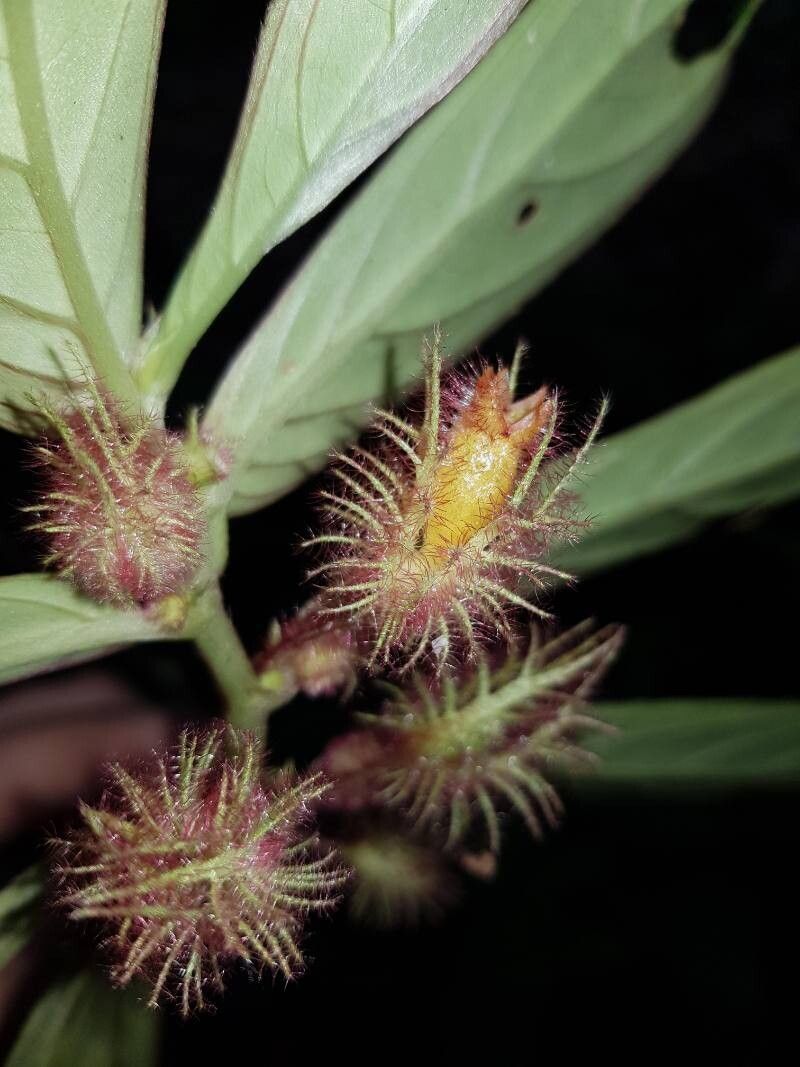
Hello fellow plant lovers! Today, we’re diving into the wonderful world of propagating Columnea segregata, also known as the Orange Cups or Gold Fish Plant. If you’ve ever admired those cascading vines dripping with vibrant orange blooms, you’re in for a treat. Getting more of these beauties for yourself is incredibly satisfying, and honestly, Columnea segregata is quite forgiving and a great candidate for those looking to dip their toes into propagation.
The Best Time to Start
Timing is everything for successful propagation. I find that the sweet spot for taking cuttings of Columnea segregata is during its active growing season, which generally runs from late spring through summer. This is when the plant has plenty of energy reserves to put into growing new roots. You can also have some success in early fall, but growth will be slower. Avoid propagating in the dead of winter when the plant is typically resting.
Supplies You’ll Need
Here’s what you’ll want to have on hand before you begin:
- Sharp Pruning Shears or a Clean Knife: For making clean cuts on your cuttings.
- Rooting Hormone (Optional but Recommended): This helps speed up root development. Look for one formulated for stem cuttings.
- Well-Draining Potting Mix: A good blend is 50% potting soil and 50% perlite or coarse sand. Some growers also like to add a bit of peat moss.
- Small Pots or Propagation Trays: Clean containers to house your new cuttings. Small nursery pots are perfect.
- Clear Plastic Bags or a Propagation Dome: To create a humid environment for your cuttings.
- Watering Can or Spray Bottle: For gentle watering.
- Labeling Stakes or Tape: To keep track of what you’ve propagated and when.
Propagation Methods
Columnea segregata is wonderfully adaptable, making propagation straightforward. Stem cuttings are my go-to method for this plant.
Stem Cuttings:
- Select a Healthy Stem: Look for a vigorous, non-flowering stem that is at least 4-6 inches long.
- Make the Cut: Using your clean shears or knife, make a clean cut just below a leaf node. A leaf node is where a leaf emerges from the stem. This is where the magic happens, as roots are more likely to form there.
- Prepare the Cutting: Gently remove the leaves from the bottom half of the cutting. You want to expose the leaf nodes that will be buried in the soil. Leave a few leaves at the top to help with photosynthesis.
- Apply Rooting Hormone (Optional): Dip the cut end of the stem into rooting hormone, tapping off any excess.
- Plant Your Cuttings: Fill your small pots with the pre-moistened potting mix. Make a small hole in the center with your finger or a pencil. Insert the bottom half of your cutting into the hole, ensuring the leaf nodes are buried. Gently firm the soil around the stem.
- Water Gently: Water thoroughly but be careful not to dislodge the cutting.
- Create Humidity: Cover the pot loosely with a clear plastic bag or place it under a propagation dome. Make sure the leaves don’t touch the plastic if possible, as this can encourage rot. You can use stakes to prop up the bag.
- Place in Bright, Indirect Light: Find a warm spot that receives bright, indirect light. Avoid direct sunlight, which can scorch the delicate cuttings.
The “Secret Sauce”
Here are a couple of my personal tips that have made a big difference for me:
- Don’t Overwater, But Keep it Consistently Moist: This is crucial! Your cuttings need moisture to root, but soggy soil is an invitation for rot. Aim for the soil to feel like a wrung-out sponge – moist but not dripping. I like to gently mist the leaves and soil surface daily if using a bag, or just check the soil moisture every few days.
- Bottom Heat is Your Friend: If you have a bit of space and want to speed things up, a seedling heat mat placed under your pots can be a game changer. Warmer soil encourages root development much faster. I find that Columnea cuttings root much more reliably with a little warmth from below.
Aftercare & Troubleshooting
Once you start seeing signs of new growth – tiny leaves unfurling or resistance when you gently tug on the stem – you know roots are forming!
- Acclimatize Slowly: Once roots have established, gradually begin to remove the plastic bag or propagation dome for short periods each day, slowly increasing the duration over a week or two. This helps the new plant adjust to the normal humidity levels.
- Watering: Continue to water when the top inch of soil feels dry. Avoid letting the pot sit in water.
- Fertilizing: Once the plant is actively growing and has been transplanted into a slightly larger pot, you can introduce a diluted liquid fertilizer (about half strength) every 4-6 weeks during the growing season.
Troubleshooting:
- Wilting: This can happen if the cutting is too dry, but also if it’s sitting in waterlogged soil. Check your moisture levels!
- Rot: If the stem turns black and mushy at the soil line, it’s likely rot. This is usually due to too much moisture and poor air circulation. Unfortunately, a rotted cutting is usually a lost cause, but don’t despair! Just start again with fresh cuttings.
- No Rooting: Be patient! Some plants take longer than others. If after 6-8 weeks you see no signs of life, the cutting may not have rooted. You can gently inspect the stem base or simply try again.
A Encouraging Closing
Propagating plants is all about patience and observation. Don’t get discouraged if your first attempt isn’t perfect. Each cutting you take, each new plant you grow, is a step on your journey as a gardener. Enjoy the process of watching these little bits of life take hold, and soon you’ll have a whole cascade of Orange Cups to share or enjoy yourself! Happy propagating!
Resource:
https://identify.plantnet.org/k-world-flora/species/Columnea%20segregata%20B.D.Morley/data