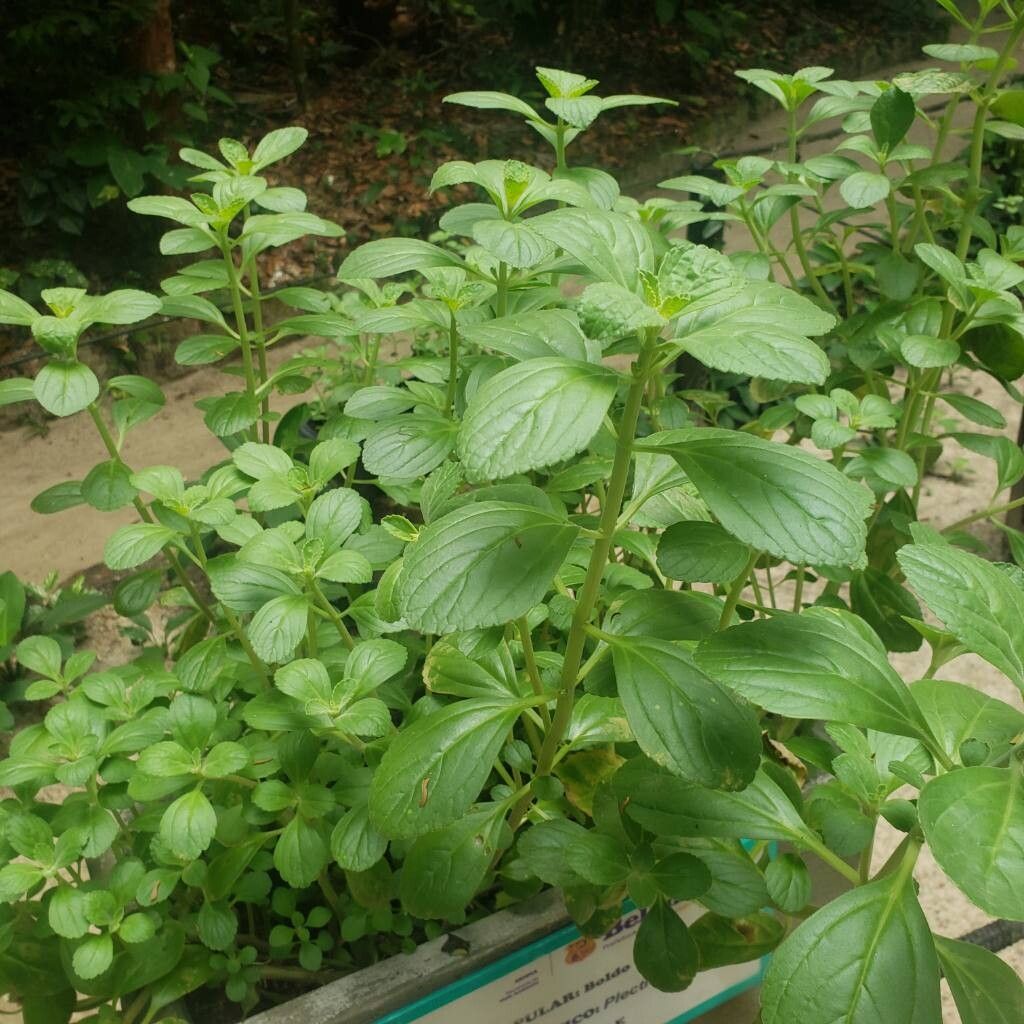
Hello, fellow plant lovers! I’m so excited to chat with you today about one of my absolute favorite, most rewarding plants to propagate: Coleus comosus. Also known affectionately as the “Pincushion plant” or “Sunkist Coleus,” this beauty is a riot of vibrant, fuzzy foliage. Its velvety leaves, often tinged with pinks, oranges, and greens, add instant charm to any garden or indoor space.
The wonderful thing about Coleus comosus is that it’s incredibly generous. It readily produces new growth, making it a fantastic candidate for propagation. In my experience, even absolute beginners will find this plant a delight to multiply. You’ll be sharing little bits of sunshine with friends in no time!
When Your Pincushion is Ready to Share
The absolute best time to take cuttings from your Coleus comosus is during its active growing season. This typically means from late spring through summer. You’re looking for healthy, non-flowering shoots. If your plant is indoors, you can propagate year-round, but spring and summer still offer the fastest results as the plant naturally has more energy for growth.
Gathering Your Propagation Toolkit
Don’t worry, you likely have most of these items already! Here’s what I like to have on hand:
- Sharp Pruning Shears or Scissors: Clean cuts are essential for healthy healing and rooting.
- Small Pots or Containers: 3-4 inch pots are perfect for starting cuttings. Make sure they have drainage holes!
- Well-Draining Potting Mix: I love a mix of equal parts potting soil, perlite, and coco coir. This ensures good aeration and prevents waterlogging.
- Rooting Hormone (Optional but Recommended): This is a powder or gel that encourages faster and stronger root development.
- Watering Can or Spray Bottle: Gentle watering is key.
- Plastic Bag or Humidity Dome: To create a mini-greenhouse effect.
- Patience! This is the most important tool.
Bringing New Pincushions to Life: My Favorite Methods
Coleus comosus is wonderfully versatile, and I’ve had success with a couple of straightforward methods.
Method 1: Stem Cuttings in Soil
This is my go-to method, and it’s super reliable.
- Select a Healthy Stem: Look for a vibrant, non-woody stem that’s at least 3-4 inches long. You want to avoid stems that are flowering.
- Make the Cut: Using your clean pruning shears, make a clean cut just below a leaf node (the little bump where a leaf grows from the stem). This is where roots are most likely to form.
- Strip the Lower Leaves: Gently remove the leaves from the bottom half of your cutting. You want to expose at least two leaf nodes.
- Dip in Rooting Hormone (Optional): If you’re using rooting hormone, lightly dip the cut end into the powder or gel. Tap off any excess.
- Plant the Cutting: Fill your small pot with your prepared potting mix. Make a hole with your finger or a pencil, and gently insert the cut end of the stem. Firm the soil gently around the base.
- Water Thoroughly: Water the pot until you see water draining from the bottom.
- Create a Humid Microclimate: You can place a plastic bag loosely over the pot, supported by stakes, or use a clear plastic lid. This helps retain moisture, which is crucial for cuttings.
- Find a Bright, Indirect Spot: Place your potted cuttings in a location that receives bright, indirect light. Avoid direct sun, as it can scorch the delicate cuttings.
Method 2: Water Propagation (A Fun Visual!)
This method lets you watch the roots grow, which is always a treat!
- Prepare Your Cutting: Follow steps 1-3 from the stem cutting method.
- Place in Water: Fill a clean glass or jar with room temperature water. Place your cuttings into the water, ensuring that the leaf nodes you stripped are submerged, but don’t let the leaves themselves sit in the water. Over time, this can cause them to rot.
- Change the Water Regularly: Every few days, change the water completely to keep it fresh and prevent bacterial growth.
- Locate the Perfect Spot: Just like with soil cuttings, place your jar in a bright spot with indirect light.
The “Secret Sauce” from My Garden to Yours
After years of playing with plants, I’ve picked up a few tricks that seem to make all the difference.
- Don’t Be Afraid to Pinch Back: Once your cuttings have rooted and you see new growth, pinch off the very tip of the main stem. This encourages the plant to branch out, resulting in a bushier, more attractive plant. It might feel counterintuitive, but trust me on this!
- Bottom Heat is Your Friend: If you find your cuttings are taking a while to root, try placing the pots on a seedling heat mat. The gentle warmth from below stimulates root development significantly, especially in cooler indoor environments. It’s like a little spa treatment for your cuttings!
- Observe, Observe, Observe: This is the biggest secret. Spend a few minutes each day looking at your cuttings. Are they wilting? Are the leaves yellowing? Are you seeing any signs of mold? Catching little issues early is key to preventing bigger problems.
Nursing Your New Green Babies
Once your cuttings have developed a good root system (you’ll see roots poking out of the drainage holes or when you gently tug on the cutting in water), it’s time for them to graduate!
- For Soil Cuttings: If you used the plastic bag method, gradually introduce them to drier air by opening the bag a little more each day for a week before removing it completely. Continue to water when the top inch of soil feels dry.
- For Water Cuttings: When roots are about an inch or two long, it’s time to pot them up into your well-draining potting mix. Be very gentle with those new roots! Water them in well and treat them as you would a newly potted plant.
Troubleshooting: The most common issue you might encounter is rot, which usually happens due to too much moisture and poor airflow. If you see mushy stems or leaves turning black and falling off, it’s a sign of overwatering or lack of drainage. On the other hand, if your cuttings are wilting and drying out, they aren’t getting enough moisture – and your humidity dome is probably too airy, or you need to water more frequently.
Go Forth and Propagate!
There you have it! Propagating Coleus comosus is a truly rewarding experience. It’s a chance to learn, to grow, and to fill your home and garden with even more of this fantastic plant. Don’t be discouraged if your first few attempts aren’t perfect. Every gardener learns by doing, and with a little patience and these tips, you’ll be well on your way to a jungle of Pincushion plants. Happy propagating!
Resource:
https://identify.plantnet.org/k-world-flora/species/Coleus%20comosus%20Hochst.%20ex%20Gürke/data