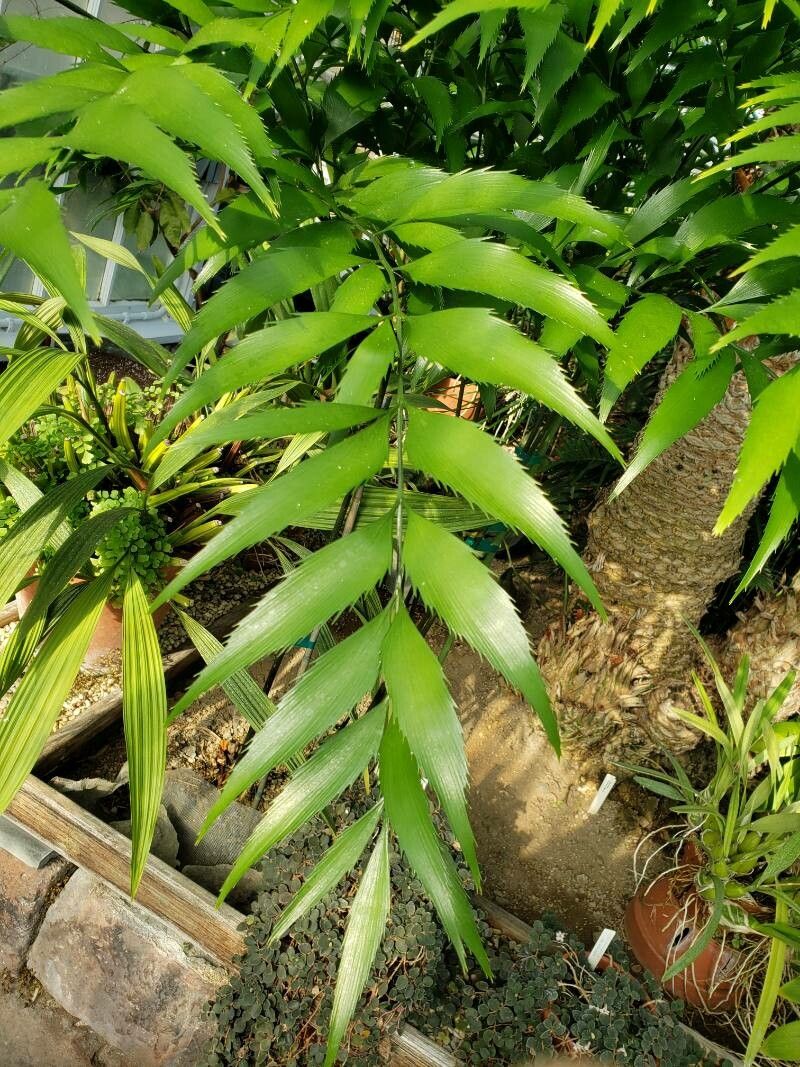
Hello, fellow plant lovers! Today, we’re diving into the wonderful world of Bowenia serrulata, a truly captivating cycad that brings a touch of prehistoric elegance to any space. Its frilly, fern-like foliage is simply stunning, and the thought of nurturing a new little one from an existing beauty? Immensely satisfying. Now, I won’t lie to you; Bowenia serrulata can be a bit of a divaespecially for absolute beginners. But with a little care and understanding, it’s a project you can absolutely conquer. Let’s get your hands dirty!
The Best Time to Start
For Bowenia serrulata, your best bet is to start in the spring or early summer. This is when the plant is actively growing and has the most energy to put into developing new roots. You’ll often see new shoots emerging during this time, which is a great indicator that it’s ready to be coaxed into making more babies.
Supplies You’ll Need
Here’s what you’ll want to gather before we begin:
- Healthy Mother Plant: Choose a robust, well-established Bowenia serrulata.
- Sharp, Sterile Pruning Shears or Knife: Cleanliness is key to preventing disease. A quick wipe with rubbing alcohol will do the trick.
- Well-Draining Potting Mix: I like to use a 50/50 blend of perlite and a good quality potting soil, or even better, a mix specifically designed for cycads and palms.
- Small Pots or Propagation Trays: Make sure they have drainage holes!
- Rooting Hormone (Optional but Recommended): A powder or gel can give your cuttings a helpful boost.
- Plastic Bag or Propagator Lid: To create a humid environment.
- Watering Can or Mister: Gentle watering is crucial.
- Bottom Heat Source (Optional): A small heat mat can significantly speed up root development.
Propagation Methods: Division is Key!
While some plants are happy with stem cuttings, Bowenia serrulata is best propagated through division. This species tends to form multiple growth points or “pups” around its base.
- Gently Excavate: Carefully remove your Bowenia from its current pot. If it’s in the ground, you’ll need to carefully dig around its base. Try to disturb the roots as little as possible.
- Identify the Divisions: Look for smaller, independent growth points emerging from the main corm (the swollen underground stem). These are your potential new plants. They’ll usually have their own small leaves.
- Separate with Care: Using your sharp, sterile knife or pruning shears, carefully cut away a division from the mother plant. Aim to get a section that includes some of its own roots. If it doesn’t have many roots yet, don’t fret too much; the goal is to get a viable piece of the corm.
- Clean Up: If there’s any damaged tissue, trim it away.
- Apply Rooting Hormone (Optional): Lightly dust the cut surface of the division with rooting hormone. This isn’t strictly necessary, but it can help encourage faster root growth.
- Potting Up: Fill your new small pots with your well-draining potting mix. Make a small indentation in the center and place your Bowenia division in it, ensuring the corm is just at or slightly below the soil surface.
- Initial Water: Water gently but thoroughly, allowing excess water to drain away.
- Create Humidity: Place the potted division inside a clear plastic bag or cover it with a propagator lid. This will trap moisture and create a humid microclimate, which is essential for the plant to establish.
The “Secret Sauce” (Pro Tips)
Here are a couple of things I’ve learned over the years that really make a difference with these beauties:
- Don’t Overwater! This is probably the single biggest mistake people make. Bowenia corms are prone to rot if they stay too wet. Let the potting mix dry out slightly between waterings. You want it moist, not soggy.
- Bottom Heat is Your Friend: If you have a heat mat, place your potted divisions on it. This gentle warmth from below encourages root development without drying out the top of the soil too quickly. It can really speed things up!
- Patience is a Virtue: Bowenia serrulata isn’t the fastest propagator. It can take several weeks, sometimes even months, for you to see significant root development. Resist the urge to constantly check or disturb them.
Aftercare & Troubleshooting
Once your new Bowenia division shows signs of new growth (a tiny leaf unfurling is a great sign!), you can gradually acclimate it to normal room humidity. Start by opening the plastic bag for a few hours each day, eventually removing it altogether. Continue to water sparingly, allowing the soil to dry out between sessions.
The most common sign of failure you’ll encounter is rot. If your division starts to look mushy or black and unhealthy, it’s likely due to too much moisture. Unfortunately, if the corm is rotting, it’s often too far gone. In this case, pulling it out of the soil and trimming away all the rotten parts, then letting it dry out thoroughly before repotting in fresh, dry mix might be a last resort, but success is unlikely at that point.
A Encouraging Closing
See? It’s not rocket science, though it does feel a bit like coaxing life from ancient treasures, doesn’t it? Remember, propagation is a journey. Some attempts might not work out, and that’s perfectly okay. The most important thing is to enjoy the process, learn from your experiences, and celebrate those little victories—like the first unfurling leaf of your brand-new Bowenia serrulata. Happy growing!
Resource:
https://identify.plantnet.org/k-world-flora/species/Bowenia%20serrulata%20(W.Bull)%20Chamb./data