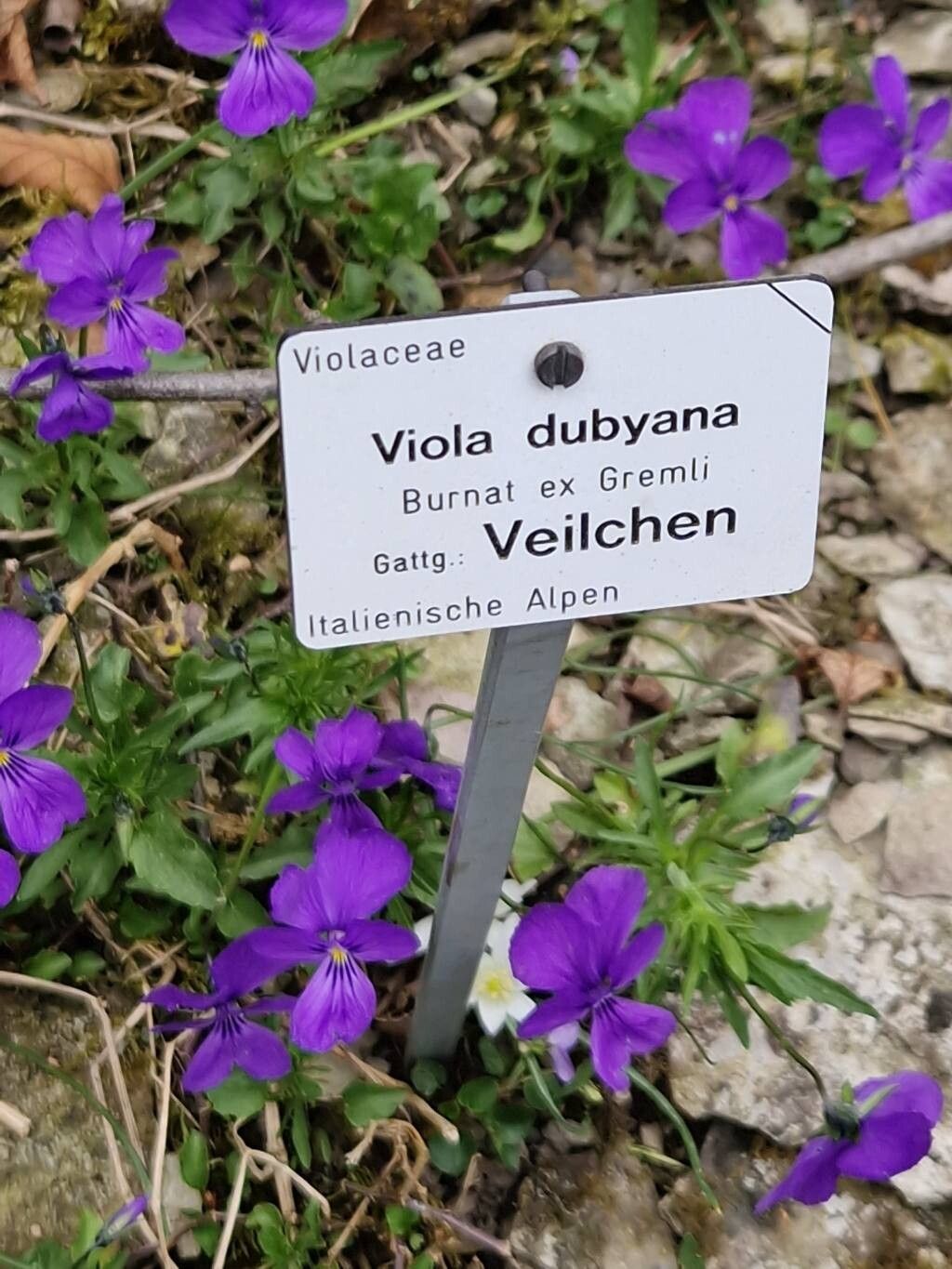
Oh, hello there! It’s wonderful to have you join me for a chat about one of my favorite little treasures: Viola dubyana. If you’re anything like me, you’re probably drawn to its delicate charm and the way it seems to brighten even the shadiest corners. These violets are just delightful, with their lovely foliage and sweet little blooms. What I find so rewarding about propagating them is that you get to share that beauty around, whether it’s to fill up your own garden beds or to gift a bit of green joy to friends. Now, are they a walk in the park for a complete beginner? I’d say they’re pretty forgiving, especially with a little gentle guidance.
The Best Time to Start
For my violets, I find the most success when I get my hands dirty in late spring or early summer. That’s when the plant is really putting on its growth spurt, and the cuttings or divisions are nice and vigorous. You can also have a go in early autumn, but you might find the new plantlets take a bit longer to establish before winter sets in.
Supplies You’ll Need
Here’s what I usually gather before I begin:
- A clean, sharp pair of pruning shears or a small knife.
- A well-draining potting mix. I love a blend of good quality potting soil with some perlite for aeration. A bit of coco coir works well too.
- Small pots or trays with drainage holes. Even old yogurt cups with holes poked in the bottom will work in a pinch!
- A spray bottle filled with water.
- Optional: Rooting hormone (the powder or gel type). I don’t always use it, but it can give things a little boost.
Propagation Methods
Viola dubyana is quite adaptable, but here are a couple of my go-to methods:
Stem Cuttings: A Tried and True Approach
This is my favorite way to get more violets from a healthy parent plant.
- Take the Cuttings: Look for healthy, non-flowering stems. Using your clean shears, snip a stem just below a leaf node (that’s where the leaf joins the stem). Aim for cuttings that are about 3-4 inches long.
- Prepare the Cuttings: Gently remove the lower leaves from the cutting, leaving just a couple at the top. If the cutting has any flower buds, pinch those off too. This encourages the plant to focus its energy on rooting, not flowering.
- Rooting Hormone (Optional): Dip the cut end of the stem into your rooting hormone, tapping off any excess.
- Plant the Cuttings: Fill your small pots with your prepared potting mix. Make a little hole with your finger or a pencil and insert the cutting, ensuring the lowest leaf node is buried in the soil. Gently firm the soil around it.
- Water and Cover: Water your cuttings gently so the soil is moist but not waterlogged. You can then cover the pot with a clear plastic bag or lid to create a mini-greenhouse effect. This helps keep the humidity high, which is crucial for cuttings.
Division: When the Plant Gets Bushy
If your Viola dubyana has become a lovely clump, dividing it is a fantastic way to get more plants.
- Gently Remove from Pot: Carefully ease the entire plant out of its pot.
- Clean the Roots: Gently shake off excess soil from the root ball. This allows you to see the natural divisions.
- Separate the Divisions: Using your fingers or a clean knife, carefully pull or cut the root ball apart into smaller sections. Each section should have healthy roots and some foliage.
- Pot Up: Plant each division into its own pot filled with your potting mix, just as you would a larger plant. Water them in well.
The “Secret Sauce” (Pro Tips)
Here are a few little tricks I’ve learned over the years that seem to make a big difference:
- Don’t let the leaves touch the water! This is especially true for water propagation (which is a bit trickier for Viola dubyana than cuttings, but doable). If leaves sit in water, they tend to rot. If you’re misting cuttings, aim for the soil and the leaves, but don’t let excess water pool.
- Bottom heat can be a game-changer. If you have a heat mat, placing your pots of cuttings on it can really speed up root formation. It mimics the warmth of summer soil.
- Patience is more than a virtue, it’s a technique! Don’t be tempted to yank on your cuttings to see if they have roots. It’s best to wait and peek.
Aftercare & Troubleshooting
Once your cuttings have roots (you can test gently by giving them a tiny tug – if there’s resistance, they’re rooting!) or you’ve potted up your divisions, that’s when the real nurturing begins.
Keep the soil consistently moist but never soggy. That fine balance is key. If you’ve used the plastic bag greenhouse method, start gradually acclimatizing your new plants to the outside air by opening the bag a little more each day over a week. Once they’re looking sturdy and growing new leaves, they’re ready for their own sunny (or partly shady, depending on your variety) spot.
What are the signs things aren’t going quite right? Wilting can mean not enough water, or too much heat. Yellowing leaves can indicate too much or too little water, or nutrient issues. But the most common culprit for cuttings failure is rot. If your cutting turns mushy and black, it’s usually a sign of being too wet or too cold. Just discard it and try again!
A Little Encouragement to Finish
Propagating plants is such a beautiful way to connect with nature’s rhythm. It teaches you to observe, to be patient, and to celebrate small victories. So, dive in, get your hands dirty, and don’t be discouraged if your first few attempts aren’t perfect. Each one is a learning experience, and soon you’ll have a lovely collection of Viola dubyana to call your own. Happy propagating!
Resource:
https://identify.plantnet.org/k-world-flora/species/Viola%20dubyana%20Burnat%20ex%20Gremli/data