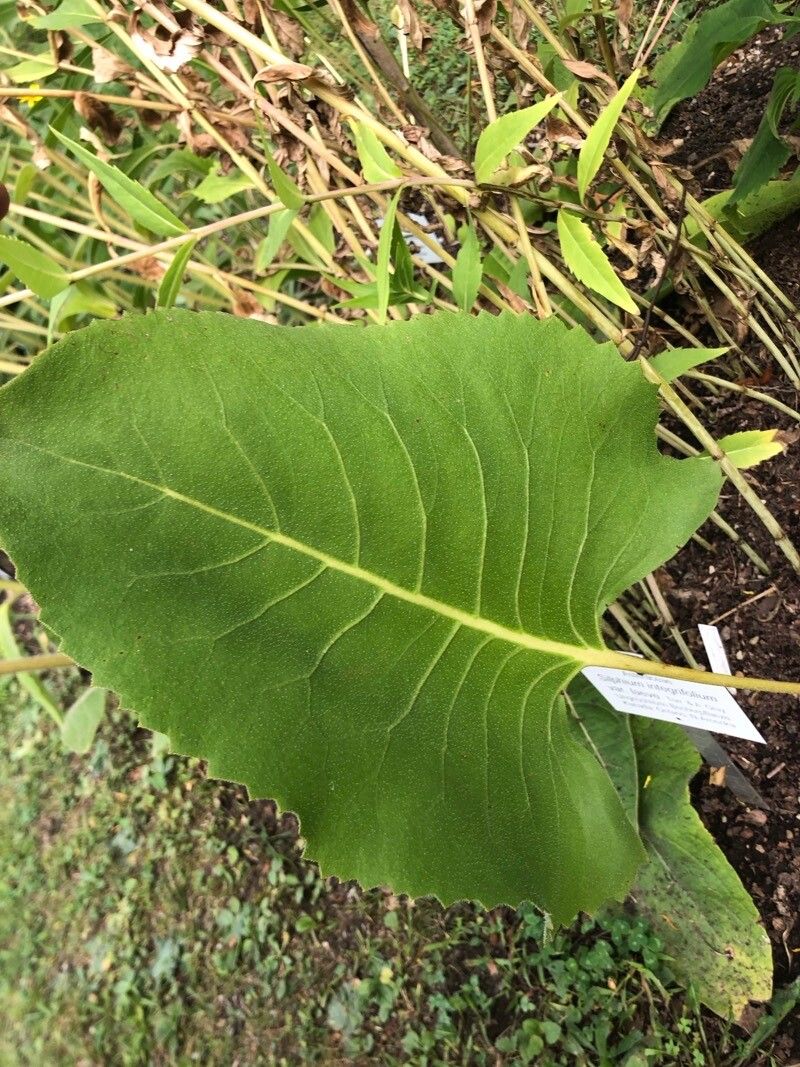
Oh, hello there! Grab a mug of your favorite beverage, pull up a chair, and let’s chat about a truly magnificent plant: Silphium terebinthinaceum, also known as Prairie Dock. If you’re looking for a native perennial that’s as resilient as it is beautiful, you’ve found a winner. Its large, heart-shaped leaves create a dramatic architectural statement in the garden, and the tall, cheerful yellow flowers that appear in late summer are just a bonus.
Propagating Prairie Dock myself has always been a little thrill. It feels like unlocking a secret, a way to share this stunning plant’s magic with my whole neighborhood. Now, to be perfectly honest, Silphium terebinthinaceum isn’t the absolute easiest plant for a complete novice to propagate from seed, but don’t let that deter you! With a little know-how and patience, you can absolutely succeed. We’ll focus today on a couple of wonderful methods that give you a really good shot at bringing more of this prairie gem into your world.
The Best Time to Start
For Silphium terebinthinaceum, timing is key. My personal preference, and what I’ve found yields the highest success rates, is early spring. This is usually after the last hard frost has passed but before the plant really kicks into high gear for vigorous growth. You can also propagate by division in the fall, once the plant has finished flowering and is starting to go dormant. Spring offers that lovely window where the plant is waking up and eager to put on new growth – perfect for coaxing it to establish new roots.
Supplies You’ll Need
Let’s get our toolkit ready so we’re not scrambling mid-propagation. Here’s what I always have on hand:
- Sharp Pruning Shears or a Knife: For clean cuts that heal quickly.
- Well-Draining Potting Mix: A blend of peat moss, perlite, and a little bit of compost works wonders. You can also use a commercial “seed starting mix” or “cactus and succulent mix.”
- Small Pots or Trays: Terracotta pots are lovely because they breathe, but plastic works just fine too. Make sure they have drainage holes!
- Watering Can with a Fine Rose: For gentle watering.
- Optional: Rooting Hormone: While Silphium can often root without it, a little dip can give cuttings a helpful boost. I prefer the powder form.
- Optional: Clear Plastic Bags or Domes: To create a humid environment for cuttings.
- Labels: Trust me, you’ll thank yourself later!
Propagation Methods
Prairie Dock is best propagated through division or from freshly collected seeds. Let’s dive into these:
Division – My Go-To Method
This is often the most straightforward way to get new plants. Silphium terebinthinaceum forms substantial clumps over time, and these can be gently divided.
- Timing is Everything: As mentioned, early spring is ideal, just as new growth is emerging, or fall after flowering.
- Careful Excavation: Gently dig around the base of your established plant, aiming to lift the entire root ball. Try not to disturb the roots too much.
- Inspect and Divide: Once out of the ground, you’ll see how the plant has grown. Look for natural divisions – points where there are separate crowns or healthy roots that can be gently pulled or carefully cut apart. You want each new section to have at least one strong root and a viable growing point (a bud or emergent shoot).
- Replant Immediately: Pot up your new divisions into your prepared potting mix. Make sure they are planted at the same depth they were previously growing. Water them in gently but thoroughly.
From Seed – A Rewarding Challenge
Silphium terebinthinaceum seeds need a period of cold stratification to germinate properly. Think of it as mimicking a winter.
- Collect Seeds: Harvest seeds in late summer or fall when the flower heads have dried and the seeds are mature. They’ll often be a light brown color.
- Stratification: Mix the seeds with a lightly moistened medium like vermiculite or sand in a sealed plastic bag or container. Store this in the refrigerator for 90-120 days. Check occasionally to ensure the medium stays lightly moist.
- Sowing: After stratification, sow the seeds thinly on the surface of your well-draining potting mix in flats or pots. Lightly cover them with about ¼ inch of mix.
- Germination: Keep the soil consistently moist but not waterlogged. Place the pots in a warm spot (around 70°F/21°C) with good light. Germination can be erratic and may take several weeks or even months. Be patient!
The “Secret Sauce” (Pro Tips)
Here are a few little tricks I’ve learned over the years that really make a difference:
- For Divisions, Let Them Breathe: Once you’ve divided your plant, don’t rush to pot them up into soggy soil. Let the cut surfaces on the divisions air dry for a few hours before replanting. This helps them callus over and reduces the risk of rot.
- Don’t Overwater Young Plants: This is a big one for all young plants, but especially for natives accustomed to drier conditions. Water thoroughly when the top inch of soil feels dry, but then let it dry out a bit. Soggy feet are the quickest way to a failed propagation.
- Patience with Seedlings is Paramount: Silphium seedlings are slow growers initially. They might look small and insignificant for a while. Resist the urge to over-fertilize or fuss too much. Let them establish their root systems. They are tough plants with a long-term game plan!
Aftercare & Troubleshooting
Once your divisions are planted or your seeds have sprouted, treat them like precious little babies – but not too precious!
- Watering: Keep the soil consistently moist but not soggy for new divisions and seedlings. As they establish, you can gradually reduce watering frequency, allowing the soil to dry out slightly between waterings, mimicking their prairie habitat.
- Light: Provide bright, indirect light for cuttings and seedlings. Once they have more developed leaves, they can handle more direct sun, but acclimate them gradually to prevent scorching.
- Transplanting: When your seedlings are large enough to handle (usually when they have a few sets of true leaves) and your divided sections are showing good new growth, you can transplant them into their permanent garden spots or larger pots.
- Troubleshooting: The most common issue you’ll face is rot, usually caused by overwatering or poor drainage. If you see stems turning mushy or leaves yellowing and dropping rapidly, it’s often a sign of too much moisture. Always ensure good air circulation and don’t let them sit in water. If seeds don’t sprout, it could be that they didn’t receive enough cold stratification or the conditions weren’t quite right for germination.
A Encouraging Closing
Watching a new plant emerge from a simple division or a tiny seed is one of gardening’s greatest joys. Propagating Silphium terebinthinaceum might take a bit of planning and some careful observation, but the reward of seeing these magnificent plants flourish in your garden – and sharing them with friends – is absolutely worth it. So, gather your supplies, embrace the process, and happy gardening! You’ve got this.
Resource:
https://identify.plantnet.org/k-world-flora/species/Silphium%20terebinthinaceum%20Jacq./data