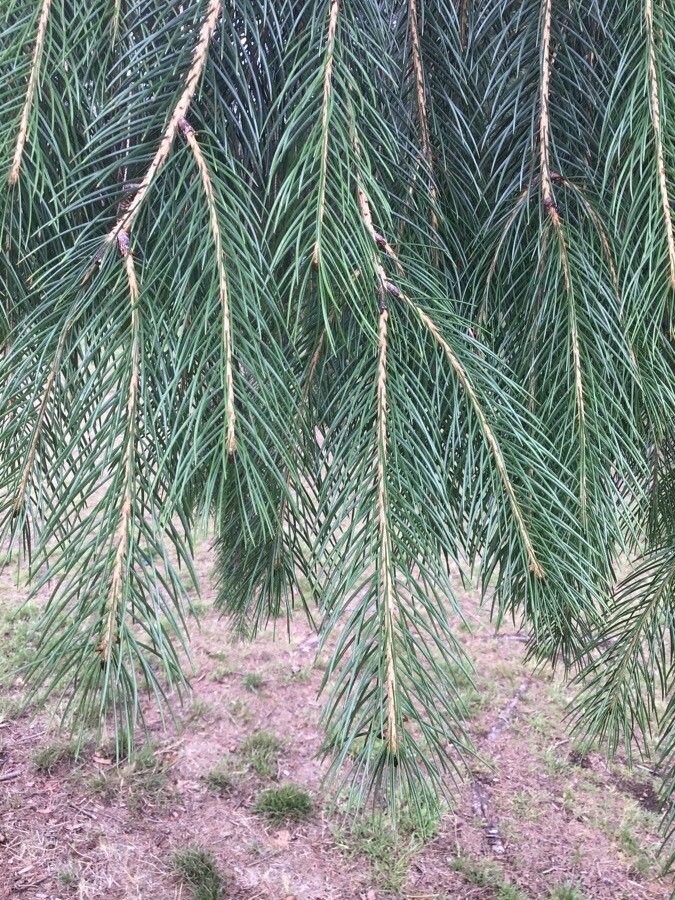
Hello, fellow plant enthusiasts! You know, there’s something truly special about Picea smithiana, the West Himalayan Spruce. Its graceful, weeping branches and vibrant green needles bring such a unique elegance to any landscape. For me, growing these beauties from scratch is one of those deeply satisfying gardening projects. It’s like coaxing a tiny piece of that grandeur into existence right in your own hands. Now, if you’re a complete beginner, I’ll be honest, Picea smithiana can be a bit of a patient endeavor. It’s not a “set it and forget it” kind of plant when propagating, but with a little care and attention, it’s absolutely achievable and incredibly rewarding.
The Best Time to Start
For the best chance of success, I always recommend propagating Picea smithiana from stem cuttings in late spring or early summer. This is when the plant is actively growing, and the new shoots are slightly soft but have started to mature a bit. This “semi-hardwood” stage is ideal for rooting.
Supplies You’ll Need
Before we get our hands dirty, let’s gather our tools:
- Sharp, clean pruning shears or a sharp knife: For making clean cuts.
- Rooting hormone (powder or gel): This is a helpful booster to encourage root development.
- Well-draining potting mix: I like a blend of 50% perlite or coarse sand and 50% peat moss or coco coir. It needs to let water drain quickly.
- Small pots or trays: With drainage holes, of course!
- Plastic bags or a propagation dome: To create a humid environment.
- Water mister: For keeping the cuttings hydrated.
- Optional: Heating mat: To provide gentle warmth from below.
Propagation Methods
The most reliable way I’ve found to propagate Picea smithiana at home is through stem cuttings.
- Select Your Cuttings: Look for healthy, current-year growth. You want pieces that are about 4-6 inches long and have developed a bit of woody stiffness, but aren’t completely hard. Pinch off any lower needles that would be below the soil line.
- Prepare the Cuttings: Using your clean shears or knife, make a clean cut just below a node (where leaves attach to the stem).
- Dip in Rooting Hormone: Lightly moisten the cut end of the stem and then dip it into the rooting hormone, tapping off any excess. This helps protect the wound and encourages root growth.
- Plant the Cuttings: Fill your pots with your well-draining mix. Make a small hole in the center with a pencil or your finger, and carefully insert the cutting. Gently firm the soil around the base of the cutting to ensure good contact.
- Water Gently: Water the soil thoroughly but gently. You don’t want to disturb the cuttings.
- Create a Humid Environment: Cover the pot with a clear plastic bag, securing it around the rim with a rubber band, or place it under a propagation dome. This traps moisture, which is crucial for the cuttings to root before they dry out. Position the pot in a bright spot that receives indirect sunlight.
The “Secret Sauce” (Pro Tips)
Here are a couple of things I’ve learned over the years that make a big difference:
- Don’t Rush the Pruning: When taking your cuttings, make sure the stem is semi-hardwood. If it’s too green and soft, it’s prone to rot. If it’s too old and stiff, it will be much harder to root. That late spring/early summer window is key for this sweet spot.
- Bottom Heat is Your Friend: Conifers, especially, often appreciate a little gentle warmth from below. If you have a heating mat, placing your pots on it can significantly speed up root formation. It mimics the conditions of roots developing in warm soil.
- Airflow is Vital: While humidity is important, stagnant air can lead to fungal problems. If you’re using a plastic bag, lift it daily for a few minutes to allow for air exchange. This prevents disease and helps the cuttings toughen up.
Aftercare & Troubleshooting
Once your cuttings have been planted, the waiting game begins! Keep the soil consistently moist but never waterlogged. Mist the leaves occasionally if you can, especially if you notice them looking dry.
You’ll know your Picea smithiana cuttings are rooting when you feel a slight resistance when you gently tug on them. This can take anywhere from 4 weeks to several months.
The most common issue I see is rot. If a cutting turns black and mushy at the base, or the needles start to yellow and drop significantly, it’s likely rot. This usually means there’s too much moisture and not enough airflow. Unfortunately, at that point, the cutting is usually lost. If you see the beginnings of rot, try to improve ventilation and reduce watering.
A Encouraging Closing
Propagating Picea smithiana is a journey that requires a bit of patience, but seeing those tiny roots develop and eventually grow into a young spruce is incredibly rewarding. Don’t be discouraged if your first attempt isn’t perfect. Every gardener learns from every plant. So, grab your shears, find a healthy branch, and enjoy the process of bringing a new West Himalayan Spruce to life! Happy gardening!
Resource:
https://identify.plantnet.org/k-world-flora/species/Picea%20smithiana%20(Wall.)%20Boiss./data