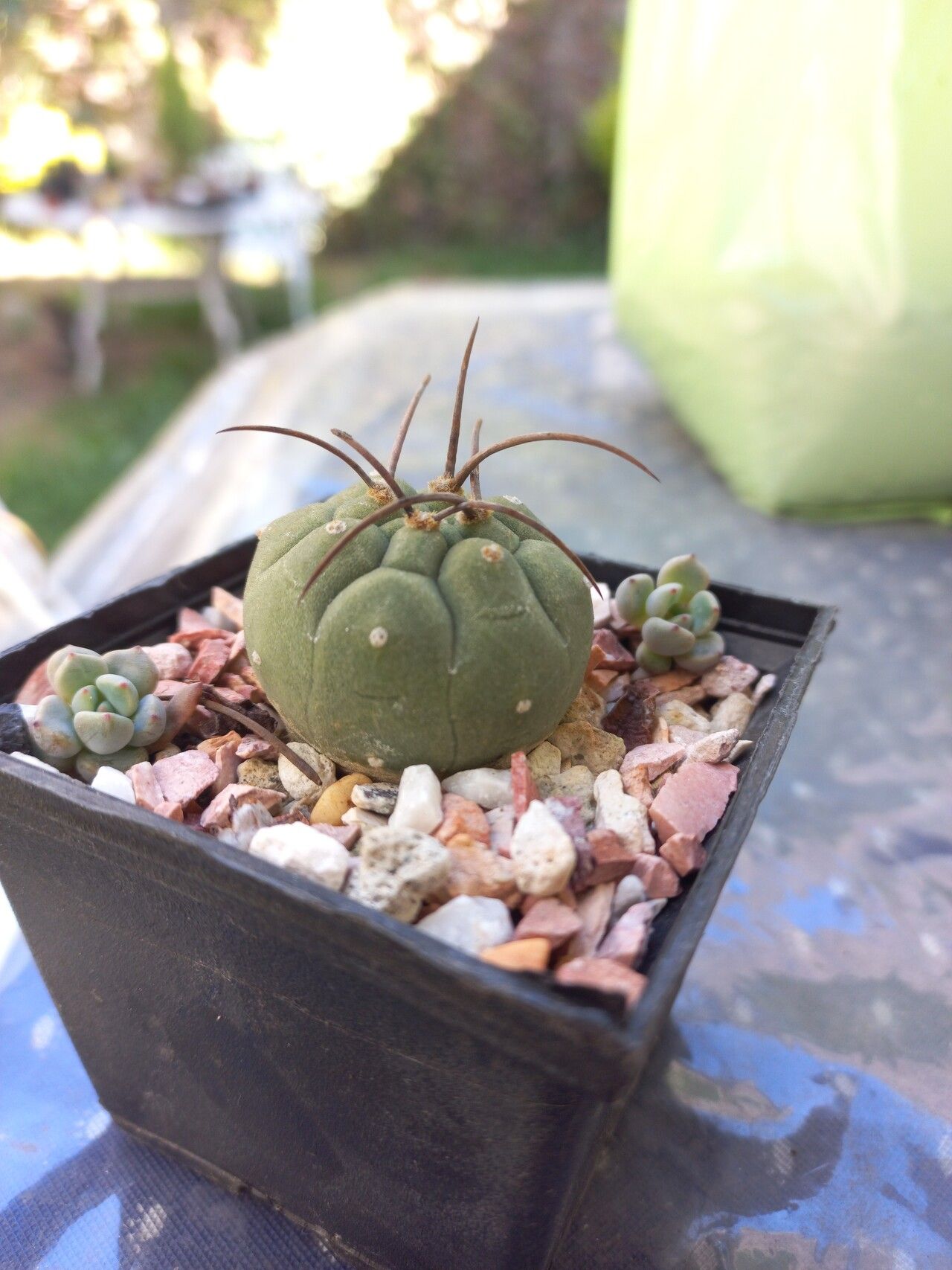
Hey there, fellow plant enthusiasts! Today, we’re diving into the wonderful world of Matucana madisoniorum. If you’re looking for a cactus that’s a little bit different, a little bit quirky, and oh-so-rewarding to grow, then this is definitely one you’ll want to get acquainted with. Its ribbed body and vibrant flowers are truly a sight to behold.
Now, I won’t lie to you. Propagating Matucana madisoniorum isn’t quite as straightforward as, say, a spider plant. It can be a touch finicky, especially for absolute beginners. But with a little patience and a few key techniques, you’ll be well on your way to creating more of these beauties. And trust me, the satisfaction of seeing a baby cactus sprout from your efforts is second to none!
The Best Time to Start
For the highest success rate with Matucana madisoniorum, aim to propagate during its active growing season. This typically falls in the late spring through summer. During this time, the plant has plenty of energy to dedicate to root development. Avoid trying to propagate when the plant is dormant in the cooler months.
Supplies You’ll Need
Here’s what you’ll want to have on hand before you get started:
- Well-draining cactus and succulent mix: This is non-negotiable! You can buy a pre-made one or mix your own using coarse sand, perlite, and a good quality potting soil.
- Sharp, sterilized pruning shears or a clean knife: For making clean cuts and preventing disease.
- Rooting hormone (optional, but recommended): A powder or liquid that encourages root development.
- Small pots or seed trays: With drainage holes, of course!
- Gravel or perlite: For the bottom of your pots to improve drainage.
- A spray bottle: For gentle watering.
- Bottom heat setup (optional, but very helpful): A seedling mat or a warm windowsill.
Propagation Methods
While Matucana madisoniorum can be a bit challenging, stem cuttings are generally the most successful method for propagation. It’s all about mimicking the conditions it thrives in.
Stem Cuttings
- Select a healthy source plant: Look for a mature, healthy stem or offset that is firm and shows no signs of rot or disease.
- Make the cut: Using your sterilized shears or knife, make a clean cut at the base of the stem you want to propagate. Aim for a piece that’s at least a couple of inches long.
- Allow it to callus: This is a crucial step! Place the cutting in a dry, bright spot out of direct sun for several days to a week. You’ll notice the cut end dries and forms a protective scab. This prevents rot when you plant it.
- Dust with rooting hormone (optional): Once callused, lightly dip the cut end into rooting hormone powder, tapping off any excess.
- Plant the cutting: Fill your small pots with your well-draining cactus mix, perhaps adding a layer of gravel or perlite at the bottom for extra drainage. Gently insert the callused end of the cutting an inch or so into the soil.
- Watering: Do NOT water immediately. Wait a few days after planting. Then, water very sparingly. You want the soil to be barely moist, not wet. A light misting with your spray bottle is often best.
- Provide warmth and light: Place the pots in a warm location, ideally with bottom heat if you have it. Bright, indirect light is perfect. Direct sun can scorch a new cutting.
The “Secret Sauce” (Pro Tips)
Here are a couple of little tricks I’ve learned over the years that can make a big difference:
- Don’t be greedy with water: This is probably the number one mistake I see. New cuttings hate soggy soil. Think of it like a desert plant – a little water, but not a soaking. Overwatering will lead to rot faster than you can blink.
- Bottom heat is your friend: Just like a mama plant keeping her babies warm, providing gentle bottom heat from a seedling mat will significantly speed up root development. It encourages those roots to push out of the callused end and seek out moisture.
Aftercare & Troubleshooting
Once you see signs of roots – usually a little tug on the cutting or new growth appearing – congratulations! You can now begin to water a bit more regularly, but still, let the soil dry out between waterings. Gradually introduce it to more light.
The most common issue you’ll face is rot. This looks like a mushy, brown or black discoloration starting from the cut end. If you spot this, act fast. Sadly, it’s often too late to save the cutting, but you can try to cut away the rotted portion and let the healthy part callus again. Prevention is key, so focus on that excellent drainage and sparing watering from the start. Another sign of failure is if the cutting simply shrivels up and never develops roots, which can happen if it’s too dry or not getting enough light/warmth.
A Encouraging Closing
Propagating Matucana madisoniorum might take a little extra care, but don’t let that deter you. Be patient with your little ones. Nature has a wonderful way of working things out, and the joy of nurturing a new plant from a cutting is truly a special kind of green-thumb magic. Happy propagating!
Resource: