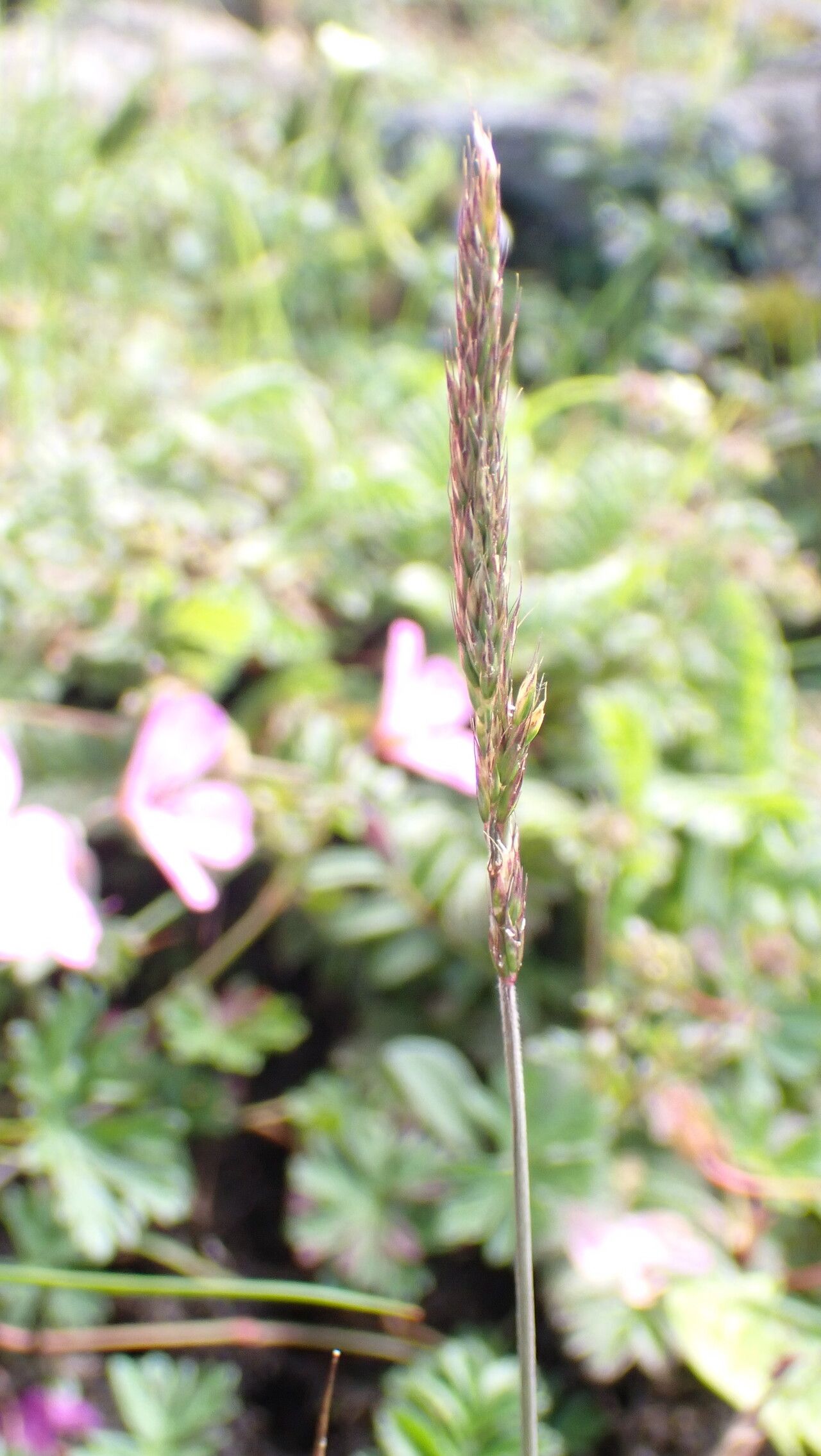
Hello fellow garden enthusiasts! Today, we’re diving into the delightful world of propagating Koeleria spicata, commonly known as Spike Crested Hairgrass. This ornamental grass brings such a lovely texture and a whisper of movement to any garden. Its delicate plumes and fine foliage have a way of softening hard edges and adding a naturalistic charm. Growing more of this beauty from existing plants is incredibly satisfying, and honestly, it’s not as daunting as you might think! For beginners, I’d say it’s a rewarding project with a good chance of success if you follow a few simple steps.
The Best Time to Start
The absolute best time to get your hands dirty with Koeleria spicata propagation is early spring, just as the plant is waking up from winter dormancy and starting to put on new growth. You can also have decent luck with late summer cuttings, but spring often gives the plants a longer growing season to establish themselves before winter. Look for healthy, vigorous shoots originating from the base of the parent plant.
Supplies You’ll Need
Here’s what you’ll want to have on hand:
- Sharp, clean pruning shears or a sharp knife: For making clean cuts.
- Well-draining potting mix: A blend of peat moss, perlite, and sand works wonders. You can also buy a good quality seed-starting or potting mix.
- Small pots or trays with drainage holes: For housing your new propagations.
- Watering can with a fine rose attachment: To water gently without disturbing delicate roots.
- (Optional) Rooting hormone: For an extra boost, especially if you’re a touch apprehensive.
- (Optional) Clear plastic bag or propagation dome: To create a humid environment.
- Labels and a permanent marker: To keep track of what you’ve planted and when!
Propagation Methods
Koeleria spicata is most commonly propagated through division, which is essentially splitting up a mature plant. It’s straightforward and very effective.
Method: Division
- Dig Up the Parent Plant: In early spring, carefully dig around the base of your Koeleria spicata plant with a spade or garden fork. Gently lift the entire clump from the soil.
- Clean Excess Soil: Gently brush off as much of the excess soil as you can. This will help you see the root structure more clearly.
- Separate the Divisions: You can usually pull the plant apart with your hands. Look for natural breaks in the root system where clumps have formed. If it’s a bit stubborn, you can use your clean knife or spade to cut through thicker roots. Each division should have healthy roots and some new shoots or foliage.
- Replant Immediately: You’ll want to get these divisions back into the ground or pots as soon as possible.
The “Secret Sauce” (Pro Tips)
Here are a few little tricks that I’ve picked up over the years that can really make a difference:
- Don’t Over-Water Early On: While new divisions need moisture, they don’t like sitting in soggy soil. Over-watering at this stage is a fast track to rot. Keep the soil evenly moist, not waterlogged.
- The Power of Shade: For the first week or two after division, place your new plants in a spot that receives dappled shade, especially if it’s sunny and warm. This reduces transplant shock and helps them conserve energy while they establish their roots. Full sun can be too intense for a plant that’s still finding its feet.
- Inspect for Pests: Before you even dig, give your existing Koeleria a quick look for any signs of critters. Sometimes they can hitch a ride, and you don’t want to pass them on to your new babies!
Aftercare & Troubleshooting
Once your divisions are replanted, water them gently but thoroughly. Keep the soil consistently moist for the first few weeks. As they start to show new growth, you can gradually acclimate them to their final sunny spot.
The most common issue you might encounter is rot, which usually stems from over-watering or poor drainage. If you see your new divisions wilting suddenly, with soft, mushy stems and roots, that’s a pretty clear sign of rot. Unfortunately, it’s hard to recover from that, so prevention is key! Ensure your potting mix is truly free-draining and avoid the temptation to over-water.
A Encouraging Closing
Taking cuttings or dividing plants can feel a bit nerve-wracking the first few times, but Koeleria spicata is a pretty forgiving subject. Be patient with your new green babies. Watch for subtle signs of new growth, and celebrate each tiny leaf! The joy of watching a new plant thrive, grown from your own hands, is truly a special kind of magic. Happy propagating!
Resource: