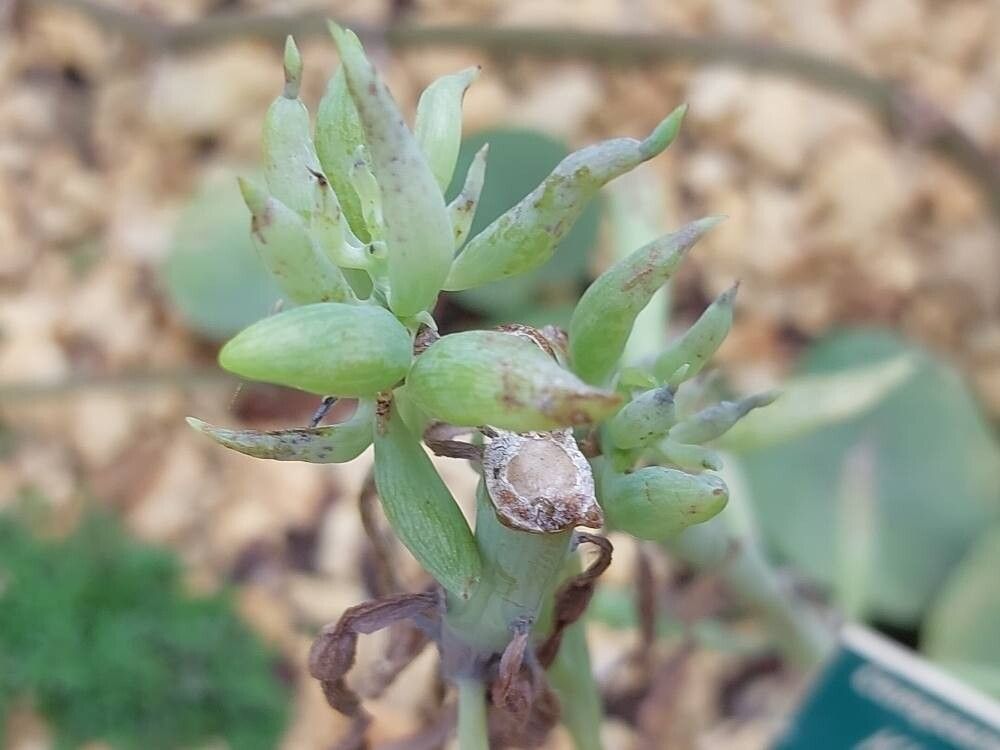
Hello, fellow plant lovers! I’m so excited to share with you today a little gem that’s brought so much joy to my own garden: Kleinia picticaulis, also sometimes called the “African Sunset” or “Piccolo Tiger Tail.” This succulent is an absolute stunner with its striking, striped stems that really pop, especially when it gets a good bit of sun. It’s a relatively low-maintenance plant, and the thought of multiplying its beauty? Well, that’s just a gardener’s dream come true, isn’t it? Don’t worry if you’re new to the plant club; propagating this one is surprisingly straightforward and incredibly rewarding.
The Best Time to Start
For Kleinia picticaulis, the sweet spot for starting new plants is during its active growing season. This typically falls in the late spring and summer months. During this time, the plant has plenty of energy to put into rooting, meaning you’ll see much faster results. Trying to propagate in the dead of winter is like asking a sleepy bear to run a marathon – it just won’t have the get-up-and-go.
Supplies You’ll Need
Before we get our hands dirty, let’s gather our tools. You won’t need anything too fancy, thankfully!
- Sharp Pruning Shears or a Clean Knife: For making clean cuts.
- Well-Draining Potting Mix: A cactus or succulent mix is perfect, or you can create your own by mixing potting soil with perlite or coarse sand (about a 50/50 ratio).
- Small Pots or Seed Trays: Clean and ready for your new plant babies.
- Rooting Hormone (Optional but Recommended): A little dip in this can really give your cuttings a boost.
- Watering Can or Spray Bottle: For gentle watering.
- Gloves (Optional): If you’re sensitive to sticky sap.
- Labels: To keep track of your efforts!
Propagation Methods
Kleinia picticaulis is a champion of stem cuttings. This is where you’ll have the most success.
Stem Cuttings:
- Select a Healthy Stem: Look for a mature, healthy stem on your Kleinia picticaulis. It should be firm and not too soft or mushy.
- Make the Cut: Using your sharp shears or knife, take a cutting that is at least 3-4 inches long. Aim for a clean, diagonal cut just below a leaf node (where a leaf meets the stem).
- Allow to Callus: This is a crucial step! After you’ve taken your cutting, let it sit in a dry, well-ventilated spot for a few days to a week. You’ll see the cut end dry out and form a protective scab, or callus. This prevents rot when you plant it.
- Dip in Rooting Hormone (Optional): If you’re using rooting hormone, lightly dip the callused end into the powder or gel.
- Plant the Cutting: Fill your small pot with your well-draining succulent mix. Make a small hole in the soil with your finger or a pencil and insert the callused end of the cutting. Gently firm the soil around the base to support it.
- Wait for Roots: Don’t water immediately! Let the cutting settle in for a day or two, then provide a light watering. Place the pot in a bright location with indirect sunlight. It can take anywhere from 2 to 6 weeks for roots to form. You’ll know it’s rooted when you feel a slight resistance when you gently tug on the cutting, or you might see new growth appearing.
Water Propagation (An Alternative Approach):
While stem cuttings directly in soil are my go-to, you can also try water propagation.
- Prepare Your Cutting: Follow steps 1-3 above. You can skip the callusing step for water propagation, but I still find it beneficial.
- Place in Water: Put your cutting in a clear glass or jar filled with clean water. Make sure the end of the cutting is submerged, but none of the leaves are touching the water.
- Change Water Regularly: Change the water every few days to keep it fresh and prevent bacterial growth.
- Provide Bright Light: Place in a bright spot with indirect light.
- Plant When Rooted: Once you see ½ inch to 1 inch of healthy roots, carefully transfer the cutting to your well-draining potting mix, following step 5 from the soil propagation method.
The “Secret Sauce” (Pro Tips)
Here are a couple of things I’ve learned over the years that really make a difference:
- Don’t Let Leaves Touch the Water: This is a big one, especially for water propagation. Any leaves submerged in water will quickly rot, and that rot can travel down to the stem and kill your cutting before it ever has a chance to root. Keep those leaves high and dry!
- Bottom Heat is Your Friend: If you can, place your pots on a gentle heating mat. This warmth encourages root development from below. Think of it as a cozy incubator for your little plant babies. It’s not strictly necessary, especially in warm weather, but it can speed things up considerably.
- Be Patient with the Callus: Resist the urge to plant your cutting before the end has callused over. This step is your insurance policy against rot. A little patience here pays off in the long run with a healthy, thriving new plant.
Aftercare & Troubleshooting
Once you see those first signs of roots – a gentle tug resistance or tiny new shoots – your Kleinia picticaulis is ready for a little more attention. Gradually introduce it to brighter light, but always avoid direct, harsh sunlight for the first few weeks. Water when the soil feels dry to the touch, which might be every week or two initially, depending on your environment.
The most common issue you’ll face is rot. If your cutting turns mushy, black, or smells foul, it’s likely succumbed to rot. This usually happens if the cutting wasn’t properly callused, the soil is too wet, or there’s poor air circulation. If you catch it early, you might be able to cut away the rotten part and try again with proper callusing and drier conditions. Sometimes, a cutting just doesn’t take, and that’s okay too! Don’t get discouraged.
A Encouraging Closing
Propagating Kleinia picticaulis is such a delightful way to expand your collection or share the plant’s beauty with friends. It’s a process that teaches you patience and rewards you with new life. Trust your instincts, enjoy the learning curve, and before you know it, you’ll have a whole little family of these gorgeous succulents. Happy propagating!
Resource: