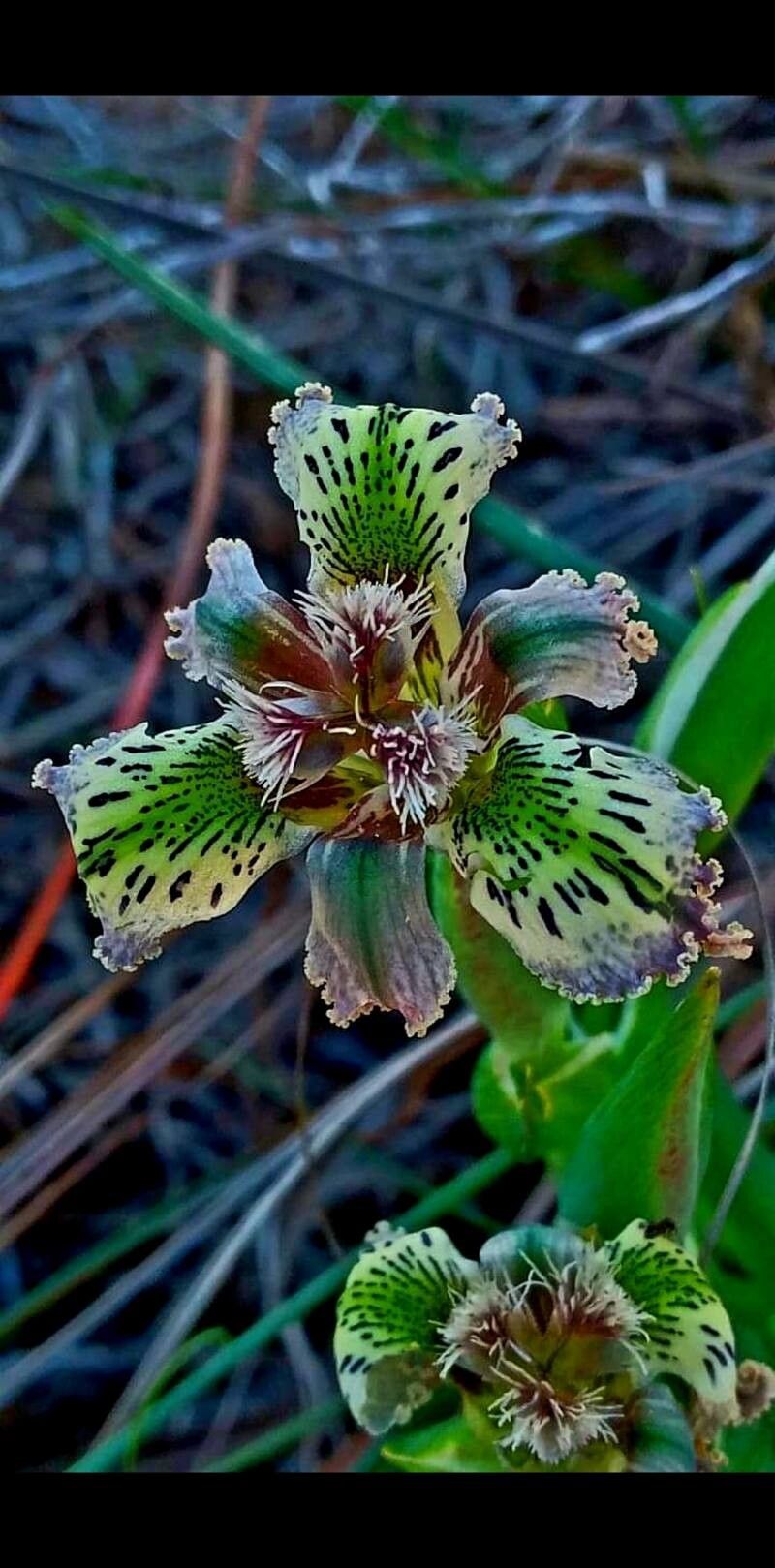
Oh, hello there! Come on in and grab a cuppa. Today, we’re diving into the wonderful world of propagating Ferraria ferrariola. If you’ve ever seen this striking plant, with its intricate, almost alien-looking blooms, you know it’s a real showstopper. And the beauty of it? You can make more of them! Propagating Ferraria ferrariola isn’t exactly a beginner’s walk in the park, but with a little patience and some know-how, I promise you, it’s incredibly rewarding. Watching a tiny piece of a plant transform into a new, thriving individual is just pure magic.
The Best Time to Start
For Ferraria ferrariola, like many geophytes, the ideal time to propagate is in the spring, just as new growth begins to emerge from the dormant bulb or corm. You’ll see those first tentative shoots pushing through the soil – that’s your cue! Starting when the plant is actively growing means it has plenty of energy to dedicate to developing roots. Avoid propagating during its dormant period, as the chances of success are significantly lower.
Supplies You’ll Need
Before we get our hands dirty, let’s gather our essentials:
- A sharp, clean knife or pruning shears: Sterilize them with rubbing alcohol before and after use.
- Well-draining potting mix: A mix of peat moss, perlite, and coarse sand works beautifully. You can also find specialized mixes for bulbs or succulents that will do the trick.
- Small pots or seedling trays: Choose ones with drainage holes, of course!
- Rooting hormone (optional, but recommended): This can give your cuttings a head start.
- Watering can or spray bottle: For gentle watering.
- Labels and a permanent marker: Trust me, you’ll thank yourself later!
- A tray for bottom heat (optional): A seedling heat mat can really speed things up.
Propagation Methods
Ferraria ferrariola is most commonly propagated through division or offsets. We’ll focus on these, as they’re the most reliable for this particular beauty.
Division
This is your go-to method if your Ferraria has started to produce multiple bulbs or corms.
- Gently dig up the parent plant when it’s actively growing in spring. Try to disturb the roots as little as possible.
- Carefully brush away excess soil to expose the corms. You’ll likely see smaller corms attached to the main one, almost like little babies.
- Using your clean knife, gently separate the smaller corms from the parent. Ensure each division has at least one small bud or growing point.
- Allow the divisions to air dry for a day or two in a warm, airy spot. This helps to callus over any cuts, preventing rot.
- Pot up each division in a small pot filled with your well-draining mix. Plant them at roughly the same depth as they were before, or just slightly deeper.
- Water lightly to settle the soil, and then keep it only slightly moist until you see signs of new growth.
Offsets
Sometimes, instead of direct corm division, you’ll find little baby corms (offsets) that have grown a bit away from the main plant.
- Gently excavate around the base of the parent plant. You may uncover these tiny offsets.
- Carefully detach any offsets that have started to form their own roots. If they don’t have roots yet, that’s okay too!
- Follow steps 4-6 from the Division method. Offsets generally need a bit more care to establish, so be patient.
The “Secret Sauce” (Pro Tips)
Here are a few little tricks I’ve learned over the years that can really make a difference:
- Don’t overwater newly divided plants. This is the biggest killer! New divisions are susceptible to rot because they haven’t developed a strong root system yet to absorb moisture. Keep the soil on the drier side of moist.
- A touch of bottom heat can work wonders. If you have a seedling heat mat, placing your pots on it can significantly encourage root development, especially if your propagation area is a bit cooler. It mimics the warmth of spring soil perfectly.
- Don’t fertilize too early. Resist the urge to feed your new babies right away. Wait until you see a few inches of healthy new growth before introducing a diluted liquid fertilizer. Let them focus on establishing their roots first.
Aftercare & Troubleshooting
Once those first tiny leaves appear, you know you’ve succeeded! At this point, you can start watering a bit more regularly, but always check the soil moisture first. Let the top inch or so dry out between waterings. Continue to provide bright, indirect light.
The most common issue you’ll encounter is rot. If you notice your corm becoming mushy, black, or smelling off, it’s likely succumbed to rot. This is almost always due to overwatering or poor drainage. If you catch it early, you might be able to cut away the rotten parts (sterilize your knife first!), let the healthy portion callus, and try again, but sadly, it’s often a lost cause. Another sign of trouble is if the leaves turn yellow and limp very quickly after potting – this can also indicate root rot or sometimes insufficient light.
A Encouraging Closing
Propagating Ferraria ferrariola is a journey, and like any good garden adventure, it requires a bit of patience and observation. Don’t be discouraged if your first attempt isn’t perfect. Every gardener has had their share of failures – we learn from them! Just keep at it, enjoy the process of nurturing these new little lives, and soon you’ll have a whole collection of these captivating blooms. Happy propagating!
Resource:
https://identify.plantnet.org/k-world-flora/species/Ferraria%20ferrariola%20(Jacq.)%20Willd./data