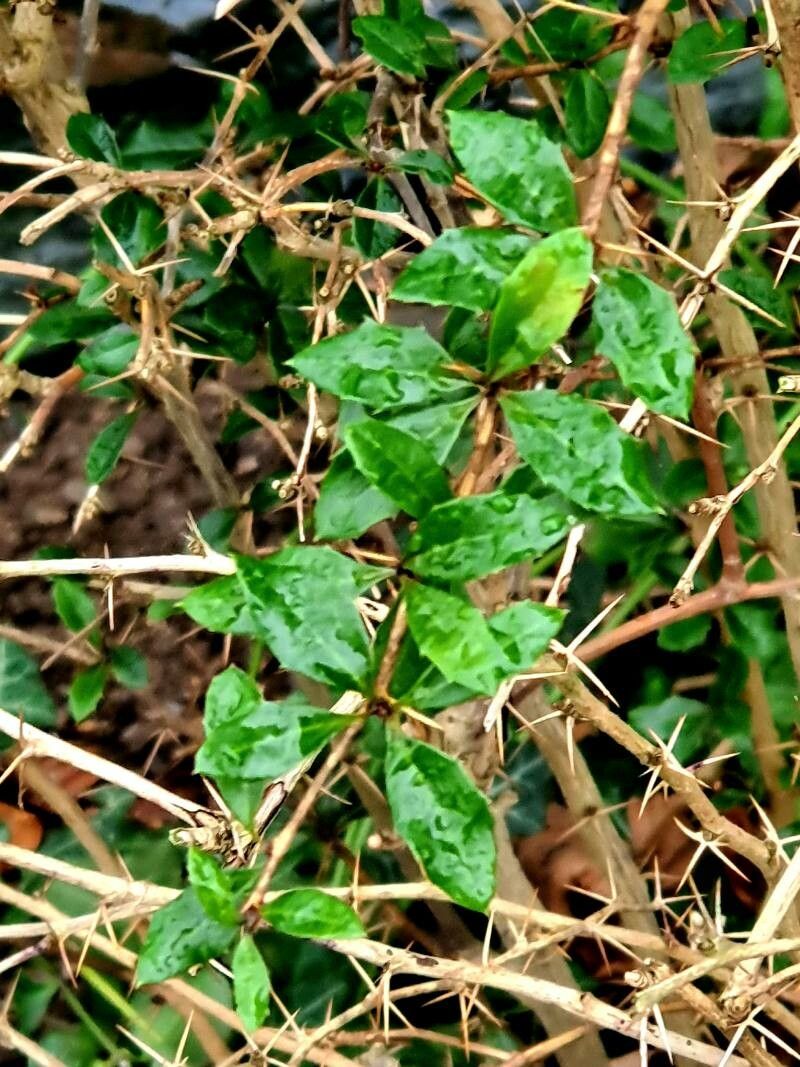
Oh, hello there! It’s so lovely to have you join me. Today, we’re diving into the world of Berberis candidula, also known as the shiny leaf barberry. If you adore those neat, evergreen mounds dotted with cheerful yellow flowers in spring and lovely dark berries in autumn, you’re in for a treat. Propagating them is a wonderfully rewarding way to fill your garden, share with friends, or simply marvel at your own green-thumb skills. For beginners, I’d say Berberis candidula is moderately easy, which means a little patience goes a long way, and you’ll likely see success without too much fuss.
The Best Time to Start
I find the absolute best time to get started with Berberis candidula propagation is late spring to early summer, right after the plant has finished its main flush of growth and flowering. We’re looking for what we call semi-ripe cuttings. These are stems that are starting to firm up but still have a bit of flexibility. Avoid taking cuttings when the stems are very soft and new, or when they’re completely woody and hard. This sweet spot gives the cuttings the best energy reserves and the longest growing season ahead to establish.
Supplies You’ll Need
Gathering your supplies upfront makes the whole process so much smoother. Here’s what I always have on hand:
- Sharp pruning shears or a clean knife: For taking precise cuts.
- Rooting hormone: A powder or gel formulation. This is your little helper for encouraging root development.
- Small pots or seed trays: Clean and with drainage holes, of course!
- A good propagation mix: I like a blend of equal parts peat-free compost and perlite or grit. This ensures excellent drainage, which is crucial.
- A small trowel or Dibber: For making holes for the cuttings.
- Clear plastic bags or a propagator lid: To create a humid environment.
- Labels: To keep track of what you’ve planted and when.
- Soft water or rainwater: For watering.
Propagation Methods
For Berberis candidula, my go-to method is stem cuttings. It’s reliable and gives you plenty of opportunities to increase your plant numbers.
Taking Your Cuttings:
- Select your parent plant. Choose a healthy, vigorous Berberis candidula for your cuttings.
- Make your cuts. Using your sharp secateurs or knife, take cuttings that are about 10-15 cm (4-6 inches) long. Aim for stems that are semi-ripe – they should snap cleanly when bent a little.
- Prepare the cuttings. Remove the lower leaves from the cutting, leaving just 2-3 leaves at the very top. If the top leaves are very large, you can cut them in half horizontally to reduce water loss.
- Wound the stem (optional but helpful). Very gently, make a small shallow slit (about 1-2 cm or half an inch) along one side of the base of the cutting. This can encourage rooting.
- Dip in rooting hormone. Dip the cut end of the stem into your rooting hormone powder or gel. Tap off any excess.
- Pot them up. Fill your small pots or trays with your prepared propagation mix. Make a hole with a dibber or trowel and gently insert the cuttings, ensuring the hormone-coated end is well into the soil. Firm the soil around the base of each cutting.
- Water gently. Water the pots thoroughly with soft water until the soil is moist but not waterlogged.
Creating a Humid Environment:
- Cover your pots. Place the pots in a propagator or cover them loosely with a clear plastic bag, ensuring the bag doesn’t touch the leaves too much. If using a bag, you can support it with small stakes.
- Find a bright spot. Place the pots in a bright location, but out of direct, harsh sunlight. A greenhouse, a bright windowsill, or even a shaded spot outdoors can work well.
The “Secret Sauce” (Pro Tips)
Now for a couple of little tricks I’ve learned over the years:
- The water dip: Before you pot up your cuttings, especially if you’re going to be a little while before you get them in the soil, giving the cut end a quick dip in lukewarm water for just a few seconds before the rooting hormone can help the hormone adhere better and provides a little initial moisture.
- Bottom heat is your friend: While Berberis candidula will root without it, a little gentle bottom heat from a propagator mat can significantly speed up the process and increase your success rate. Aim for around 18-22°C (65-72°F).
Aftercare & Troubleshooting
Once your cuttings are potted, the waiting game begins!
- Check for moisture: Keep the soil consistently moist but not soggy. Feel the weight of the pot – a light pot means it’s time to water. If you’re using a plastic bag, condensation on the inside is a good sign, but if it’s dripping excessively, you might need to ventilate it a bit.
- Roots should appear: You’ll know your cuttings have rooted when you see new growth emerging from the top, or when you gently tug on a cutting and feel resistance. This can take anywhere from 4 weeks to a couple of months, so patience is key!
- Handle with care: Once rooted, you can start to harden them off gradually. Remove the plastic bag for increasing periods each day, or if using a propagator, open the vents a little more each day.
- Common issues: The most common problem is rot, often caused by too much moisture and poor drainage. If you see cuttings going black or mushy, it’s a sign of rot. Ensure your soil mix is open and airy, and avoid overwatering. If you catch it early, you might be able to save a cutting by removing it and repotting in fresh, dry soil. Another sign of trouble is if cuttings shrivel and die. This usually indicates they haven’t rooted or have dried out too much.
A Encouraging Closing
And there you have it! Propagating Berberis candidula is a truly satisfying endeavor. Don’t be discouraged if not every single cutting takes – that’s part of the gardening journey. Celebrate the successes, learn from those that don’t quite make it, and most importantly, enjoy the process of bringing new life into your garden. Happy propagating!
Resource: