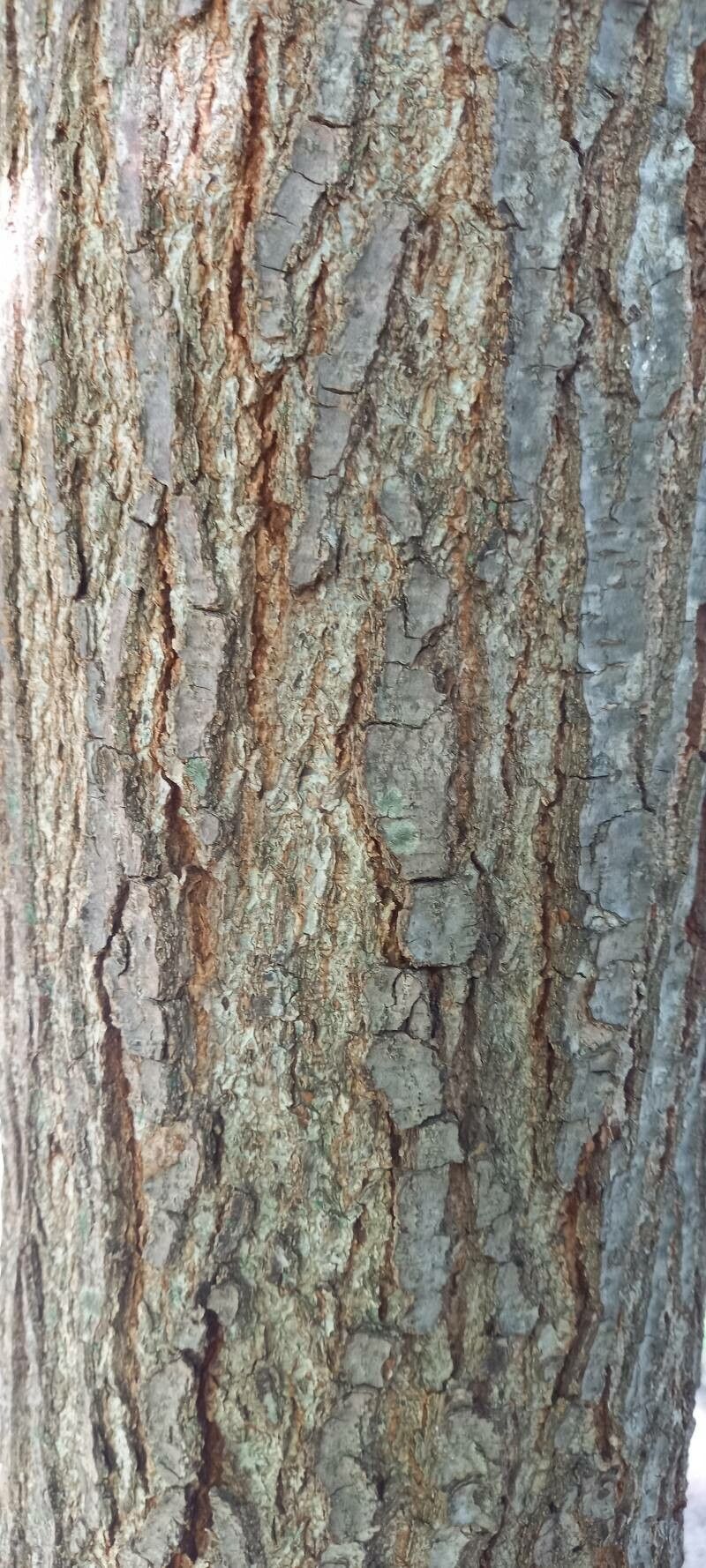
Hello there, fellow plant enthusiasts! Today, I want to chat about a tree that holds a special place in my heart: the Japanese Alder, or Alnus japonica. This beauty, with its slender form and attractive, toothed leaves, brings a touch of elegance to any garden. It’s not just pretty, though; its ecological benefits are fantastic too, particularly for attracting beneficial insects and improving soil. And the absolute joy of nurturing a new tree from a tiny cutting? Well, that’s an experience I wouldn’t trade for anything. Now, about getting started with propagation, I’d say Alnus japonica is moderately easy. It’s not something I’d throw a complete novice at on day one, but with a little care and attention, you’ll find success.
The Best Time to Start
Timing is everything, isn’t it? For Japanese Alder, softwood cuttings are your best bet, and these are best taken in late spring to early summer, typically May or June. You’re looking for new, flexible growth that’s still somewhat green and pliable, but has started to firm up. Think of it as growth that will snap rather than bend like a green twig. Harvesting too early or too late can significantly impact your rooting success.
Supplies You’ll Need
Gathering your tools before you begin makes the whole process so much smoother. Here’s what I always have on hand:
- Sharp Pruning Shears or a Knife: Clean cuts are crucial. I prefer a sharp bypass pruner that’s been wiped down with rubbing alcohol.
- Rooting Hormone: This is a powder or gel that encourages root development. Find one that’s specifically for softwood cuttings.
- Potting Mix: A light, well-draining mix is essential. I like a blend of perlite, peat moss, and a bit of coarse sand. You can also buy specialized seedling or cutting mixes.
- Small Pots or Trays: Clean pots with drainage holes are a must. Small 4-inch pots are usually perfect.
- Plastic Bags or a Propagation Dome: This helps maintain humidity around your cuttings.
- Dibber or Pencil: For making planting holes in your mix.
- Watering Can with a Fine Rose: Gentle watering prevents disturbing your precious cuttings.
- Labels: Don’t forget to label your plants! You’ll thank yourself later.
Propagation Methods
Let’s talk cuttings. This is my go-to for Alnus japonica.
-
Taking the Cuttings: Head out to your Japanese Alder in late spring or early summer. Look for healthy, non-flowering shoots that are about 4-6 inches long. Using your clean pruning shears, make a cut just below a leaf node (where a leaf attaches to the stem). Remove the lower leaves, leaving just a couple at the very top. If the leaves are quite large, I sometimes cut them in half to reduce water loss.
-
Applying Rooting Hormone: Dip the cut end of the stem into your rooting hormone. Tap off any excess. This step is really important for giving your cuttings a head start.
-
Planting the Cuttings: Fill your pots with your well-draining potting mix and water it thoroughly. Use your dibber or pencil to make a hole in the soil for each cutting. Gently insert the cutting into the hole, ensuring the callused end is making good contact with the soil. Firm the soil gently around the base of the cutting.
-
Creating a Humid Environment: Water the pots again, very gently. Place the pots into a clear plastic bag, creating a mini-greenhouse effect, or cover them with a propagation dome. Make sure the plastic doesn’t actually touch the leaves of the cuttings.
-
Placement: Find a bright spot for your cuttings, but avoid direct sunlight. A windowsill in indirect light or a shaded area outdoors is ideal.
The “Secret Sauce” (Pro Tips)
Here are a few tricks I’ve learned over the years that really make a difference:
- Bottom Heat is Your Friend: If you can, place your pots on a heating mat. This gentle warmth from below encourages root formation much faster than ambient air temperature alone. It’s like a cozy blanket for those developing roots.
- Don’t Drown Your Dreams: While humidity is key, waterlogged soil is the enemy. Ensure your pots drain freely and don’t let them sit in a saucer of standing water. If you’re using a plastic bag, check the soil moisture every few days and only water if the top inch feels dry.
- Patience, Young Grasshopper: I know it’s tempting, but don’t pull on the cuttings to check for roots! This can easily damage them. You’ll see new leaf growth as the prime indicator of successful rooting.
Aftercare & Troubleshooting
Once you see new leafy growth, that’s a fantastic sign your cuttings have rooted! Gradually acclimatize them to lower humidity by opening the plastic bag a little each day over a week or so. Continue to keep them in bright, indirect light and water them when the top inch of soil is dry.
Sometimes, things don’t go as planned. The most common issue you might encounter is rot. This usually happens if the soil is too wet or the humidity is too high without enough air circulation. Your cutting will likely turn mushy and black. If you see this, unfortunately, it’s best to discard it and try again. Another sign of failure might be wilting that doesn’t recover, or the cutting simply shriveling up.
A Warm Encouraging Closing
Propagating plants, especially trees, is a wonderful journey. It requires a bit of patience and a willingness to learn, but the reward of holding a baby Japanese Alder you grew yourself is truly special. So, gather your supplies, embrace the season, and enjoy the process of bringing new life into your garden. Happy growing!
Resource:
https://identify.plantnet.org/k-world-flora/species/Alnus%20japonica%20(Thunb.)%20Steud./data