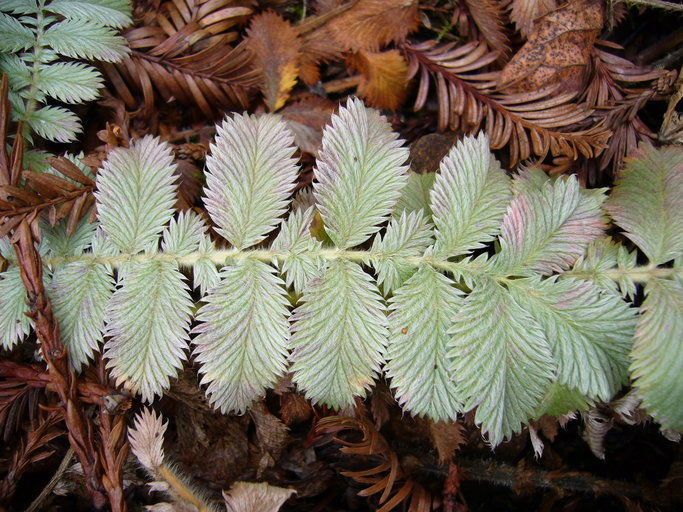
Welcome, fellow garden enthusiasts! Today, we’re diving into the delightful world of Potentilla discolor. If you’ve ever admired those lovely, often delicate flowers and wish you had more of them gracing your garden, you’re in the right place. Propagating Potentilla discolor is a fantastic way to expand your collection, share with friends, and experience the pure joy of creating new life from an existing plant. Don’t worry if you’re just starting out; this plant is quite forgiving, making it a wonderful candidate for beginner propagators.
The Best Time to Start
For the highest success rate, I find that late spring to early summer is the absolute sweet spot for propagating Potentilla discolor. This is when the plant is actively growing, and the new shoots are usually soft enough to root easily but have started to firm up a bit, making them ideal for cuttings. Waiting until after the initial flush of spring bloom is often ideal.
Supplies You’ll Need
Getting your tools ready makes the whole process smoother. Here’s what I usually gather:
- Sharp pruning shears or a clean knife: For taking stem cuttings. Make sure they’re sterilized to prevent disease.
- Rooting hormone (optional but recommended): A powder or gel that encourages root development.
- Small pots or seedling trays: With drainage holes, of course!
- Potting mix: A good blend for cuttings is crucial. I like a mix of equal parts peat moss (or coir) and perlite. This provides moisture retention without getting waterlogged. You can also use a seed-starting mix.
- Plastic bags or a propagator: To create a humid environment for your cuttings.
- Watering can or spray bottle: For keeping things consistently moist.
Propagation Methods
Potentilla discolor is quite adaptable, but I’ve found the most reliable methods to be stem cuttings and, for established plants, division.
Stem Cuttings (The Most Common Way)
This is my go-to for Potentilla discolor. It’s efficient and yields great results.
- Select your stems: Look for healthy, non-flowering shoots that are about 4-6 inches long. They should be semi-hardwood, meaning they’re not brand new and floppy, but also not old and woody. Pinching off a stem can tell you if it’s right – it should bend slightly without snapping cleanly.
- Make the cut: Using your sterilized shears or knife, take cuttings from the base of a healthy shoot, just below a leaf node (where a leaf attaches to the stem).
- Prepare the cuttings: Gently remove the lower leaves from the cutting. Leave just a couple of leaves at the top. This reduces water loss. If the remaining leaves are very large, I often cut them in half horizontally to further minimize wilting.
- Apply rooting hormone (if using): Dip the cut end of the stem into the rooting hormone, tapping off any excess.
- Plant the cuttings: Fill your pots or trays with the prepared potting mix. Make a small hole in the center with a pencil or your finger. Insert the cutting into the hole, ensuring the root node is buried. Gently firm the soil around the base of the cutting.
- Water gently: Water thoroughly but carefully, so you don’t dislodge the cuttings.
Division (For Established Plants)
If you have a mature, well-established Potentilla discolor, you can divide it.
- Dig up the plant: In early spring or fall, carefully dig up the entire clump.
- Clean the roots: Gently shake off excess soil so you can see the root structure.
- Divide the clump: Using your hands or a spade, gently pull or cut the root ball into sections. Each section should have a good amount of roots and at least one healthy shoot.
- Replant immediately: Plant the divisions in their new locations or in pots with fresh soil, watering them in well.
The “Secret Sauce” (Pro Tips)
Here are a few things I’ve learned over the years that can really boost your success:
- Don’t let the leaves touch the water: Whether you’re waiting for roots to form in water (though I find soil cuttings more robust) or in a propagation tray, ensure no leaves are submerged. This is a fast track to rot! Trim them back if necessary.
- Bottom heat is your friend: Pop your pots or trays onto a heat mat from a garden center. A consistent, gentle warmth from below really encourages root formation. It’s like giving your cuttings a cozy incubator.
- Be patient with drainage: Potentilla can be susceptible to damping off if the soil stays too wet. I always make sure there are plenty of drainage holes, and if I’m using a plastic bag, I often lift the bag off for an hour or so each day to allow for air circulation.
Aftercare & Troubleshooting
Once your cuttings have been planted, the real nurturing begins.
- Maintain humidity: Cover your pots with a plastic bag or propagator lid. This keeps the moisture consistent, preventing the cuttings from drying out. Lightly mist the inside of the bag if it looks dry.
- Provide bright, indirect light: Don’t put your new cuttings in direct, harsh sunlight. A bright window that doesn’t get intense midday sun is perfect.
- Check for roots: After about 3-6 weeks, you can gently tug on a cutting. If you feel resistance, roots have formed! You can also look for new leaf growth, which is a sure sign.
- Transplant when ready: Once you have a good root system, you can transplant your new Potentilla into its own pot with regular potting soil.
- Watch for rot: The most common problem is rot. If your cuttings turn black and mushy, it’s usually due to too much moisture and not enough airflow. Next time, try a sharper cutting tool, sterilize everything, and ensure excellent drainage.
A Encouraging Closing
Growing new plants is one of the most rewarding aspects of gardening. Propagation, especially for beauties like Potentilla discolor, connects us deeply with the natural world. Don’t be discouraged if your first few attempts aren’t perfect. Gardening is a journey of learning and observation. Be patient with your little plants, enjoy the process, and celebrate every new root and leaf! Happy propagating!
Resource:
https://identify.plantnet.org/k-world-flora/species/Potentilla%20discolor%20Bunge/data