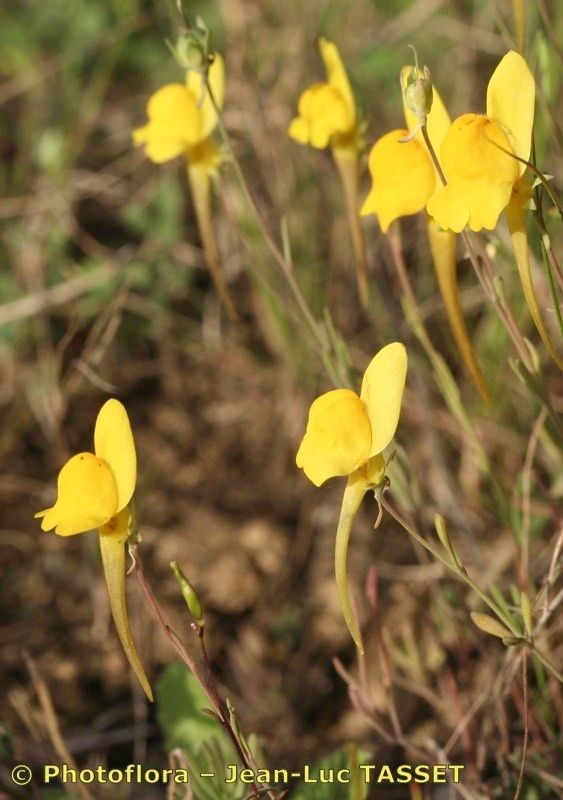
Oh, hello there! Pull up a chair and let’s chat about one of my absolute garden favorites: Linaria oligantha. If you’ve ever seen these delicate, snapdragon-like flowers nodding in the breeze, you’ll understand why I’m so smitten. Their dainty blooms, often in cheerful shades of purple, pink, or white, add such a lovely, whimsical touch to borders and containers. And the best part? They are wonderfully rewarding to propagate. For those just starting their gardening journey, I’d say Linaria oligantha is a very forgiving plant, making it a fantastic choice for your first propagation adventure.
The Best Time to Start
When it comes to getting the most bang for your buck (or rather, your cutting!), the sweet spot for propagating Linaria oligantha is typically in late spring or early summer. This is when the plant has put on good growth, and the stems are tender but not too soft. You’re looking for stems that have already bloomed or are just about to, as they’ve really got their energy going.
Supplies You’ll Need
Before we get our hands dirty, let’s gather our tools. A well-prepared station makes all the difference!
- Sharp pruning shears or a clean craft knife.
- A well-draining potting mix. I like a blend of equal parts peat moss, perlite, and a little bit of compost.
- Small pots or seed trays with drainage holes.
- A plastic bag or humidity dome to create a mini greenhouse.
- Rooting hormone (optional, but it can give you a nice boost).
- A watering can with a fine rose for gentle watering.
Propagation Methods
Let’s get down to business! I find stem cuttings to be the most reliable method for Linaria oligantha.
Stem Cuttings:
- Select your stems: Look for healthy, non-flowering stems that are about 3-4 inches long. Gently bend a stem; if it snaps cleanly, it’s a good candidate. If it’s too floppy or woody, it’s probably not ideal.
- Make the cut: Using your clean shears or knife, make a cut just below a leaf node (where a leaf attaches to the stem). This is where the magic happens and roots tend to form.
- Prepare the cutting: Carefully remove the lower leaves from the stem, leaving only the top two or three. This prevents them from rotting in the soil. If you’re using rooting hormone, dip the cut end into it now.
- Plant your cuttings: Moisten your potting mix slightly, then gently insert the cuttings into the soil, ensuring the leaf nodes are buried. Give them a little wiggle to make sure they’re snug.
- Create a humid environment: Water very gently, then cover the pots with a plastic bag or a humidity dome. You want to create a miniature greenhouse to keep things moist. Place them in a bright spot, but avoid direct sunlight, as this can scorch the tender cuttings.
The “Secret Sauce” (Pro Tips)
Here are a couple of tricks I’ve picked up over the years that often make a big difference:
- Don’t let those leaves touch the water (if you were to try water propagation): While I prefer soil for Linaria oligantha, if you ever try other plants in water, remember that submerged leaves will rot, inviting disease. Always keep them above the waterline. For stem cuttings in soil, this principle applies to keeping leaves away from excess moisture that can pool at the bottom of the pot.
- A little warmth goes a long way: If you’re propagating during a cooler spell, placing your pots on a warm windowsill or a heated propagation mat can significantly speed up root development. It mimics the warmth of spring soil perfectly.
Aftercare & Troubleshooting
Once you’ve spotted new growth or a gentle tug reveals that your cutting is firm in the soil (that’s your sign of roots!), it’s time for a little TLC.
Gradually remove the plastic bag or humidity dome over a few days to acclimate your new plant to normal humidity. Continue to water gently, letting the top inch of soil dry out between waterings. Avoid overwatering, as this is the quickest way to invite root rot, which often shows up as wilting, yellowing leaves, or a slimy stem base. If you see signs of rot, unfortunately, that cutting is likely lost, but don’t despair! Just try again.
A Little Patience, A Lot of Joy
Propagating plants is a beautiful dance with nature, and it always takes a little patience. Don’t be discouraged if not every cutting takes. Each attempt is a learning experience. Enjoy the process of nurturing these tiny new lives, and soon you’ll have a whole garden of cheerful Linaria oligantha to share! Happy gardening!
Resource:
https://identify.plantnet.org/k-world-flora/species/Linaria%20oligantha%20Lange/data