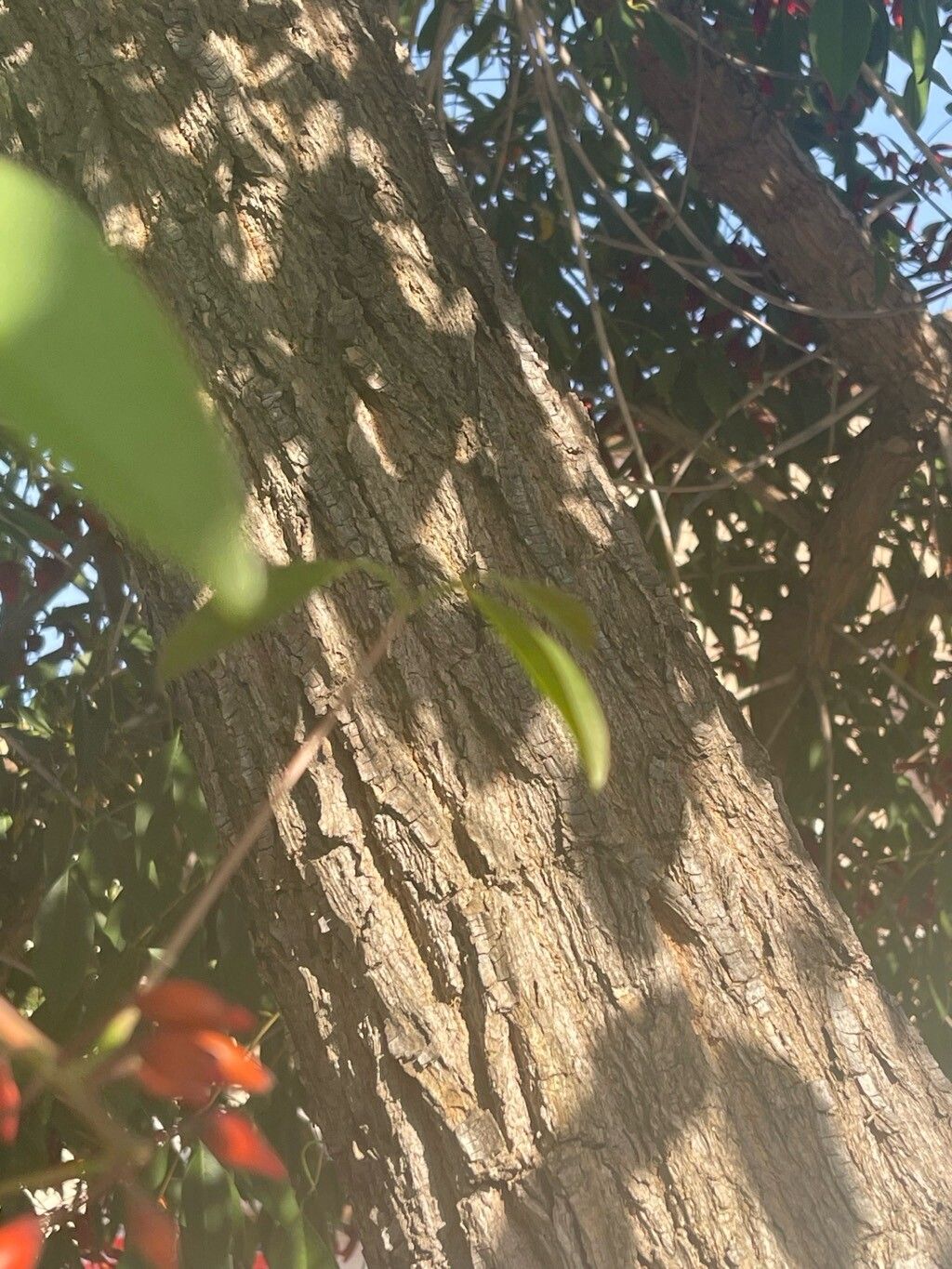
Hello, fellow plant lovers! There’s something truly special about multiplying the plants we adore. And when it comes to the magnificent Erythrina crista-galli, also known as the Cockspur Coral Tree, propagating it is an extra joyful endeavor. Its stunning crimson blooms are a showstopper, and imagine having more of these beauties to grace your garden or share with friends! Now, I’ll be honest, while not impossible, Erythrina crista-galli can be a little tricky for absolute beginners. But with a good understanding of its needs and a touch of patience, you’ll absolutely be able to succeed. Let’s dive in!
The Best Time to Start
For the highest success rate with propagating Erythrina crista-galli, you’ll want to work with them during their active growth period. This typically means late spring to early summer, after the risk of frost has passed and the plant is really getting going. You’re looking for healthy, new growth that’s not too soft and leggy, but also not overly woody.
Supplies You’ll Need
Gathering your supplies beforehand makes the whole process smoother. Here’s what I usually have on hand:
- Sharp Pruning Shears or a Clean Knife: For taking clean cuttings.
- Rooting Hormone: A powder or gel helps encourage root development.
- Well-Draining Potting Mix: I like a blend of equal parts perlite, coarse sand, and peat moss. A good quality cactus or succulent mix can also work well.
- Small Pots or Trays: Clean pots are essential to prevent disease.
- Clear Plastic Bag or Dome: To create a humid environment.
- Watering Can with a Fine Rose: For gentle watering.
- Optional: Heat Mat: For providing bottom warmth.
Propagation Methods: Let’s Get Our Hands Dirty!
There are a couple of excellent ways to get more Erythrina crista-galli starting from your existing plant.
Stem Cuttings
This is my go-to method for this striking tree.
- Take Your Cuttings: On a nice day in late spring or early summer, select healthy, semi-hardwood stems. Look for pieces that are about 6-10 inches long and have at least two sets of leaves. Use your sharp shears to make a clean cut just below a leaf node (where a leaf attaches to the stem). Remove the lower leaves, leaving just a couple at the top.
- Apply Rooting Hormone: Dip the cut end of each stem into rooting hormone, tapping off any excess. This isn’t strictly mandatory, but it definitely gives your cuttings a better chance.
- Plant Your Cuttings: Fill your clean pots with the well-draining potting mix. Make a hole in the center of each pot using a pencil or your finger. Gently insert the cutting into the hole, ensuring the leaf nodes are buried in the soil. Firm the soil gently around the stem.
- Water Gently: Water the potting mix thoroughly but avoid waterlogging.
- Create Humidity: Cover the pot with a clear plastic bag or a propagator lid. This seals in moisture, which is crucial for cuttings to root. You can use stakes to keep the bag from touching the leaves.
Seed Propagation (If you’re lucky enough to have seeds!)
If you happen to have seed pods, propagating from seed is also an option, though it can take longer.
- Scarify the Seeds: Erythrina seeds have a hard coat. To help them germinate, you’ll need to scarify them. You can do this by gently nicking the seed coat with a file or sandpaper, being careful not to damage the embryo inside. Another method is to soak them in hot water overnight.
- Soak the Seeds: After scarifying, soak the seeds in warm water for 24 hours. Discard any seeds that float, as they are likely not viable.
- Plant Your Seeds: Plant the soaked seeds about ½ inch deep in your well-draining potting mix.
- Provide Warmth and Light: Keep the soil consistently moist and place the pot in a warm, bright location. A heat mat can be very beneficial here.
The “Secret Sauce” (Pro Tips)
Here are a few things I’ve learned over the years that really make a difference:
- Bottom Heat is Your Friend: Erythrina crista-galli really benefits from a bit of warmth from below. Using a heat mat under your pots can significantly speed up root development for cuttings. It mimics the warmth of spring and signals the plant to get growing.
- Don’t Overwater the Cuttings: This is probably the most common mistake. While they need moisture, soggy soil is a fast track to rot. Allow the top inch of soil to dry slightly between waterings, but don’t let the cuttings wilt.
- Freshness Matters: When taking stem cuttings, try to plant them as soon as possible after taking them. The longer they are out of the parent plant, the more stressed they become, and the harder it is for them to root.
Aftercare & Troubleshooting
Once you start seeing new growth on your cuttings, congratulations! That’s a good sign roots are forming.
- Introduce to Air Gradually: If you’ve used a plastic bag or dome, gradually acclimate your cuttings to drier air by opening the bag a little more each day over a week.
- Transplanting: Once your cuttings have a decent root system (you’ll see roots coming out of the drainage holes or feel some resistance when gently tugging), it’s time to transplant them into individual pots. Continue to use your well-draining mix.
- Signs of Failure: The most common issue is rot, which usually appears as a black, mushy stem where it meets the soil. This is almost always due to overwatering or poor drainage. If you see this, it’s best to discard the affected cutting to prevent it from spreading. Damping off, a fungal disease that causes seedlings to collapse at the soil line, can also occur with seeds or very young cuttings if conditions are too wet.
A Few More Encouraging Words
Growing new plants is a journey, and with Erythrina crista-galli, it’s a rewarding one. There will be times when a cutting doesn’t take, and that’s perfectly okay! Every gardener has those moments. The key is to learn from it, try again, and enjoy the process of nurturing new life. Happy propagating!
Resource:
https://identify.plantnet.org/k-world-flora/species/Erythrina%20crista-galli%20L./data