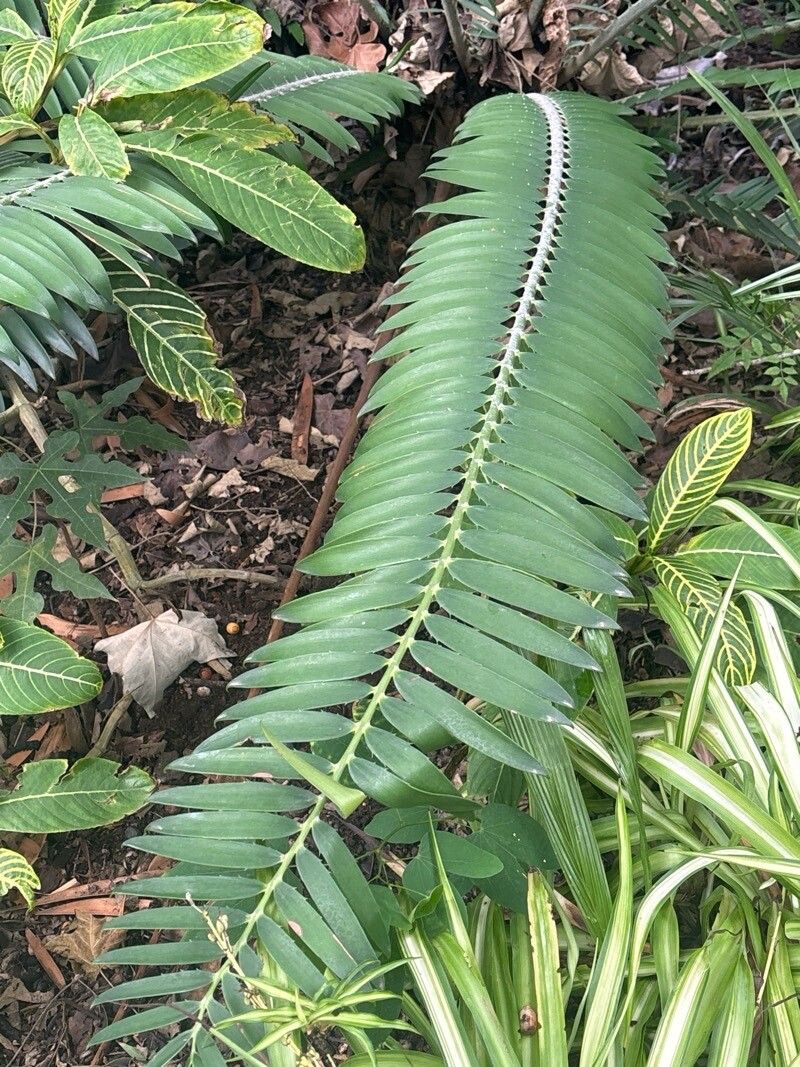
Oh, hello there! Pull up a chair, I’ve got a fresh pot of coffee brewing. Today, we’re diving into the wonderful world of a truly magnificent plant: Encephalartos manikensis, often called the Manikens cycad.
Bringing More Manikens Home: Your Guide to Propagating This Gem
There’s something about the rugged, ancient beauty of cycads that really speaks to me. Encephalartos manikensis is no exception, with its striking, architectural form and that lovely, almost prehistoric vibe. Propagating one yourself is such a rewarding experience. You get to witness that spark of new life and, of course, have more of these stunners to admire. Now, I won’t lie to you – propagating cycads from scratch can be a bit of a challenge, especially for complete beginners. But with a little patience and the right approach, it’s absolutely doable, and I’m here to guide you every step of the way!
When to Get Your Hands Dirty: The Best Time to Start
The absolute prime time to think about propagating Encephalartos manikensis is during their active growing season. For most of us, this means spring and summer. You want to see that vigorous new growth. If you’re looking to propagate from a mature plant that naturally produces offsets (those little baby plants that emerge around the base), the ideal time to carefully remove them is when they have developed some of their own root system, usually in the warmer months.
Your Essential Toolkit: Supplies You’ll Need
Before we get started, let’s make sure you have everything ready. It always makes things go smoother when you’re prepared.
- Sharp, sterile pruning shears or a clean, sharp knife: For making clean cuts. Sterilize with rubbing alcohol between cuts!
- Rooting hormone powder or gel: Especially helpful for cuttings. Look for one formulated for woody plants.
- Well-draining potting mix: A custom blend is best. Think about 2 parts coarse sand, 1 part perlite, and 1 part good quality compost or coco coir.
- Small pots or propagation trays: With drainage holes, of course.
- Gravel or small stones: For the bottom of pots to aid drainage.
- A spray bottle: For gently misting.
- Patience! This is the most crucial tool.
Nurturing New Life: Propagation Methods
Encephalartos manikensis is most commonly propagated through two main methods: from offsets and from stem cuttings. Seed propagation is possible but takes a very, very long time and can be quite hit-or-miss.
Method 1: Working with Offsets (The Easiest Route)
This is generally the most successful and straightforward way to propagate your Manikens cycad. You’re essentially separating a baby plant that the mother plant has already started for you.
- Inspect the Mother Plant: Look for those smaller, baby plants (offsets or pups) that have emerged from the base of your mature Encephalartos manikensis. You want to choose an offset that has already developed a decent size and, ideally, shows signs of its own root development.
- Prepare Your Workspace: Clear away any surrounding soil or debris.
- Carefully Detach the Offset: This is the delicate part. Using your sterile pruning shears or knife, gently cut the offset away from the mother plant. Try to get as many of its own roots as possible. If it’s a stubborn one, you might need to dig around it a bit to loosen it.
- Let it Callus: Once detached, allow the cut surface of the offset to air dry and form a callus for a few days to a week. This is crucial to prevent rot. You can place it in a dry, shaded, well-ventilated spot.
- Plant the Offset: Fill a small pot with your well-draining potting mix. Make a small depression in the center and place the callused offset in it. Gently firm the mix around the base.
- Initial Watering: Water very sparingly at first. You don’t want to drown it, just provide a little moisture to encourage root growth.
Method 2: Propagating from Stem Cuttings (A Bit More Advanced)
This method involves taking a piece of the main stem and encouraging it to root. It requires more patience and a bit more care.
- Select a Healthy Stem: Choose a mature, healthy stem from your Encephalartos manikensis. It should be firm and free from any signs of disease or damage.
- Make the Cut: Using your sterile shears or knife, make a clean cut to remove a section of the stem. Aim for a piece that is at least 6-8 inches long. Remove any leaves from the lower portion of the cutting.
- Apply Rooting Hormone: Dip the cut end of the stem into rooting hormone powder or gel. Tap off any excess.
- Pot the Cutting: Fill a pot with your well-draining potting mix. Make a hole in the center deep enough to accommodate the cut end. Insert the cutting firmly into the mix, ensuring good contact.
- Provide Support (if needed): If the cutting is top-heavy, you might need to stake it to keep it upright.
- Water Sparingly and Cover: Water the soil lightly. To create a humid environment, you can cover the pot with a clear plastic bag or place it in a propagation chamber. Make sure the leaves do not touch the plastic.
The “Secret Sauce”: Insider Tips from My Garden
Over the years, I’ve picked up a few tricks that have really upped my success rate with these beautiful plants.
- Don’t Be Afraid of a Little Air: When propagating from cuttings, absolutely ensure good air circulation around the planting medium. Stagnant, damp air is the enemy of developing roots and a fast track to rot. If you’re using a plastic bag, open it daily for a few minutes.
- Bottom Heat is Your Friend: For stem cuttings in particular, providing gentle bottom heat can significantly speed up root development. A seedling heat mat placed underneath the pot helps create the perfect warm microclimate for those roots to emerge. It’s like giving them a cozy little incubator!
- The “Damp, Not Drenched” Philosophy: This is a golden rule for newly planted cycads. They hate sitting in soggy soil. Think consistently moist, but never waterlogged. You should be able to gently squeeze a handful of the mix and only have a drop or two of water come out.
Life After Roots: Aftercare & Troubleshooting
Once you see signs of progress – a little new growth emerging or a gentle tug on the cutting that meets resistance (indicating roots!) – it’s time to adjust your care.
- Gradual Acclimation: If you’ve been using a humidity cover, gradually introduce your new plant to the ambient air over a week or two. Open the cover a little more each day.
- Light and Water: Place your new cycad in a spot with bright, indirect light. As it establishes, you can slowly increase the light levels. Continue to water sparingly, allowing the top inch of soil to dry out between waterings.
- Watch for Rot: The biggest adversary for young cycads is root rot. Signs include a mushy stem base, yellowing leaves that quickly turn black, or a foul smell from the soil. If you suspect rot, you may need to unpot the plant, trim away any rotted parts with your sterile knife, and potentially repot into fresh, dry, well-draining mix. Sometimes, you can save them, but it’s a race against time. Yellowing leaves that slowly dry out without becoming black and mushy can indicate it’s just adjusting – don’t panic too soon!
Enjoy the Journey!
Propagating Encephalartos manikensis is a little bit of an art, a little bit of science, and a whole lot of patience. Don’t be discouraged if your first attempt isn’t a runaway success. Every gardener learns from their experiences. The joy of nurturing a new life and watching it grow into a magnificent specimen is truly unparalleled. So, be gentle, be observant, and most importantly, enjoy the process of bringing more of these ancient beauties into your garden!
Resource: