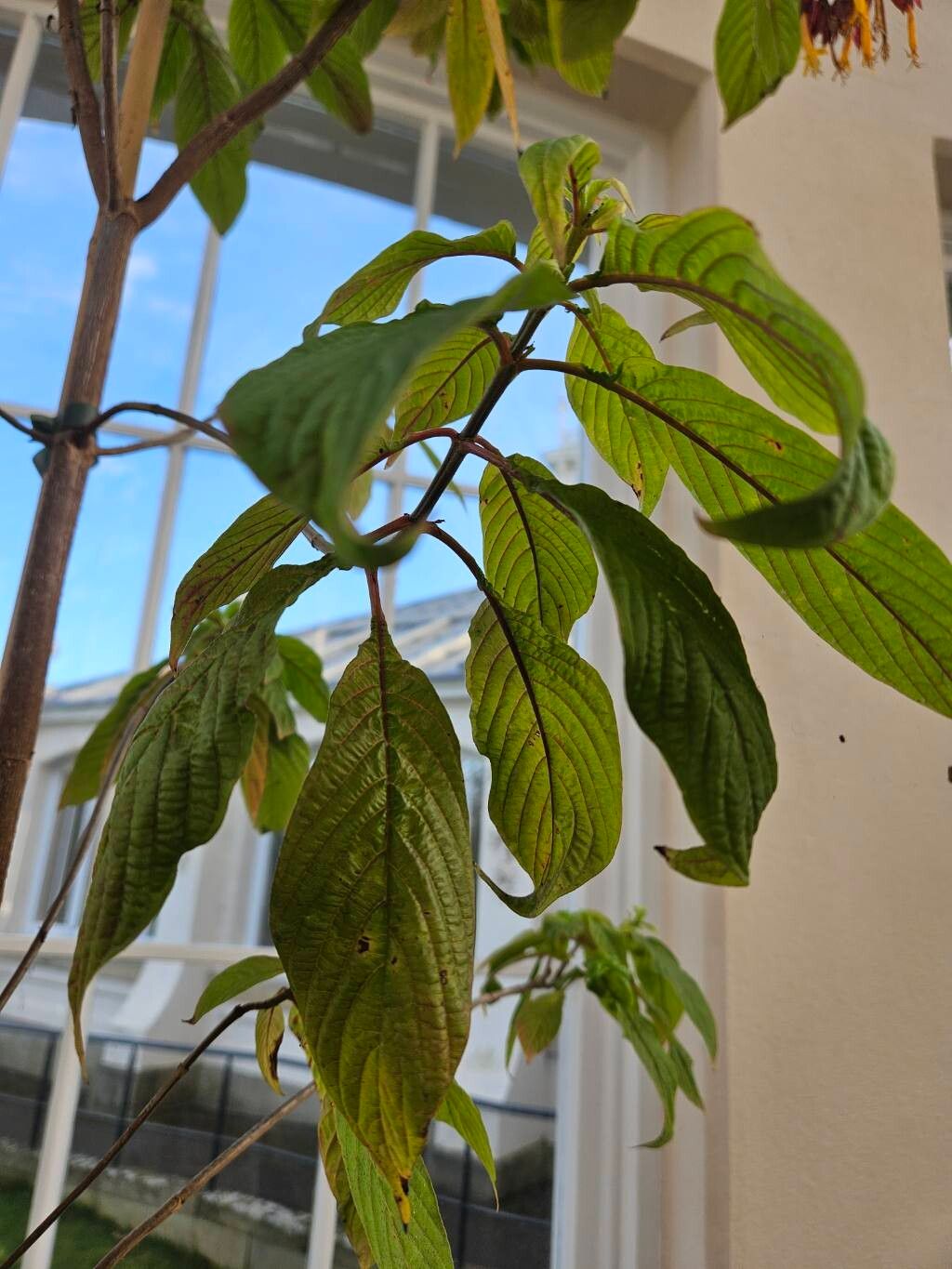
Well hello there, fellow plant enthusiast! I’m so thrilled you’ve come across Deppea splendens, or as some of us affectionately call it, the “splendid dewdrop.” If you’ve ever seen this beauty gracing a garden or a conservatory, its vibrant, bell-shaped flowers and lush foliage likely captured your heart. Growing it is a joy, but the real magic for me? It’s coaxing new life from an existing plant. Propagating Deppea splendens is incredibly rewarding, a chance to multiply that beauty and share it with others. For those just starting out, I’d say it’s moderately challenging – not impossible, but it requires a bit of attentiveness. Don’t let that deter you, though; we’ll walk through it together.
The Best Time to Start
When it comes to getting those new cuttings to take root, spring and early summer are your golden windows. This is when Deppea splendens is in its most vigorous growth phase. The young, tender stems have the most energy to put towards developing those crucial roots. Trying to propagate in the dead of winter when the plant is dormant is a recipe for disappointment, so plan your propagation efforts accordingly.
Supplies You’ll Need
Before we get our hands dirty, let’s gather our toolkit. Having everything ready will make the process so much smoother:
- Sharp, clean pruning shears or a sharp knife: I always opt for clean tools to prevent disease transmission.
- Pots (4-6 inch): Small to medium-sized pots with good drainage holes are perfect.
- Well-draining potting mix: A blend of peat moss, perlite, and a bit of compost works wonderfully. You can also find specific propagation mixes that are excellent.
- Rooting hormone powder or gel: This isn’t strictly necessary for Deppea splendens, but it can significantly increase your success rate, especially for beginners.
- Plastic bags or a propagation dome: To create a humid environment for your cuttings.
- Watering can or spray bottle: For gentle watering.
- Labels: To keep track of your precious little propagations!
Propagation Methods
I find stem cuttings to be the most successful and straightforward method for Deppea splendens. Let’s dive in!
Stem Cuttings:
- Take Your Cuttings: In the spring or early summer, look for healthy, non-flowering stems on your Deppea splendens. You’ll want to select stems that are a bit flexible but not brand new and floppy. Using your clean pruning shears or knife, take cuttings about 4-6 inches long. Make your cut just below a leaf node (where a leaf joins the stem).
- Prepare the Cuttings: Gently remove the lower leaves from your cuttings, leaving just a few at the top. This prevents them from rotting in the soil. If the leaves at the top are very large, you can even snip them in half to reduce water loss.
- Apply Rooting Hormone (Optional but Recommended): Dip the cut end of each stem into your rooting hormone. Give it a gentle tap to shake off any excess.
- Plant Your Cuttings: Fill your pots with your prepared potting mix. Make a hole in the center of the soil using your finger or a pencil. Insert the cut end of the stem into the hole, ensuring the leaf node is buried. Gently firm the soil around the stem.
- Water Gently: Water the soil thoroughly but gently. You don’t want to disturb the cuttings.
- Create Humidity: Cover each pot loosely with a clear plastic bag or place them under a propagation dome. This traps humidity, which is crucial for cuttings to root.
- Find a Suitable Spot: Place your potted cuttings in a location that receives bright, indirect light. Avoid direct sunlight, which can scorch the tender cuttings. A warm spot is also beneficial.
The “Secret Sauce” (Pro Tips)
Now for a couple of my little tricks that often make all the difference:
- Bottom Heat is Your Friend: If you have the space, placing your pots on a gentle heating mat (like those used for seed starting) can significantly speed up root development. The warmth encourages root growth from below.
- Don’t Be Afraid to Mist: Even with a plastic bag, a light misting of the leaves every few days can help keep them turgid while they’re waiting to root. Just a quick spritz with a spray bottle is enough.
- Observe, Don’t Disturb Too Soon: Resist the urge to tug on your cuttings to see if they’ve rooted! You’ll know they’re beginning to establish when you see new leaf growth appearing. Patience is key here.
Aftercare & Troubleshooting
Once you start to see signs of life – new leaves unfurling, which usually happens within 4-8 weeks – it’s time for a slight shift in care.
- Acclimatize: Gradually remove the plastic bag or dome over a few days. Start by opening it for an hour or two each day, then gradually increase the time until the plant is used to the ambient humidity.
- Watering: Continue to water when the top inch of soil feels dry. Avoid letting them sit in soggy soil, as this is a prime recipe for root rot, which is black, mushy roots and often a wilting, discolored stem.
- Light: Continue to provide bright, indirect light. As the plant grows stronger, you can gradually introduce it to a bit more direct morning sun if desired, but always watch for signs of scorching.
If you notice a cutting wilting and it’s not perking up after watering, and the leaves are looking unhealthy and yellowing, it might not have taken. This is where those clean tools and a well-draining mix are so important – they prevent the dreaded rot. Don’t get discouraged if some don’t make it; it’s part of the learning process!
There you have it! Propagating Deppea splendens is a truly beautiful way to engage with your plants on a deeper level. Be patient with your little green babies, give them the care they need, and you’ll be rewarded with more of those gorgeous blooms. Happy propagating!
Resource: