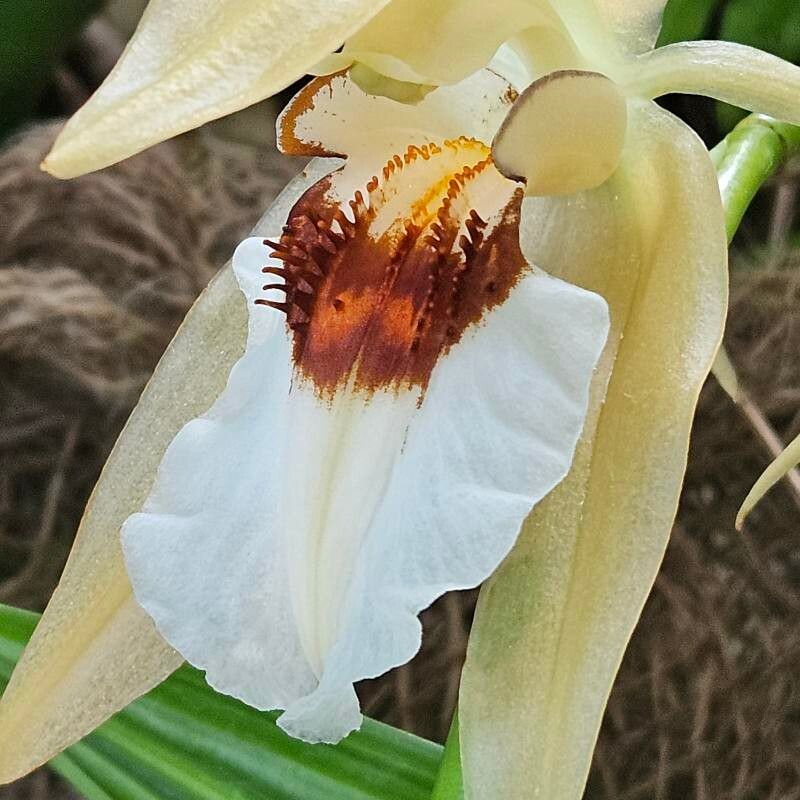
Oh, hello there! Welcome to my little corner of the internet. Today, we’re diving into the delightful world of Coelogyne speciosa, often called the “Beautiful Coelogyne.” If you’ve ever admired its stunning, fragrant blooms and wondered if you could grow more, you’re in the right place!
Why Propagate Coelogyne Speciosa?
These orchids are truly special. Their large, usually white or cream-colored flowers, often with intriguing brown or green markings, are a sight to behold. And the perfume! It’s often sweet and subtly spicy, making them a favorite for display. Propagating them is incredibly rewarding. Watching a tiny piece of your beloved plant grow into a specimen all its own? There’s nothing quite like it. Now, for the big question: is it easy? Honestly, Coelogyne speciosa can lean towards the more challenging side for absolute beginners compared to some of the more common orchids, but don’t let that deter you! With a little patience and the right approach, it’s absolutely achievable.
The Best Time to Start
Timing is everything, isn’t it? For Coelogyne speciosa, the sweet spot for propagation is after the plant has finished flowering and is entering its active growing season. This usually means late spring or early summer for many of us. You’ll see new growth – those little nubs called pseudobulbs – starting to plump up. This is when the plant has the most energy to dedicate to creating new roots and shoots.
Supplies You’ll Need
Gathering your tools beforehand makes the whole process smoother. Here’s what I always have on hand:
- Sharp, sterile pruning shears or a clean knife: For making precise cuts. Sterilize with rubbing alcohol between uses.
- Orchid potting mix: A well-draining, airy mix is crucial. I like a blend of bark chips, perlite, and a bit of horticultural charcoal. You can buy pre-made orchid mixes or create your own.
- Small pots or individual containers: Clean, with good drainage holes.
- Optional: Rooting hormone: While not strictly essential for division, it can give cuttings a little boost.
- Watering can or mister: For gentle watering.
- Labels and a permanent marker: To keep track of what you’ve potted and when.
Propagation Methods: Let’s Get Our Hands Dirty!
The most reliable and common way to propagate Coelogyne speciosa is through division. These orchids tend to grow in clumps, and separating these clumps is how we create new plants.
Division
- Gently Remove the Orchid: Carefully ease your Coelogyne speciosa out of its pot. If it’s stuck, you might need to gently loosen the old potting mix with your fingers or even carefully run a knife around the edges.
- Clean and Inspect: Gently shake off as much of the old potting mix as you can. This allows you to see the root structure and how the pseudobulbs are connected. Look for healthy pseudobulbs that have at least two or three healthy leaves attached. You also want to see signs of active root growth.
- Make the Cut: Using your sterile shears or knife, carefully cut between the pseudobulbs. Aim to create divisions that have a good balance of pseudobulbs and healthy roots. Try not to damage the roots more than necessary. If you’re struggling to find a natural separation point, it’s okay to make a cut through the rhizome (the woody stem connecting the pseudobulbs).
- Potting Up: Place each division into its own clean pot. Fill the pot with your fresh orchid mix, ensuring the pseudobulbs are sitting on top of the mix, not buried. Gently firm the mix around the roots.
- Water (Sparingly at First): Don’t drench them immediately. A light watering or misting after potting is usually enough. You want the roots to be a bit dry to start, encouraging them to seek out moisture.
The “Secret Sauce” (Pro Tips!)
Here are a few tricks I’ve learned over the years that can make all the difference:
- Don’t Overcrowd: When dividing, it’s tempting to try and make as many plants as possible. However, each division needs enough strength to establish itself. Aim for divisions with at least two to three strong pseudobulbs and a decent root system. Smaller divisions may struggle.
- Bottom Heat is Your Friend: Coelogyne speciosa loves a little warmth, especially when trying to root. Placing your newly potted divisions on a heat mat designed for seedlings or orchids can significantly speed up root development. Just make sure it’s not too hot, a gentle warmth is what we’re after.
- Patience with Watering: After dividing, the plant doesn’t have a fully established root system to absorb a lot of water. Allow the potting mix to dry out a bit between waterings. Overwatering at this stage is the fastest way to invite rot. Monitor the leaves; if they start to look a little leathery, it’s time for a drink.
Aftercare & Troubleshooting
Once your divisions are potted and settled, it’s time for watchful waiting.
- Light: Place your new plants in bright, indirect light. Avoid direct sun, which can scorch their leaves.
- Watering: As I mentioned, water less frequently than you would a mature, established plant. Check the pot by lifting it; when it feels light, it’s time to water. You can also check the root tips; if they are green, they are healthy and hydrated. If they turn brown and mushy, you may be overwatering.
- Humidity: Orchids love humidity. Misting the air around the plants (not directly on the leaves if you can avoid it, to prevent fungal issues) can be beneficial, especially in dry environments.
Common Signs of Failure: The most common culprit is rot. This usually shows up as soft, dark, mushy areas on the pseudobulbs or roots. If you see this, act fast! You may need to unpot the plant, cut away the rotten parts with a sterile knife, and repot in fresh, dry mix. Unfortunately, rot can be aggressive, and sometimes a division is too far gone.
A Little Encouragement
Propagating orchids can be a journey. There might be a few hiccups along the way, and that’s perfectly okay. Celebrate the small victories – a new root emerging, a tiny leaf unfurling. Trust your instincts, observe your plants, and enjoy the process of coaxing new life from your beautiful Coelogyne speciosa. Happy growing!
Resource:
https://identify.plantnet.org/k-world-flora/species/Coelogyne%20speciosa%20(Blume)%20Lindl./data