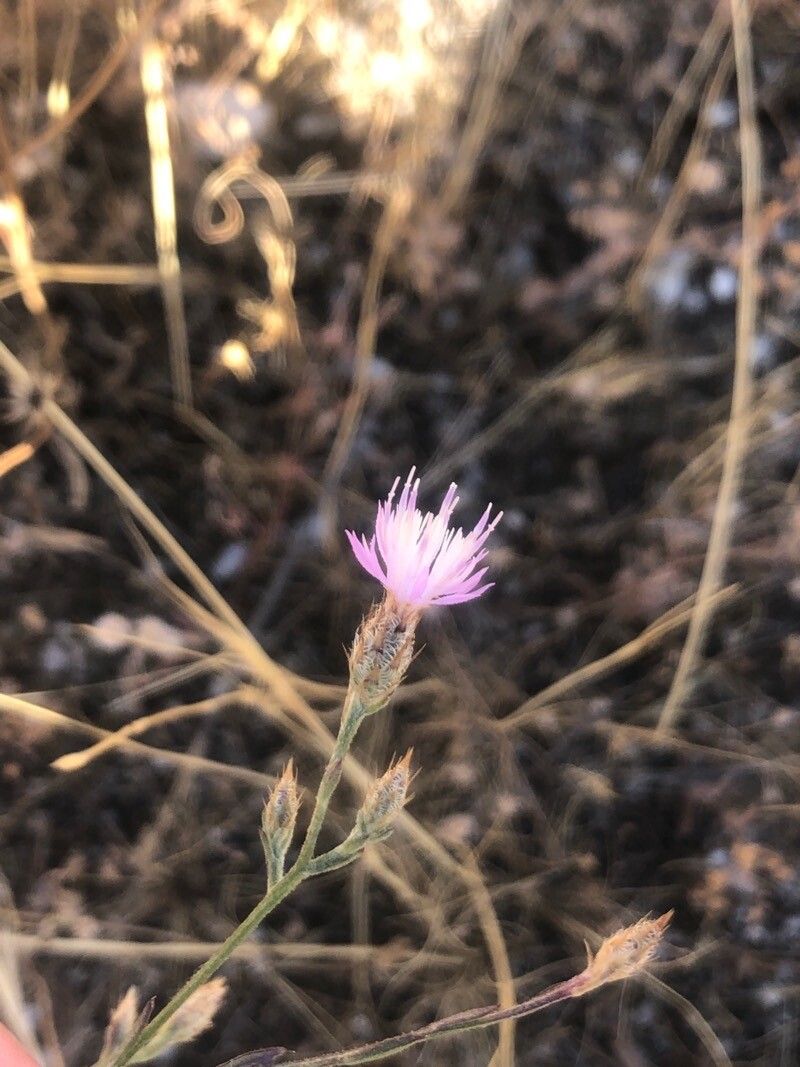
Well hello there, fellow garden enthusiasts! Today, we’re diving into the wonderful world of propagating Centaurea aristata, that delightful thistle with the spiky bracts and cheerful blooms. If you’ve ever admired its architectural beauty and thought, “I wish I had more of those!”, you’re in for a treat. Growing new plants from existing ones isn’t just about expanding your garden; it’s about connection, about learning the plant’s secrets, and let me tell you, it’s incredibly satisfying. For Centaurea aristata, propagation is generally quite achievable, even for those just dipping their toes into the world of plant babies.
The Best Time to Start
Timing is everything in the garden, isn’t it? For Centaurea aristata, the sweet spot for propagation is usually in late spring or early summer. This is when the plant is actively growing and has plenty of energy to put into developing new roots. You’ll want to look for healthy, new growth – think stems that are firm but not woody. Avoid trying to propagate from older, established stems.
Supplies You’ll Need
Gathering your supplies beforehand makes the whole process smoother. Here’s what you’ll want to have on hand:
- Sharp Pruning Shears or a Knife: Clean cuts are vital, so make sure your tools are sterilized. A quick wipe with rubbing alcohol does the trick.
- Rooting Hormone (Optional but Recommended): This isn’t always strictly necessary for Centaurea aristata, but it can significantly boost your success rate, especially if you’re a beginner. Look for a powder or gel.
- Potting Mix: A well-draining, sterile potting mix is crucial. I like to use a blend specifically formulated for cuttings, or you can create your own by mixing equal parts perlite and coco coir or peat moss with a little compost.
- Small Pots or Seedling Trays: Clean pots are a must to prevent disease.
- Plastic Bags or a propagator: To create a humid environment for your cuttings.
- Labeling Stakes: So you don’t forget what you’ve planted where!
Propagation Methods
For Centaurea aristata, stem cuttings are my go-to method. It’s reliable and gives you a good chance of success.
- Take Your Cuttings: Select healthy, non-flowering stems. Using your clean shears, make a cut just below a leaf node (where a leaf attaches to the stem). Aim for cuttings that are about 4-6 inches long. Remove the lower leaves, leaving just two or three at the top.
- Prepare the Cuttings: If you’re using rooting hormone, dip the cut end of each stem into the powder or gel, tapping off any excess.
- Plant Your Cuttings: Fill your clean pots with your prepared potting mix and lightly moisten it. Make a small hole in the center of the soil with your finger or a pencil. Insert the cut end of the stem into the hole, making sure it’s firm in the soil. Gently firm the soil around the base.
- Create a Humid Environment: Water the soil gently once more. Then, cover the pot with a clear plastic bag, using stakes to keep the bag from touching the leaves, or place the pot inside a propagator. This traps moisture, which is essential for root development.
- Provide the Right Conditions: Place the pots in a bright spot that receives indirect sunlight. Avoid direct sun, as it can scorch the delicate cuttings.
The “Secret Sauce” (Pro Tips)
Here are a couple of little tricks that have helped me over the years:
One thing I always stress is don’t let the leaves of your cuttings touch the soil. If they sit in the damp soil, they’re much more prone to rot before they even have a chance to root. That’s why removing the lower leaves is so important, and using those stakes to keep the plastic bag up off your cuttings is a game-changer.
Secondly, for a little extra encouragement, consider bottom heat. If you have a seedling heat mat, placing your pots on it can speed up root formation considerably. The warmth encourages the plant to send out roots more readily. It’s not strictly required, but it’s a nice boost!
Aftercare & Troubleshooting
Once your cuttings are planted, the waiting game begins. Keep the soil consistently moist but not waterlogged. Check the humidity under the plastic bag or propagator daily – if you see condensation, vent it for a bit.
You’ll know your cuttings have rooted when you see new leaf growth, or when you gently tug on a cutting and feel resistance. This can take anywhere from 3-6 weeks, sometimes longer. Once roots are established, you can gradually acclimatize them to normal room humidity by removing the plastic bag or opening the propagator for longer periods each day. Then, it’s time to transplant them into their own small pots.
The most common sign of trouble is rot. If your cuttings turn mushy, black, or start to fall apart, it’s usually a sign of too much moisture and not enough air circulation. If you catch it early, you might be able to save a cutting by trimming away the rotten parts and repotting it in fresh, dry soil. Sometimes, though, it’s just part of the learning process. Don’t be discouraged!
A Encouraging Closing
Propagating plants is a journey of patience and observation. Each cutting is a little experiment, and there’s so much joy in watching those tiny roots unfurl and new growth emerge. So gather your supplies, take those cuttings with confidence, and embrace the process. You’ve got this, and soon you’ll have a whole patch of these gorgeous Centaurea aristata to enjoy! Happy gardening!
Resource: