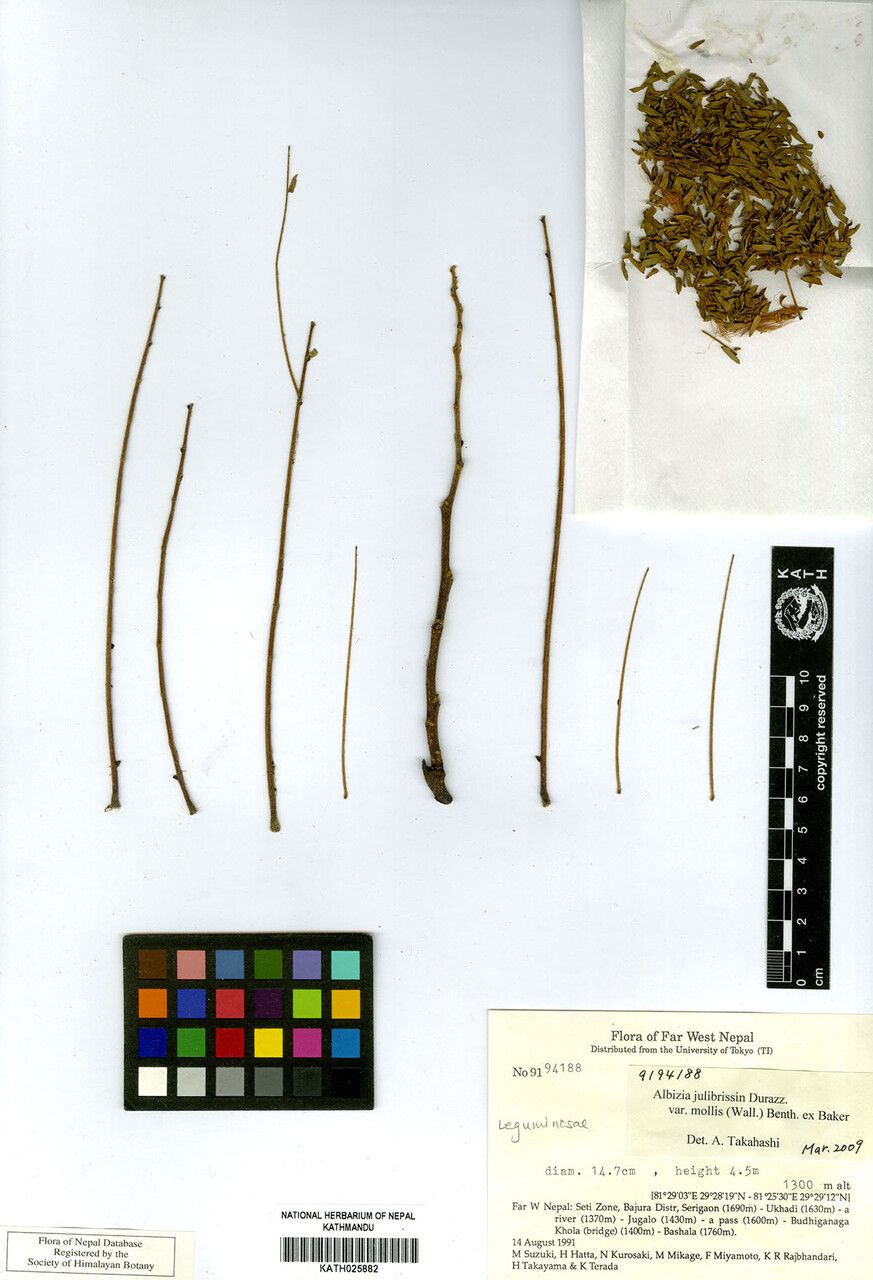
Hello fellow plant lovers! Today, we’re diving into the world of Archidendron molle, affectionately known as the smooth-barked lacepod. If you’re drawn to its elegant, feathery foliage and striking seed pods that look like miniature sculpted flowers, you’re in for a treat. The joy of successfully propagating a plant like this, watching a tiny cutting transform into a flourishing specimen, is truly special. And while Archidendron molle isn’t exactly a “slap-it-in-the-ground-and-forget-it” kind of plant, with a little patience and the right approach, it’s definitely within reach for the adventurous beginner!
The Best Time to Start
For the best chance of success with propagating Archidendron molle, I always lean towards spring or early summer. This is when the plant is actively waking up from its winter rest and generating lots of new, vigorous growth. Young, supple stems have a better ability to root than older, woody branches. Think of it as tapping into the plant’s youthful energy – everything just seems to cooperate better then!
Supplies You’ll Need
Before we get our hands dirty, let’s gather our arsenal:
- Clean, sharp pruning shears or a knife: Essential for making clean cuts that heal and root more effectively.
- Rooting hormone (powder or gel): This isn’t always strictly necessary, but it gives your cuttings a significant boost. I find it especially helpful for plants that can be a bit finicky.
- Small pots or seed trays: Make sure they have drainage holes!
- A well-draining potting mix: I prefer a blend of peat moss or coco coir, perlite, and a bit of fine bark. This ensures good aeration and prevents waterlogging. Avoid heavy garden soil.
- Clear plastic bags or a propagator: This creates a humid microclimate around your cuttings, which is crucial for root development.
- Watering can or spray bottle: For gentle hydration.
Propagation Methods
Archidendron molle can be propagated through stem cuttings, which I find to be the most reliable method.
Stem Cuttings
- Select your mother plant: Find a healthy, actively growing Archidendron molle. Look for stems that are somewhat flexible but not too soft and floppy. These are often called “semi-hardwood” cuttings.
- Take your cuttings: Using your clean pruning shears, take cuttings about 4-6 inches long. Make your cut just below a leaf node (where a leaf attaches to the stem). This is where the magic happens for root formation.
- Prepare the cuttings: Gently strip off the lower leaves, leaving only the top two or three leaves. If the remaining leaves are very large, you can cut them in half horizontally to reduce water loss through transpiration.
- Apply rooting hormone: Dip the cut end of the stem into your rooting hormone, tapping off any excess.
- Pot them up: Fill your small pots with the well-draining potting mix and moisten it thoroughly. Make a hole in the center of the mix with your finger or a pencil.
- Insert the cuttings: Gently push the prepared cuttings into the holes, ensuring the rooting hormone-coated end is making good contact with the soil. Press the soil gently around the base of each cutting to secure it.
- Create humidity: Water the soil lightly. Then, cover the pots with a clear plastic bag, creating a mini greenhouse effect by propping it up with sticks or stakes so it doesn’t touch the leaves. Alternatively, place the pots inside a propagator.
- Placement: Position the pots in a bright spot, but out of direct, harsh sunlight. A warm, sheltered location is ideal.
The “Secret Sauce” (Pro Tips)
Here are a few tricks I’ve learned over the years that really make a difference:
- Think “clean”: Always use clean tools and pots. This minimizes the risk of introducing nasty pathogens that can cause rot and kill your young plants before they even get started. Sterilize your shears with rubbing alcohol between cuttings if you’re doing many.
- Bottom heat is your friend: If you have a heat mat or can place your propagator on a warm surface (like the top of a refrigerator), this can significantly speed up root development. Roots love warmth!
- Watch for condensation: Inside your plastic tent, you want to see a good amount of condensation. This tells you there’s enough humidity. If it gets too foggy, open the bag for an hour or so to allow for some airflow and prevent fungal issues.
Aftercare & Troubleshooting
Once your cuttings have developed roots, you’ll know they’re ready when they feel a gentle tug and resist coming out of the pot easily. You might also see tiny new leaves emerging.
Gently transplant them into slightly larger pots with your regular potting mix. Continue to keep them in bright, indirect light and keep the soil consistently moist but not waterlogged. Gradually introduce them to more normal household conditions over a few weeks.
The most common sign of failure is rot. If your cuttings turn black and mushy, or develop fuzzy white mold, it’s usually a sign of too much moisture and not enough airflow. Don’t be discouraged if some don’t make it; it’s all part of the learning process!
A Encouraging Closing
Propagating Archidendron molle is a journey. Be patient, observe your cuttings closely, and celebrate each tiny success. The satisfaction of nurturing a new plant from a simple cutting is one of gardening’s greatest rewards. Happy propagating!
Resource: