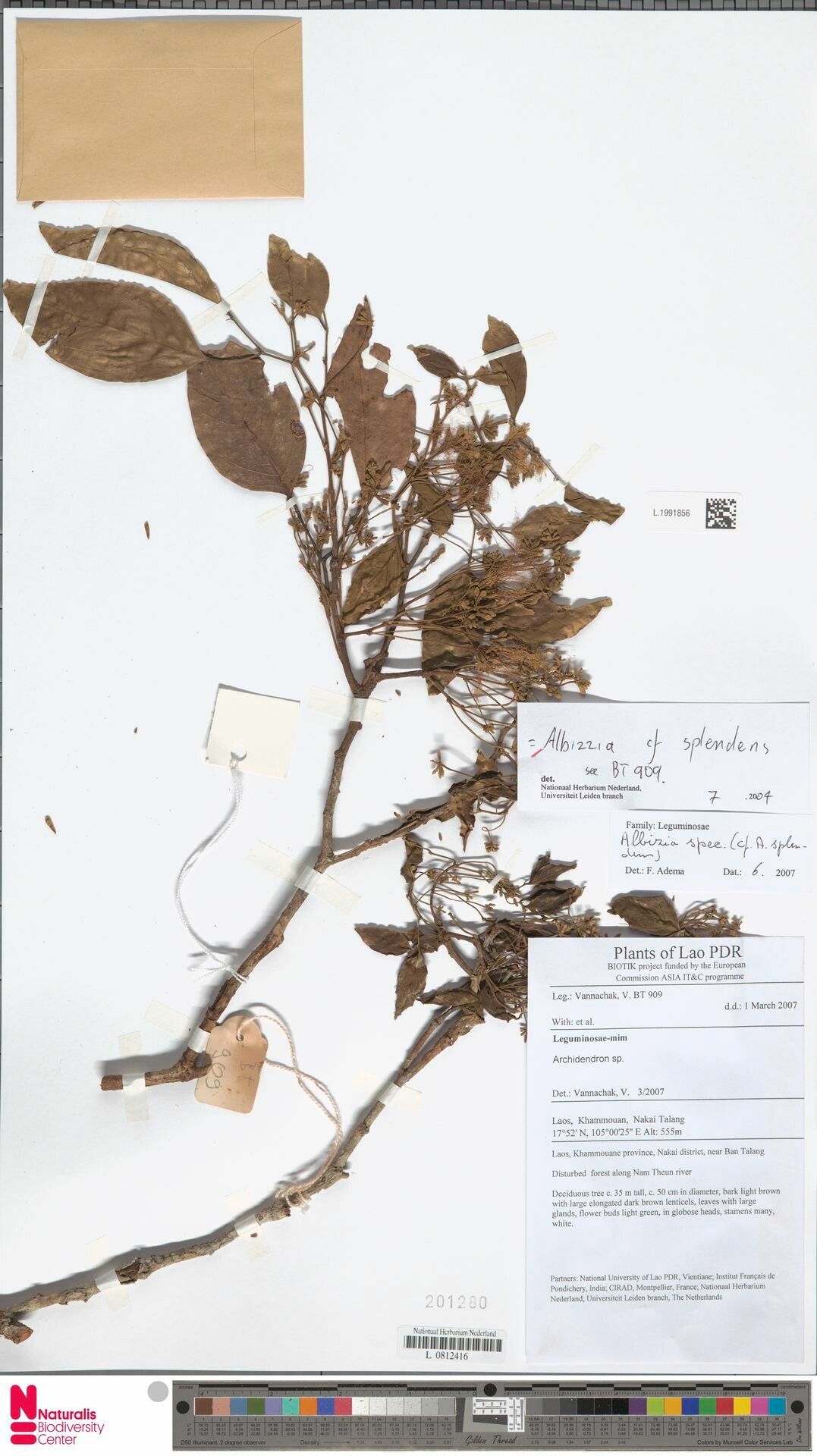
Oh, hello there! Pull up a chair and let’s chat about one of my absolute favorite trees: Albizia splendens, often called the Monkey Pod or Rain Tree. If you’ve ever seen its magnificent, umbrella-like canopy creating cool, shady havens or its intricate, feathery foliage, you know it’s a plant that just commands attention. Propagating one yourself? That’s a whole other level of rewarding. It’s a bit of a journey, yes, but not so daunting that it’s off-limits for beginners. With a little patience and know-how, you’ll be well on your way to a mini masterpiece.
The Best Time to Start
For Albizia splendens, I’ve found the sweet spot for propagation is late spring to early summer. This is when the plant is in full swing of its growth cycle. You’ll want to take cuttings from new, healthy, semi-hardwood growth. Think of branches that are flexible but not so soft they’ll easily snap – they’ve usually developed a bit of a woody texture but are still pliable.
Supplies You’ll Need
Here’s what I keep handy when I’m ready to get propagating:
- Sharp Pruning Shears or a Blade: For clean cuts.
- Rooting Hormone: A powder or gel will give your cuttings a significant boost.
- Potting Mix: A well-draining mix is crucial. I often use a blend of perlite, vermiculite, and peat moss, or a commercial seed-starting mix.
- Small Pots or Seedling Trays: With drainage holes, of course!
- Plastic Bags or a Propagator: To create a humid environment.
- Watering Can or Mister: For gentle watering.
- Optional: Heat Mat: This can significantly speed up root development.
Propagation Methods
While Albizia splendens can be grown from seed, I find stem cuttings to be the most successful and rewarding method for getting established plants. It often leads to a more predictable outcome.
Stem Cuttings
- Select Your Cuttings: Head out to your Albizia and look for those semi-hardwood stems I mentioned. You’re aiming for pieces about 6 to 8 inches long.
- Make the Cut: Using your clean shears or blade, make a clean cut just below a leaf node. A leaf node is where a leaf attaches to the stem; this is where roots are most likely to form.
- Prepare the Cutting: Gently remove the lower leaves from your cutting, leaving just a few at the top. This prevents them from rotting in the soil. If the remaining leaves are very large, you can even cut them in half to reduce water loss.
- Dip in Rooting Hormone: Moisten the cut end of your stem slightly with water, then dip it generously in your rooting hormone. Tap off any excess.
- Plant Your Cuttings: Fill your small pots or trays with your well-draining potting mix. Make a hole in the center with your finger or a pencil, then carefully insert the cutting, ensuring the rooting hormone-coated end is well covered by soil. Gently firm the soil around the stem.
- Water Gently: Water your cuttings thoroughly but avoid over-saturating the soil. You want it moist, not soggy.
- Create Humidity: This is key! Cover the pot with a plastic bag or place it in a propagator. Make sure the bag doesn’t touch the leaves too much. You might need to prop it up with stakes.
The “Secret Sauce” (Pro Tips)
Now for a couple of little tricks I’ve learned over the years that can really make a difference:
- Bottom Heat is Your Friend: Albizia roots love a bit of warmth to get things going. If you can, place your pots on a mild heat mat. It doesn’t need to be scorching, just consistently warm, around 70-75°F (21-24°C). This can dramatically speed up rooting.
- Watch for the “Wiggle Test”: When you think your cuttings might be rooted, give the stem a very gentle tug. If you feel slight resistance, it’s a good sign roots are forming. Don’t be too rough, though!
Aftercare & Troubleshooting
Once your cuttings have taken root – you might see new leaf growth appearing – it’s time for a slightly different watering routine.
- Gradual Acclimatization: Slowly introduce your new plants to drier air. Start by opening the plastic bag a little more each day for a week or so before removing it completely.
- Regular Watering: Continue to keep the soil consistently moist but not waterlogged. As the plants grow larger, you can gradually introduce them to more direct sunlight.
- Signs of Trouble: The most common issue you might encounter is rot. If your cuttings turn black and mushy, it’s a classic sign of too much moisture and not enough air circulation. Ditch the affected cuttings and ensure your soil is airy and your watering is more judicious next time. If you see leaves yellowing and dropping quickly, it might be a sign of shock or insufficient light, but often, this is just part of the process.
So there you have it! Propagating Albizia splendens is a wonderful way to share the beauty of these spectacular trees or simply to expand your own collection. Be patient with the process. Some cuttings will take faster than others, and that’s perfectly normal. Enjoy the quiet satisfaction of nurturing a new life from a tiny piece of your beloved tree. Happy gardening!
Resource:
https://identify.plantnet.org/k-world-flora/species/Albizia%20splendens%20Miq./data