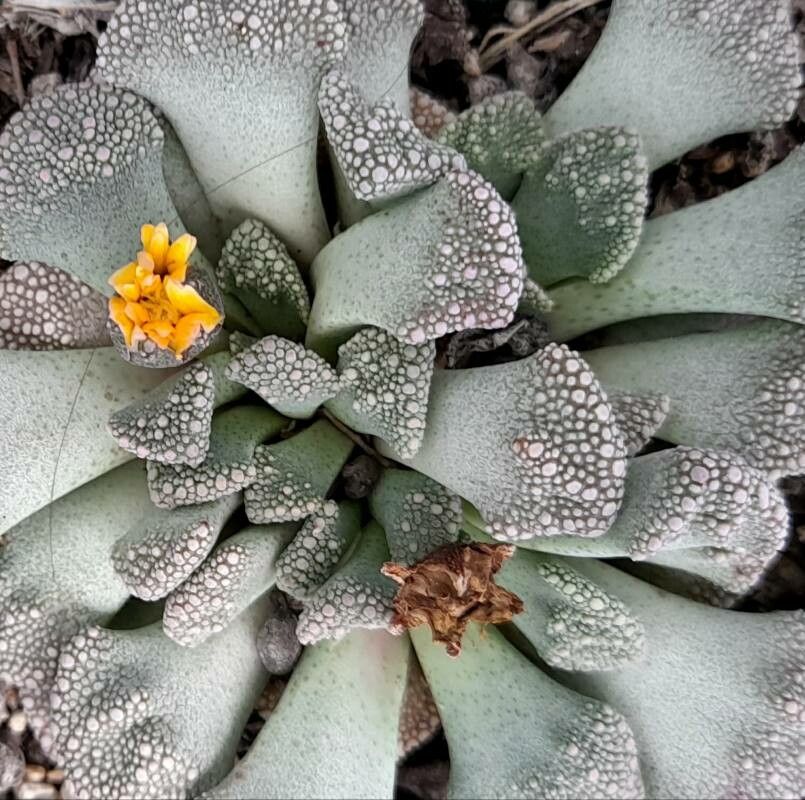
Hello, plant lovers! Today, we’re diving into the wonderfully quirky world of Titanopsis calcarea, sometimes called “Living Rocks.” If you’ve ever admired their fascinating, textured leaves that mimic stones, you’re not alone. Propagating these little gems is a truly rewarding experience, and while they might seem a bit shy, they’re actually quite forgiving once you get the hang of it. Think of it as a gentle introduction to propagating succulents – a delightful project for anyone, even if you’re just dipping your toes into the propagation pond.
The Best Time to Start
For Titanopsis calcarea, the green light for propagation is definitely spring and early summer. This is when the plant is actively growing, brimming with energy. You’ll find it’s much more eager to put out new roots and establish itself when the days are longer and warmer. Trying to propagate them when they’re dormant, in the heat of summer or the cold of winter, can lead to disappointment.
Supplies You’ll Need
Gathering your tools before you begin makes the whole process so much smoother. Here’s what I usually have on hand:
- Well-draining soil mix: A cactus and succulent mix is a great starting point. I often amend mine with extra perlite or pumice for even faster drainage – think gritty!
- Sharp, clean pruning shears or a sharp knife: Essential for making clean cuts.
- Rooting hormone (optional but helpful): This can give your cuttings a little boost.
- Small pots or seed trays: Something that holds your soil nicely and allows for good air circulation.
- Watering can with a fine spray or a mister: Gentle watering is key!
- A warm location: A bright spot, but not in direct, harsh sun.
Propagation Methods: Let’s Get Our Hands Dirty!
For Titanopsis calcarea, the most straightforward and successful method is propagation by leaf cuttings. These aren’t your typical succulent leaves; they’re more like thick little rosettes.
-
Harvesting Your Cuttings: The best time to take a cutting is when your parent plant is healthy and actively growing. Look for a well-formed rosette that seems ready to branch or is naturally shedding old leaves. Gently twist or use your clean shears to remove a healthy rosette. Try to get as much of the base as possible.
-
Callousing is Key: This is a crucial step! Before you even think about putting your cutting in soil, you must let the cut end dry and form a callous. Place your rosette on a dry surface in a bright, airy spot out of direct sun for 2-7 days. You’ll see the cut end shrivel slightly and turn a powdery white or light brown. This prevents rot.
-
Planting the “Baby”: Once calloused, you can gently press the calloused end into your prepared, dry, well-draining soil mix. You don’t need to bury it deeply, just enough so it stands upright. If you’re using rooting hormone, dip the calloused end into it before planting.
The “Secret Sauce” (Pro Tips)
Here are a few tricks I’ve learned over the years that can really make a difference:
- Don’t rush the watering! After planting your calloused cutting, resist the urge to water immediately. Wait at least a week, then water very sparingly. I prefer to mist the soil surface very lightly rather than drenching it. Too much moisture too soon is the quickest way to invite rot.
- Bottom heat is your friend (sometimes): If you live in a cooler climate or are propagating during a cooler spring, a gentle seedling heat mat can really jumpstart root development. It mimics the warmth of the soil that the plant loves during its active growing season. Just ensure it’s not too hot – warm, not baking.
Aftercare & Troubleshooting
Once you’ve planted your cutting, patience is your greatest virtue. You won’t see roots appear overnight. Keep the pot in a bright, warm location, away from intense direct sunlight. Water very infrequently, only when the soil is completely dry.
You’ll know you’re successful when you start to see a slight plumpness in the leaves or, if you’re lucky, a tiny new rosette starting to emerge from the base of your cutting.
The biggest problem you’ll likely encounter is rot. If the cutting starts to look mushy, discolored (brown and slimy), or just collapses, it’s probably a sign of rot. Unfortunately, if rot sets in, it’s very difficult to save. This is why the callousing and careful watering are so important! Sometimes, a cutting might just shrivel up and never root – that’s also part of the process. Don’t be discouraged; just try again with a fresh cutting.
Happy Growing!
Propagating Titanopsis calcarea is a wonderful way to multiply your collection and share these unique plants. Remember to be patient, observe your plant closely, and celebrate every little success. Enjoy the journey, and happy gardening!
Resource: