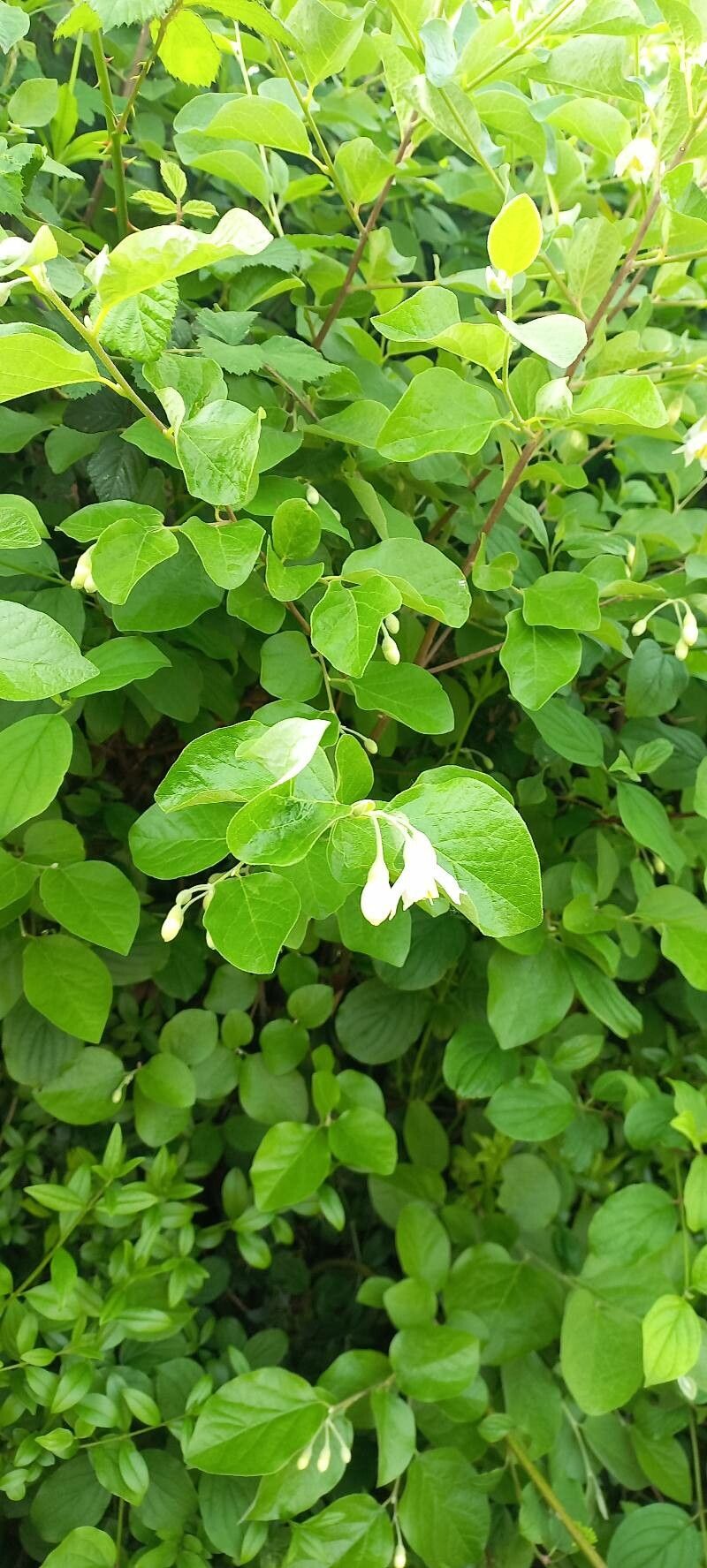
Oh, hello there! Come on in, pull up a chair. I’ve been meaning to chat with you about Styrax officinalis. Honestly, this plant is just a dream of a shrub or small tree. Those delicate, star-shaped white flowers, often tinged with the sweetest scent, are pure garden magic. And the best part? You can bring that magic into your own garden, or share it with friends, by propagating it yourself!
Now, I won’t lie to you; Styrax officinalis can be a little bit of a diva when it comes to propagation. It’s not quite as straightforward as, say, a pothos, but with a bit of care and patience, it’s absolutely achievable. I find it’s a wonderfully rewarding challenge for anyone looking to deepen their gardening skills.
The Best Time to Start
For the highest success rate, I really recommend taking stem cuttings in early summer. You want to be looking for semi-hardwood stem material. What does that mean? It’s not the brand new, super-soft growth of spring, nor is it the tough, woody branches of winter. Think of those stems that are just starting to firm up, but still have a bit of flexibility. If you can snap a stem cleanly, it’s usually about right.
Supplies You’ll Need
Gathering your materials beforehand makes the whole process so much smoother. Here’s what I always have on hand:
- Sharp, clean pruning shears or a sharp knife: This is non-negotiable. You want to make clean cuts to minimize damage and prevent disease.
- Rooting hormone: A good quality rooting hormone (either powder or gel) is often a big help with Styrax officinalis. It gives those cuttings a real boost.
- Potting mix: I like a well-draining mix. A good blend is 50% peat moss or coco coir and 50% perlite or coarse sand. This ensures great aeration and prevents waterlogging, which is crucial.
- Small pots or seed trays: Make sure they have drainage holes!
- Plastic bags or a propagation dome: To create a mini-greenhouse environment.
- Watering can with a fine rose: For gentle watering.
- Labels and a marker: To keep track of your cuttings!
Propagation Methods
While there are a few ways to go about it, I find stem cuttings to be the most reliable for Styrax officinalis.
- Prepare Your Cuttings: Select healthy stems from your mother plant. Using your sharp shears, take cuttings that are about 4-6 inches long. Remove the lower leaves, leaving just a few at the very top. This reduces water loss through transpiration.
- Make the Cut: At the bottom of each cutting, just below a leaf node (where a leaf attaches to the stem), make a clean cut. You can even gently scrape a small sliver of bark off one side of the bottom inch of the stem. This exposes the cambium layer and can encourage rooting.
- Apply Rooting Hormone: Dip the cut end of the stem into your rooting hormone, ensuring the wound is well-coated. Tap off any excess.
- Pot Them Up: Fill your small pots or trays with your prepared potting mix. Moisten the mix thoroughly before you start planting. Make a hole in the soil with a pencil or your finger, deep enough to insert the cutting.
- Insert Cuttings: Gently place the prepared cuttings into the holes, firming the soil around them. You can usually fit several cuttings in one pot, as long as they’re not touching.
- Create a Humid Environment: Water them in gently again. Then, either cover the pot with a clear plastic bag (making sure the leaves don’t touch the plastic) or place it inside a propagation dome. This traps humidity, which is vital for cuttings. Position the pot in a bright, but indirect light location. Avoid direct sun, as it will scorch the delicate cuttings.
The “Secret Sauce” (Pro Tips)
Now, here are a few little tricks I’ve picked up over the years that can really make a difference with Styrax cuttings:
- Bottom Heat is Your Friend: A gentle warmth from below can significantly speed up root development. I sometimes use a heated propagator mat, especially if my house is a bit on the cool side. Just a mild warmth, not hot!
- Don’t Let Leaves Touch the Water: If you’re using a propagation dome and condensation beads up, or if you’re using a plastic bag, make sure the developing leaves aren’t sitting in that moisture. This can lead to rot. Gently shake the bag or dome to dislodge excess water.
- Watch for the “Wiggle Test”: After a few weeks, you can gently tug on a cutting. If you feel resistance, it means roots are starting to form! Don’t yank, just a light pull.
Aftercare & Troubleshooting
Once you see those little roots developing (you might even see new leaf growth!), it’s time to gradually acclimate your new plants. Remove the plastic bag or dome for an hour or two each day, slowly increasing the time until they’re used to normal humidity. Continue to keep the soil consistently moist, but not waterlogged.
The most common sign of failure is rotting at the base of the stem. This usually means the soil is too wet or there isn’t enough air circulation. If you notice any mushy, discolored stems, unfortunately, that cutting is probably lost. Prevention is key here: use that well-draining soil and don’t overwater! Yellowing leaves can sometimes indicate too much direct sun, so move them to a shadier spot.
A Encouraging Closing
Growing plants from cuttings is such a satisfying journey. It’s a testament to the resilience of nature and your own nurturing hands. Be patient with your Styrax officinalis cuttings; they can take their time. Celebrate every tiny sign of progress, and enjoy the beautiful process of bringing new life into your garden. Happy growing!
Resource:
https://identify.plantnet.org/k-world-flora/species/Styrax%20officinalis%20L./data