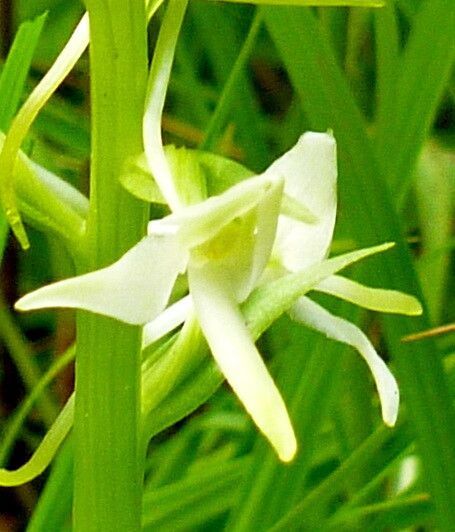
Oh, the delicate beauty of the Lesser Butterfly Orchid, Platanthera bifolia! It’s a bloom that whispers elegance, with its pale, ethereal flowers that dance on slender stems. For those of us who cherish these native beauties, the idea of coaxing more of them into existence is pure gardening joy. Trust me, this isn’t a plant you’ll find at every garden center, so propagating it yourself is incredibly rewarding. Now, I won’t sugarcoat it: Platanthera bifolia can be a bit of a diva when it comes to propagation. It’s not for the absolute beginner who’s just dipped their toe in, but with a little care and attention, you can absolutely succeed.
The Best Time to Start
The sweet spot for working with Platanthera bifolia is generally late spring to early summer, right as the plant is finishing its flowering period or just after it has bloomed. This is when the plant has stored up plenty of energy and is ready to put it into new growth. You’re looking for a healthy, established plant; trying to propagate from a struggling specimen is a recipe for disappointment.
Supplies You’ll Need
To set yourself up for success, gather these essentials:
- Sharp, sterile pruning shears or a clean knife: For making precise cuts.
- A good quality, well-draining potting mix: I love a blend of orchid bark, perlite, and a bit of sphagnum moss. The key is excellent drainage.
- Small pots or trays: Clean, with drainage holes.
- A misting bottle: For gentle hydration.
- Rooting hormone (optional, but can be helpful): Look for a product formulated for orchid propagation or general softwood cuttings.
- A clear plastic bag or propagator lid: To create a humid environment.
- Watering can with a fine rose: For gentle watering.
Propagation Methods
While Platanthera bifolia is often propagated by seed, that’s a long game best left to the experts and labs. For us home gardeners, the most practical method is division. This is done when the plant is dormant and its energy is focused underground.
- Timing is Key: Wait until late autumn or early winter, after the foliage has died back naturally. The plant should be completely dormant.
- Gentle Excavation: Carefully dig up the entire plant. I like to use a garden fork and gently loosen the soil around the root ball, then lift the whole thing out. Try not to disturb the roots too much.
- Identify the Divisions: Gently brush away excess soil. You’re looking for distinct tubers (these are swollen underground stems that store food). Often, you’ll see where one tuber naturally separates from another, sometimes connected by a short rhizome (a creeping stem).
- The Clean Cut: Using your sharp, sterile knife, carefully separate the tubers. Make sure each division has at least one healthy tuber and a few viable root beginnings. If you’re using rooting hormone, now is the time to dip the cut end of the tuber into it.
- Potting Up: Plant each division in its own pot filled with your well-draining orchid mix. Bury the tuber just deep enough so it’s covered by about an inch of soil.
- Initial Hydration: Water very gently, just enough to settle the soil. Avoid soggy conditions.
The “Secret Sauce” (Pro Tips)
- Don’t Overwater, Ever: This is the absolute biggest mistake people make with Platanthera bifolia. They hate wet feet! Think of them as living in a well-drained, slightly moist forest floor, not a swamp. Water only when the top inch of soil feels dry.
- Mimic the Wild: These orchids thrive in dappled shade and a bit of woodland floor. Once your divisions are potted, find a location for them that offers protection from harsh sun and strong winds. A north-facing window or under the dappled shade of a tree is ideal.
- Patience, Grasshopper: Platanthera bifolia is not a fast grower. You might not see much happening for months, and that’s perfectly normal. Don’t be tempted to keep digging them up to check progress—you’ll do more harm than good.
Aftercare & Troubleshooting
Once your divisions are planted, keep them in their chosen spot and water sparingly. The goal is to keep the soil lightly moist, never waterlogged. As new growth begins, usually in spring, you can gradually increase watering, but always listen to the soil.
The most common sign of trouble is rot. If you see mushy, discolored tubers or stems, it’s almost always a sign of overwatering. Unfortunately, once rot sets in, it can be very difficult to save the plant. If you catch it early, you might be able to dig it up, remove the rotten parts with your sterile knife, and repot in fresh, dry mix.
A Little Encouragement
Propagating Platanthera bifolia is a journey, not a sprint. It requires understanding their natural inclinations and giving them the environment they crave. Be patient, observe your plants, and celebrate every tiny new shoot or root you see. The satisfaction of nurturing these ethereal beauties yourself is truly one of gardening’s greatest rewards. Happy growing!
Resource:
https://identify.plantnet.org/k-world-flora/species/Platanthera%20bifolia%20(L.)%20Rich./data