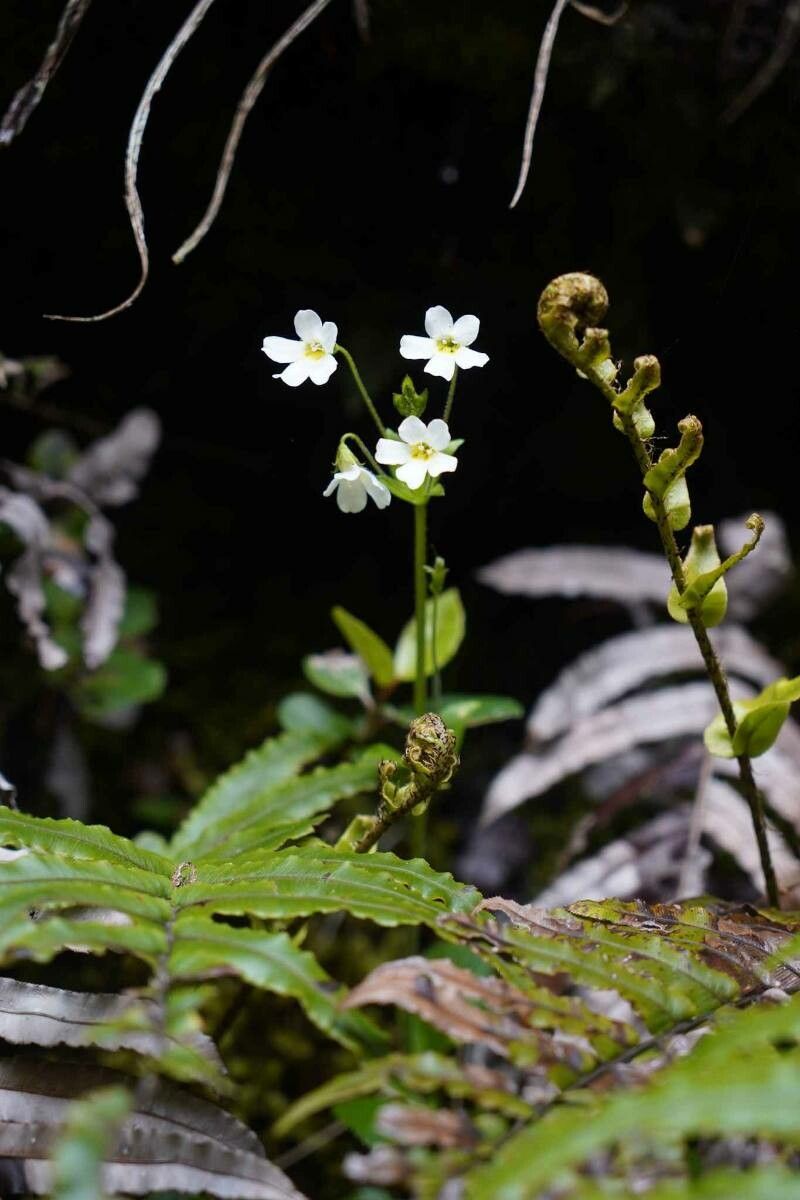
Hello garden friends! I’m so excited to chat with you today about a plant that truly brings a bit of wild magic to my garden: Ourisia macrophylla. If you’re looking for something unique and rewarding to grow, you’re in for a treat.
Why You’ll Love Growing Ourisia macrophylla
This lovely New Zealand native is a real charmer. It boasts large, glossy, deeply veined leaves that are almost architectural in their beauty, and in the right conditions, it sends up delicate spikes of white, tubular flowers that are simply delightful. It thrives in shady, moist spots, making it perfect for those tricky corners of your garden. Propagating Ourisia macrophylla is a fantastic way to share its beauty with friends or to fill in those bare patches with more of this wonderful plant. Now, about beginner-friendliness… I’d say it’s moderately easy. It’s not a weed, but with a little attention, you’ll be successful!
When to Get Your Hands Dirty
The best time to propagate Ourisia macrophylla is in late spring or early summer. This is when the plant is in its most vigorous growth phase. You want to work with new, healthy growth, so avoid taking cuttings from old, woody stems. Softwood cuttings taken now will have the best chance of rooting quickly.
Your Propagation Toolkit
Here’s what you’ll want to have on hand:
- Sharp pruning shears or a clean knife: For making clean cuts.
- Seedling trays or small pots: Clean ones are a must to prevent disease.
- A good potting mix: I like a mix that’s well-draining but retains some moisture. A blend of equal parts peat moss or coco coir, perlite, and compost usually does the trick. For Ourisia, adding a bit more peat or coco coir helps keep things consistently moist.
- Rooting hormone (optional but recommended): This can give your cuttings an extra boost.
- Plastic bags or a propagator lid: To create a humid environment.
- Watering can with a fine rose or a misting bottle: For gentle watering.
- Labels and a marker pen: To keep track of what you’ve propagated and when.
How to Get More Ourisia Goodness
There are a couple of excellent ways to multiply your Ourisia macrophylla.
1. Stem Cuttings: My Go-To Method
This is my personal favorite for its reliability.
- Select your cuttings: Look for healthy, non-flowering shoots. You want pieces that are about 3-4 inches long.
- Make the cut: Using your sharp tool, make a clean cut just below a leaf node (where a leaf attaches to the stem).
- Prepare the cutting: Gently remove the lower leaves, leaving about two leaves at the top. This prevents them from rotting in the soil and directs the plant’s energy towards rooting.
- Apply rooting hormone (if using): Dip the cut end in rooting hormone, tapping off any excess. Don’t be shy here; it really can help!
- Plant your cuttings: Make a small hole in your prepared potting mix with a pencil or your finger. Insert the cutting, ensuring the leaf nodes where you removed leaves are below the soil surface. Gently firm the soil around the stem.
- Water gently: Water thoroughly but avoid making the soil soggy.
- Create humidity: Tent the pot or tray with a plastic bag or cover it with a propagator lid. Make sure the leaves don’t touch the plastic if possible, as this can encourage rot. You can use small stakes to keep the plastic off the leaves.
- Place in a bright, indirect light spot: Keep them out of direct sun.
2. Division: The Easy Way
If your Ourisia has become a nice clump, division is a super straightforward method.
- Gently lift the plant: In late spring or early summer, carefully dig up the entire plant. You want to disturb the roots as little as possible.
- Divide the root ball: You can often do this by hand. Gently tease apart sections of the plant, ensuring each division has plenty of roots and some shoots. If it’s a bit stubborn, a clean trowel or knife can help.
- Replant immediately: Plant the divisions back into well-prepared soil, watering them in well.
The “Secret Sauce”: Insider Tips from My Bench
There are a few little tricks that can make all the difference, especially with plants that like a bit of moisture.
- Bottom heat is your friend: For stem cuttings especially, placing your tray on a gentle heat mat can significantly speed up root development. It mimics the warmth of spring soil and encourages those roots to form faster. Just a gentle warmth, not hot!
- Don’t let those leaves touch the water (or plastic!): I know I mentioned this for cuttings, but it’s crucial. If the lower leaves sit in water or are constantly pressed against condensation inside a propagator, they will inevitably start to rot. Air circulation is key.
- Keep it consistently moist, not soggy: Ourisia loves moisture, but waterlogged soil is a fast track to root rot. Feel the soil; it should be damp to the touch, like a wrung-out sponge. If it feels dry, give it a gentle water.
Nurturing Your New Sprouts
Once you start seeing signs of new growth or feel resistance when you gently tug on a cutting (indicating roots have formed), it’s time to gradually acclimate them to stronger light and less humidity.
- Remove the propagator: Slowly lift the lid or open the plastic bag for a few hours each day before removing it entirely.
- Water carefully: Continue to keep the soil moist.
- Potting up: When the roots have filled the pot or you can see a good root system through the drainage holes, you can pot them into slightly larger containers. Use a good quality potting mix.
- Troubleshooting rot: If you see wilting, yellowing leaves, or slimy stems, it’s usually a sign of too much moisture and poor air circulation. Sadly, this often means the cutting is lost, but it’s a learning opportunity! Make sure your next batch has better drainage and air flow.
Go Forth and Propagate!
It’s a wonderful feeling to grow plants from tiny beginnings. Be patient with your Ourisia macrophylla cuttings. They might take a few weeks to show signs of life, but that feeling when you see that first tiny new leaf emerge is just unbeatable. Enjoy the process, learn as you go, and soon you’ll have a small forest of these beautiful plants to admire. Happy gardening!
Resource:
https://identify.plantnet.org/k-world-flora/species/Ourisia%20macrophylla%20Hook./data