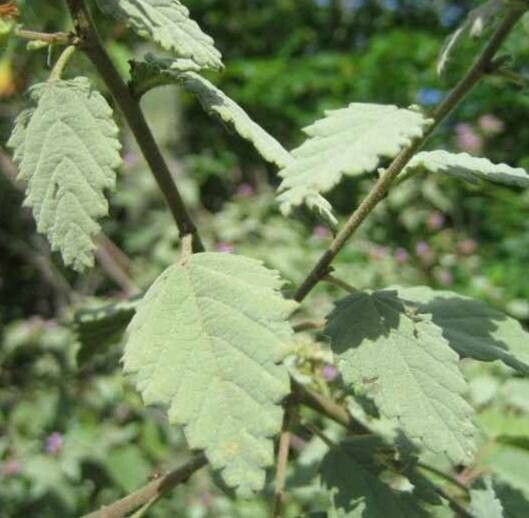
Oh, hello there! Come on in, grab a cup of something warm. I’m so glad you’re interested in Melochia tomentosa, or as I like to call it, “Velvet Leaf.” This beauty is just a delight in the garden, with its softly fuzzy leaves and cheerful little blooms. It’s got this gentle, almost tropical feel, even in drier climates. And the best part? You can easily fill your garden with it, or share it with friends, by propagating it yourself! Don’t stress if you’re new to this; Melochia is generally quite forgiving and a lovely plant to learn with.
The Best Time to Start
For the highest success rates, I always aim to take cuttings in the late spring or early summer. This is when the plant is actively growing and has plenty of energy. You’re looking for those nice, semi-hardwood stems – they’ve moved past being completely floppy and soft, but aren’t woody and rigid yet. Think of it as that perfect in-between stage.
Supplies You’ll Need
To get your propagation station ready, here’s what I always have on hand:
- Sharp, clean pruning shears or a sharp knife: Crucial for a clean cut that heals well.
- A good quality potting mix: I usually blend equal parts seedling starter mix and perlite. This provides great drainage while holding just enough moisture.
- Rooting hormone (optional but recommended): Especially for beginners, this can give your cuttings a real boost. I prefer a powder form.
- Small pots or trays: Clean ones! Three to four-inch pots are usually perfect to start.
- Plastic bags or a propagator: To create a humid environment.
- Water: For dampening the soil and for the plants, of course.
- Labels: So you don’t forget what you planted where!
Propagation Methods
Let’s get our hands dirty! I find the stem cutting method to be the most reliable for Melochia.
- Select Your Stems: Look for healthy, non-flowering stems that are about 4 to 6 inches long. Gently bend one of these potential cuttings; if it snaps cleanly, it’s likely a good candidate. If it just bends limply, it’s too soft.
- Make the Cut: Using your clean shears or knife, make a clean cut just below a leaf node. A leaf node is where a leaf attaches to the stem. This is where the magic happens for rooting.
- Prepare the Cutting: Remove the lower leaves from the cutting, leaving just a few at the very top. This prevents them from rotting in the soil and encourages the plant to direct its energy into root development.
- Apply Rooting Hormone (If Using): Dip the cut end of the stem into the rooting hormone, tapping off any excess.
- Plant Your Cuttings: Gently press the cut end into your prepared potting mix. Don’t just shove it in! Make a small hole with a pencil or your finger first. Stick a few cuttings in each pot, spaced a couple of inches apart.
- Water and Cover: Water the soil lightly to settle it around the cuttings. Then, cover the pots loosely with a plastic bag or place them in a propagator. This creates that cozy, humid environment your cuttings need to sprout roots.
The “Secret Sauce” (Pro Tips)
Here are a few things I’ve learned that really make a difference:
- Don’t Overwater: This is the quickest way to a sad, rotten cutting. The soil should be consistently moist but not soggy. Imagine a wrung-out sponge.
- Bottom Heat is Your Friend: If you have them, popping your pots on a gentle seedling heat mat can significantly speed up root formation. Melochia loves a bit of warmth.
- Clean, Clean, Clean: I can’t stress this enough. Clean tools, clean pots, clean hands. It drastically reduces the risk of fungal diseases that can wipe out your efforts.
Aftercare & Troubleshooting
Once your cuttings have been in their humid haven for a few weeks, you might start to see signs of life! Gently tugging on a cutting is one of the best indicators. If there’s resistance, you’ve got roots! At this point, you can gradually remove the plastic covering over a few days to acclimate them to normal humidity. Keep the soil consistently moist, but not wet.
The most common issue you’ll face is rot. If a cutting turns black and mushy, it’s likely gone. Don’t despair! Remove the offending cutting immediately and check your watering habits. Overwatering is the usual culprit. It can also happen if there’s poor air circulation, so make sure your cuttings aren’t too crowded.
A Little Encouragement
Propagating plants is a wonderful journey, and Melochia tomentosa is a fantastic companion for it. Be patient with your new little plants. Some will take off quickly, others may take their sweet time. Enjoy the process, the anticipation, and the sheer joy of watching life spring from just a few leaves and a stem. Happy gardening!
Resource:
https://identify.plantnet.org/k-world-flora/species/Melochia%20tomentosa%20L./data