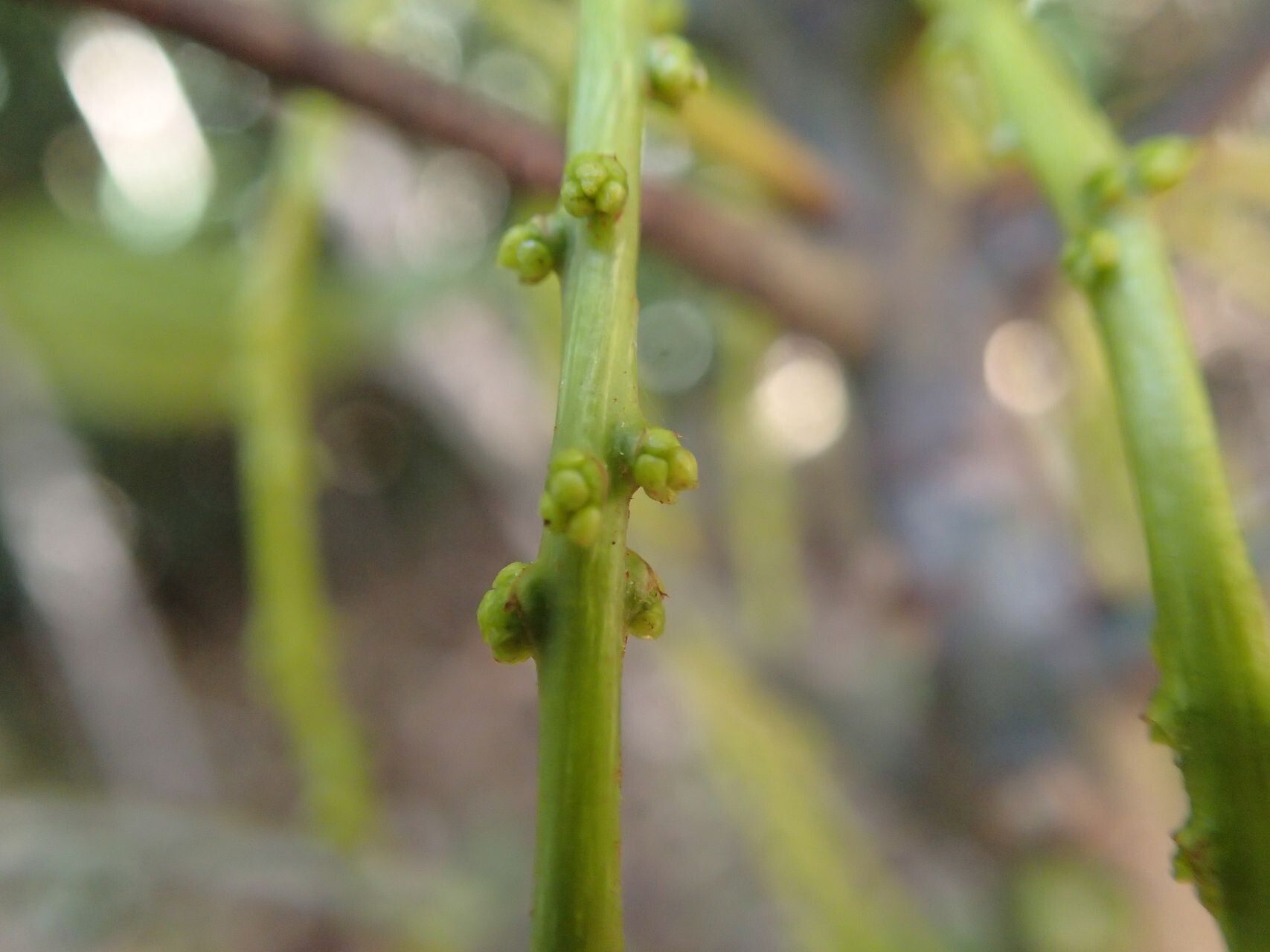
Hello, fellow plant lovers! I’m so excited to talk to you today about a plant that truly brings a touch of the tropics into any space: Macaranga alchorneoides. You might know it by common names like the “Parasol Tree” or “Blister Leaf,” and once you see its large, dramatic leaves, you’ll understand why. It really makes a statement!
Propagating these beauties is incredibly rewarding. There’s a special kind of magic in taking a small piece of a plant you love and nurturing it into a whole new life. If you’re new to this, don’t fret. I’d say Macaranga alchorneoides is moderately easy to propagate. With a little patience and a few key steps, you’ll be well on your way.
The Best Time to Start
When it comes to getting the best strike rate, spring and early summer are your golden windows. This is when the plant is actively growing and has plenty of energy to push out new roots. You’re looking for healthy, vigorous stems that aren’t in their flowering or fruiting stage.
Supplies You’ll Need
Gathering your supplies beforehand makes the whole process much smoother. Here’s what I always have on hand:
- Sharp Pruning Shears or a Clean Knife: For making clean cuts.
- Potting Mix: A well-draining blend is crucial. I like a mix of equal parts peat moss or coco coir, perlite, and a touch of compost. For Macaranga, adding extra perlite helps with aeration.
- Small Pots or Seedling Trays: Clean and with drainage holes!
- Rooting Hormone (Optional but Recommended): Especially for faster rooting. Look for one with auxins, like IBA.
- Clear Plastic Bag or Humidity Dome: To keep the humidity high.
- Watering Can or Spray Bottle: For gentle watering.
- Small Label and Pen: To keep track of your propagates!
Propagation Methods
Let’s get our hands dirty! Here are the most effective ways to multiply your Macaranga.
Stem Cuttings
This is my go-to method for Macaranga. It’s straightforward and often yields great results.
- Select Your Stem: Choose a healthy, semi-hardwood stem from your mature plant. This means it’s not brand new and green, but also not old and woody. Look for stems about pencil-thick, and aim for pieces that are around 6-8 inches long.
- Make the Cut: Using your clean shears or knife, make a clean, angled cut just below a leaf node. This is where new roots are most likely to form. Remove any flowers or developing fruits.
- Prepare the Cutting: Strip off the lower leaves, leaving just 2-3 leaves at the top. If your remaining leaves are very large, you can cut them in half to reduce water loss.
- Apply Rooting Hormone (Optional): Dip the cut end of the stem into your rooting hormone, tapping off any excess.
- Plant Your Cutting: Fill your small pots with your prepared potting mix. Make a hole in the center with your finger or a pencil, then gently insert the cutting. Firm the soil gently around the stem.
- Water and Cover: Water the soil thoroughly until it’s evenly moist. Then, cover the pot with a clear plastic bag or place it under a humidity dome to create a mini-greenhouse effect. Poke a few small holes in the bag if it looks too steamy.
Water Propagation
This method is truly fascinating to watch!
- Take Your Cutting: Follow steps 1 and 2 from the stem cutting method.
- Place in Water: Fill a clean jar or vase with fresh, room-temperature water. Remove all but the top 2-3 leaves.
- Position the Cutting: Place the cutting in the water, ensuring that no leaves are submerged. Leaves in the water will rot and can infect the entire cutting.
- Change Water Regularly: Change the water every 2-3 days to keep it fresh and oxygenated.
- Find a Spot: Place the jar in bright, indirect light. Avoid direct sun, which can cook your new plant in the glass.
- Wait for Roots: You should start seeing tiny white roots emerge from the nodes within a few weeks.
The “Secret Sauce” (Pro Tips)
Here are a few little tricks I’ve learned over the years that can make all the difference:
- Bottom Heat: If you can, provide gentle bottom heat. A seedling heat mat placed under your pots can significantly speed up root development, especially for cuttings that are a bit slow to get going. It mimics the warmth of the soil in its natural environment.
- Don’t Overcrowd: Even though you want to maximize your success, resist the urge to cram too many cuttings into one pot or tray. Give them a bit of space so good air circulation is maintained, which helps prevent fungal issues.
- Be Patient with Large Leaves: For Macaranga, those big, beautiful leaves are a wonder, but they can also be a thirst trap right after propagation. Don’t be afraid to trim them back a bit if the cutting seems to be struggling to stay hydrated. Smaller foliage means less water is being pulled out through transpiration before the roots are established.
Aftercare & Troubleshooting
Once you see those lovely new roots, congratulations! It’s time to transition your baby Macaranga.
If your cutting was in water, wait until the roots are at least 1-2 inches long before carefully potting it into your well-draining potting mix. If it was in soil, you’ll see new leaf growth.
Continue to keep the soil evenly moist but not waterlogged. It’s a good idea to keep the humidity high for the first week or two even after potting them up. Gradually introduce them to brighter light, but avoid harsh, direct sun initially.
The most common issue you’ll encounter is rot. If your cutting turns mushy and black, it’s likely succumbed to rot. This can happen due to overwatering, poor drainage, or the presence of fungal spores. If you see rot, remove the affected cutting immediately to prevent it from spreading. Always use clean tools and sterile potting mixes to start!
A Little Encouragement
Propagating plants is a journey, and like any good adventure, it has its ups and downs. Don’t be discouraged if a few don’t make it. Each attempt teaches you something new.
Take the time to observe your cuttings, learn their cues, and most importantly, enjoy the process of bringing new life into your home. Happy growing, everyone!
Resource: