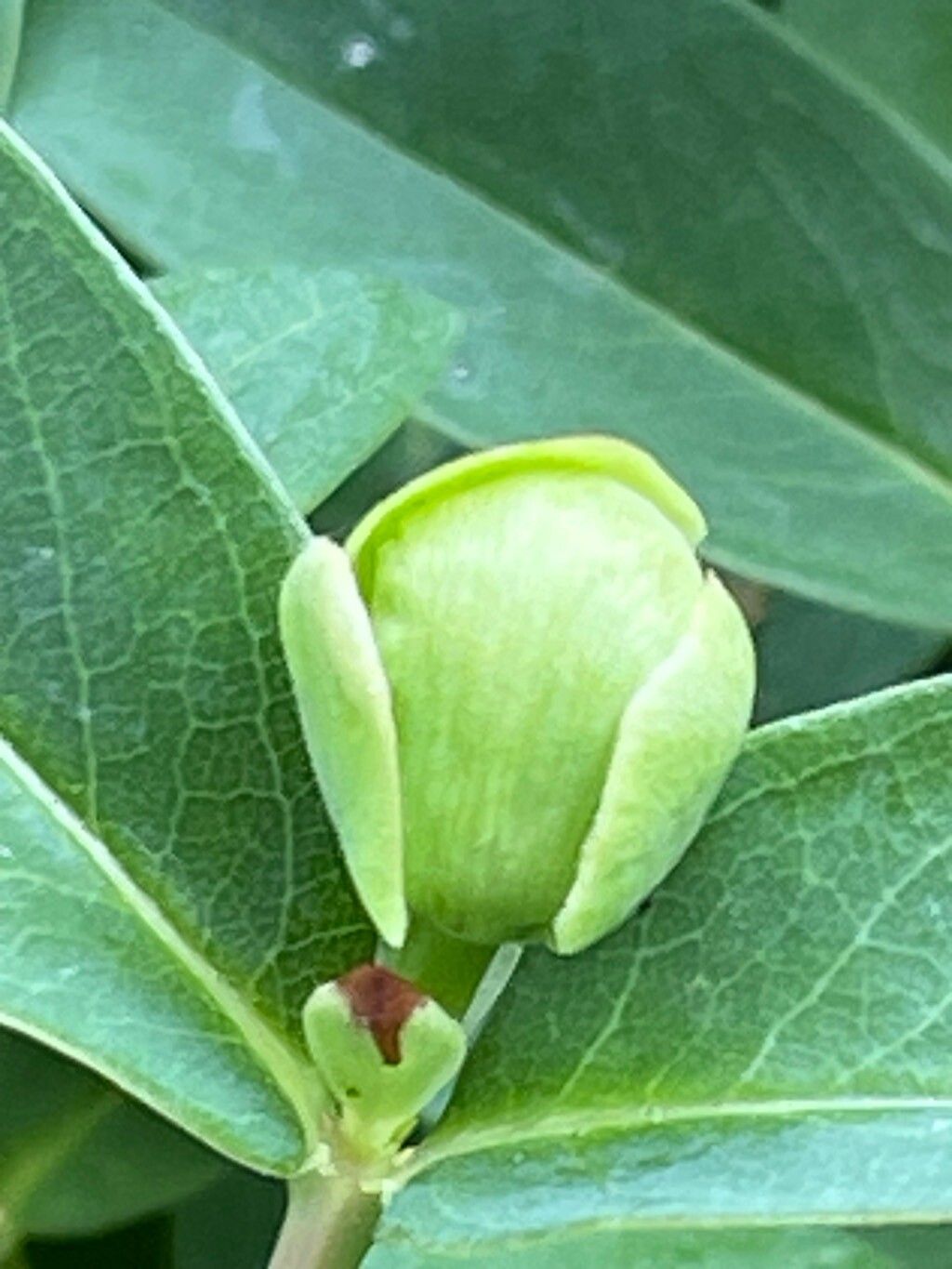
Hello there, fellow garden enthusiasts! It’s so wonderful to connect with you today. If you’ve ever admired that cheerful, sun-kissed bloom of Hypericum calycinum, also known as St. John’s wort or Rose of Sharon (though it’s not a rose at all!), then you’re in for a treat. This plant is a real workhorse in the garden, offering beautiful golden flowers throughout summer and into fall, with glossy evergreen foliage that adds a lovely texture year-round. And the best part? It’s surprisingly easy to multiply!
Why Propagate Hypericum Calycinum?
There’s a special kind of joy that comes from taking a piece of a plant you love and coaxing it into its own independent life. Propagating Hypericum calycinum is a fantastic way to fill out empty spots in your garden, share with friends (because a good garden secret is meant to be shared!), or simply expand your collection without spending a dime. For beginners, this plant is a forgiving friend, making it a perfect candidate for your first propagation adventure. You’ve got this!
The Best Time to Start
Honestly, Hypericum calycinum is pretty adaptable. However, for the highest success rate, I find that the late spring to early summer is absolutely prime time. The plant is actively growing, the days are getting longer and warmer, and the stems have that perfect combination of flexibility and maturity. This is when they’re brimming with youthful energy, ready to grow roots!
Supplies You’ll Need
Gathering your tools before you begin always makes the process smoother. Here’s what I recommend having on hand:
- Sharp pruning shears or secateurs: Clean cuts are crucial.
- Rooting hormone powder (optional, but helpful): This little boost can speed things up.
- Well-draining potting mix: A blend of equal parts peat moss and perlite works wonderfully. You can also use a seed-starting mix.
- Small pots or trays: Clean ones, please! Yogurt cups with drainage holes poked in the bottom work in a pinch.
- A small trowel or dibber: For making holes for your cuttings.
- A plastic bag or propagator lid: To create a humid environment.
- Watering can or spray bottle: For gentle watering.
Propagation Methods
Hypericum calycinum is quite obliging, and we can try a couple of methods. Let’s dive in!
Stem Cuttings: My Go-To Method
This is my favorite way to multiply Hypericum calycinum. It’s straightforward and yields great results.
- Select your source: Find healthy, non-flowering stems from your mature plant. Look for stems that are about pencil-thick and a good foot or so long.
- Take your cuttings: Using your clean secateurs, cut lengths of stem about 4-6 inches long. Try to make your cuts just below a leaf node (where a leaf attaches to the stem).
- Prepare the cuttings: Gently strip off the lower leaves, leaving just two or three at the very top. If the leaves are very large, I sometimes even snip them in half horizontally to reduce water loss.
- Apply rooting hormone (if using): Dip the cut end into the rooting hormone powder, tapping off any excess.
- Plant your cuttings: Make a hole in your potting mix with a dibber or pencil. Insert the cut end of the stem into the hole, making sure the lower leaf nodes are covered by the soil. Gently firm the soil around the cutting.
- Water gently: Water thoroughly but gently, so you don’t dislodge your cuttings.
- Create humidity: Cover the pot with a clear plastic bag, making sure the leaves don’t touch the plastic, or use a propagator lid. This traps moisture and helps prevent the cuttings from drying out. Place the pot in a bright spot, but out of direct sunlight.
Water Propagation: A Quick Peek
If you’re feeling impatient, you can try rooting a few cuttings in water, though I find soil propagation usually leads to stronger root systems.
- Prepare cuttings: Follow steps 1-3 above for preparing your stem cuttings.
- Place in water: Put the cuttings in a jar or glass of clean water. Make sure no leaves are submerged below the water line, as this can cause them to rot.
- Change water regularly: Change the water every few days to keep it fresh.
- Watch for roots: You should start to see tiny white roots forming within a few weeks.
- Transplant carefully: Once the roots are about an inch long, you can carefully transplant them into pots filled with potting mix, just like you would with soil-started cuttings. Handle those delicate roots with utmost care.
Division: For Mature Plants
If you have a well-established clump of Hypericum calycinum, division is a fantastic and easy method.
- Prepare to dig: In early spring or fall, when the plant is not actively flowering or setting seed, carefully dig around the base of the clump.
- Lift the plant: Gently lift the entire plant out of the ground.
- Divide the root ball: You can do this with your hands, a spade, or even a sharp knife if the roots are tough. Aim for sections that have a good amount of roots and some top growth.
- Replant immediately: Plant the divided sections in their new locations, or pot them up if you plan to move them later. Water them in well.
The “Secret Sauce” (Pro Tips)
Here are a couple of little tricks I’ve learned over the years that can really make a difference:
- Don’t be afraid to be a little ruthless with leaves. Seriously, take off almost all of them! The fewer leaves, the less water the cutting has to supply, and the more energy it can put into root development. Less is more here.
- Bottom heat is your friend. If you have an unheated greenhouse or a bright windowsill, placing your pots on a heat mat designed for seedlings can significantly speed up the rooting process. It mimics that lovely warmth that encourages growth.
Aftercare & Troubleshooting
Once you start seeing little signs of life, like tiny new shoots emerging from the top, that’s a good indicator that roots are forming!
- Gradual acclimatization: Once roots have started to develop, slowly begin to harden off your cuttings. This means gradually introducing them to less humid conditions. If they were in a plastic tent, start opening it for a few hours each day.
- Careful watering: Keep the soil consistently moist but not waterlogged. Overwatering is the quickest way to invite trouble.
- Signs of trouble: The most common issue you’ll face is rot. If your cuttings turn black and mushy, or the leaves start to yellow and drop off quickly, it’s usually a sign of too much moisture or poor drainage. Don’t be too disheartened if a few don’t make it – it’s all part of the learning process! If you suspect rot, try to remove the affected cutting immediately and ensure the remaining ones have good airflow and aren’t sitting in standing water.
Your Green-Thumb Journey
Propagating Hypericum calycinum is a truly rewarding experience. It’s a gentle reminder of nature’s resilience and a wonderful way to connect with your garden on a deeper level. Be patient, observe your cuttings, and celebrate every little success. Before you know it, you’ll have a whole new generation of these cheerful golden beauties to enjoy. Happy gardening, my friends!
Resource:
https://identify.plantnet.org/k-world-flora/species/Hypericum%20calycinum%20L./data