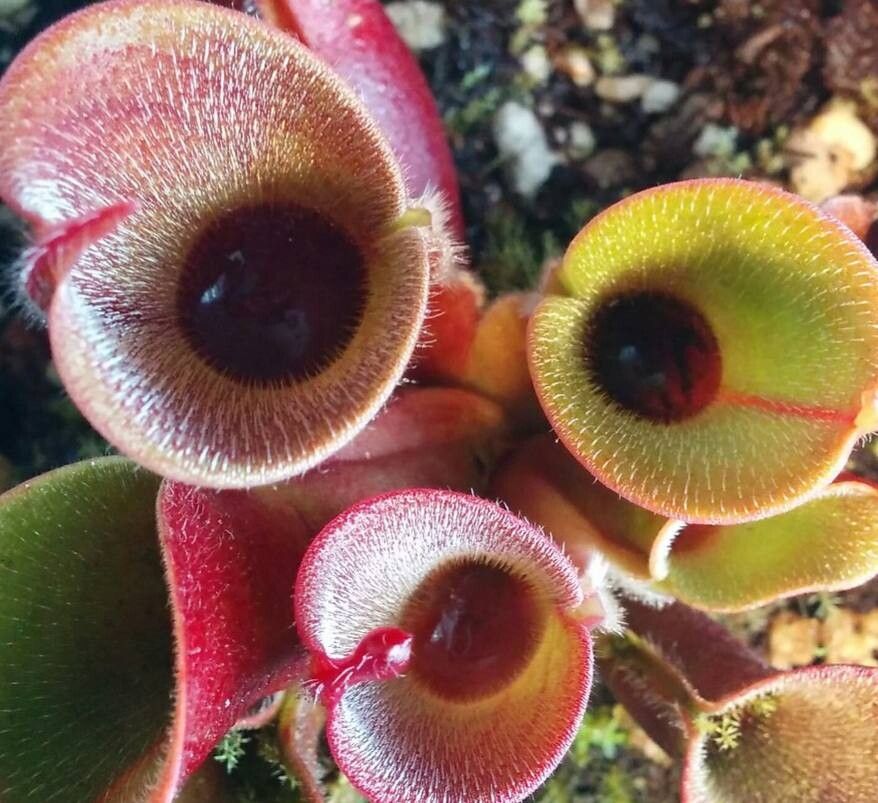
Oh, hello there! Pull up a chair, let’s chat about Heliamphora minor. I remember the first time I laid eyes on these little beauties. They’re just so charming, aren’t they? Those petite pitchers, like tiny trumpets reaching for the sky, always bring a smile to my face. And propagating them? It’s a wonderfully rewarding journey, a chance to multiply that joy and share these incredible carnivorous plants with others. Now, about ease for beginners… I’d say Heliamphora minor is moderately challenging. It’s not quite a “stick it in the dirt and forget it” kind of plant, but with a little care and attention, you’ll be well on your way to success.
The Best Time to Start
When it comes to Heliamphora minor, spring and early summer are your golden ticket. This is when the plant is actively growing, brimming with vigor. You’ll see fresh, healthy pitchers unfurling, which means it has plenty of energy reserves to put into those new propagations. Trying to do it when the plant is dormant is just setting yourself up for disappointment, trust me on that.
Supplies You’ll Need
Before we get our hands dirty, let’s gather our tools:
- Long-bladed, sharp pruning shears or a clean razor blade. Sterilize them! This is crucial for preventing disease.
- A well-draining, airy potting mix. For Heliamphora, I really like a blend of sphagnum peat moss and perlite or horticultural charcoal. Think about 50/50. You want it to hold moisture but still allow for good airflow.
- Newspaper or paper towels. To drain excess water from your mix.
- Small pots or trays. Clean ones, of course!
- A clear plastic bag or a propagator. To create a humid environment.
- A spray bottle. For gentle watering and misting.
- Optional: Rooting hormone. While not strictly necessary for Heliamphora, it can give you a little boost. I prefer powder forms for this.
- Optional: Heat mat. This can speed things up, especially if your home is on the cooler side.
Propagation Methods
Heliamphora minor is most commonly propagated through division. It’s a straightforward method that takes advantage of the plant’s natural clumping habit as it matures.
Division:
- Gently remove the mother plant from its pot. You might need to coax it out. If it’s tightly rooted, a soft tap on the sides of the pot usually does the trick.
- Inspect the root ball. You’re looking for established sections of the plant that have their own roots and at least one healthy pitcher or several developing growth points.
- Carefully separate the divisions. Use your sterile shears or razor blade to cut through any tough roots, ensuring each new division has a good root system attached. Don’t be afraid to be firm, but always be gentle with the plant itself. Think of it like carefully splitting a clump of chives.
- Pot up each division. Plant them in their new pots filled with your prepared, damp potting mix. Make sure the crown (where the pitchers emerge) is at the surface of the soil.
- Water them in thoroughly. You want the mix to be moist but not waterlogged.
While division is the most reliable for Heliamphora minor, some folks have had success with stem cuttings from very vigorous, mature plants. If you go this route, which is quite advanced, you’ll want to take a piece of stem about 2-3 inches long with at least one pitcher and some healthy leaf growth. Cleanly cut it, dip the end in rooting hormone (if using), and insert it into your pre-moistened, airy mix. Then cover it to keep humidity high. Success rates for cuttings are much lower than division for this species, so be prepared for that.
The “Secret Sauce” (Pro Tips)
Here are a few things I’ve learned over the years that can make a real difference:
- Don’t over-pot. Small, newly divided plants need small pots. A huge pot will hold too much moisture, leading to rot. It’s better to pot them up gradually as they grow.
- Humidity is your friend, but soggy is not. Those plastic covers or propagators are fantastic for keeping humidity high, which is vital for new roots. However, make sure there’s some airflow. A slightly ajar lid or a few small holes can prevent fungal issues.
- Patience is paramount. Heliamphora can be slow growers. Don’t expect overnight miracles. Give them time, the right conditions, and they will respond.
Aftercare & Troubleshooting
Once your divisions are potted up, keep them consistently moist but not waterlogged. A good watering technique is to water from the bottom if your pots have drainage holes, allowing the soil to wick up moisture. If you’re watering from the top, do so gently to avoid disturbing the new roots. Place them in a bright spot, but avoid direct, harsh sunlight initially. Filtered light is best until they establish.
Signs of failure often involve rot. If you see pitchers turning black and mushy, or the base of the plant looking unhealthy, it’s likely due to too much water or poor airflow. Sometimes, you can trim away the rotten bits with sterile tools, let the plant dry out a bit, and hope for the best. If the entire division is mushy, it’s unfortunately a lost cause. This is why using that well-draining mix and not over-potting is so important.
A Little Encouragement
So there you have it! Propagating Heliamphora minor is a delightful way to expand your collection. It requires a bit of care, a touch of patience, and you’ll be rewarded with beautiful new plants. Don’t be discouraged if your first attempt isn’t perfect. Every gardener learns through doing, and the satisfaction of nurturing a new life from an established plant is truly special. Happy growing!
Resource:
https://identify.plantnet.org/k-world-flora/species/Heliamphora%20minor%20Gleason/data