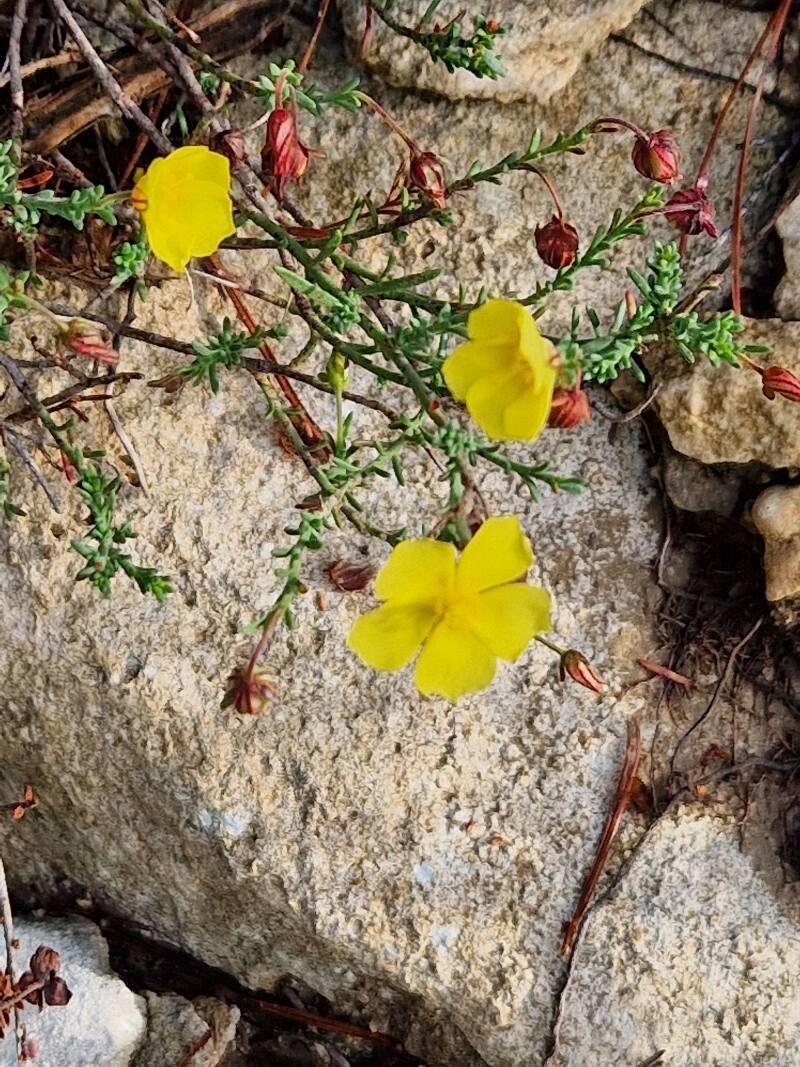
Hello, fellow garden lovers! Today, we’re diving into the delightful world of Fumana ericoides, also known as tiny-leaved rockrose. If you’ve ever admired the delicate, woody stems and small, charming flowers of this Mediterranean native in someone’s garden, you might be wondering how you can get more of it. And trust me, propagating Fumana ericoides is a truly rewarding endeavor. It’s not the absolute easiest plant for a complete beginner, but with a little patience and these tips, you’ll be well on your way to success. Seeing a tiny cutting flourish into a new plant? Pure joy!
The Best Time to Start
For the highest success rate with Fumana ericoides, I always recommend propagating in late spring to early summer. This is when the plant is actively growing, and its stems have started to mature slightly – think semi-hardwood cuttings. You want stems that are firm but still have a bit of flexibility. Avoid taking cuttings from very new, soft, floppy growth, or from old, woody stems that have already flowered and set seed.
Supplies You’ll Need
Gathering your tools beforehand makes the whole process a breeze. Here’s what I usually have on hand:
- Sharp pruning shears or a clean razor blade: For making clean cuts.
- Rooting hormone (optional but recommended): A powder or gel to encourage root development.
- Small pots or seed trays: With drainage holes, of course!
- A well-draining potting mix: I love a blend of coarse sand, perlite, and a good quality peat-free compost. About a 1:1:1 ratio works wonders. For Fumana, good drainage is non-negotiable.
- A clear plastic bag or propagator lid: To create a humid environment.
- Labels and a pen: To keep track of what you’ve planted!
- Watering can with a fine rose: For gentle watering.
Propagation Methods: Stem Cuttings
This is my go-to method for Fumana ericoides. It’s reliable and gives you plenty of opportunities to get more plants.
- Take Your Cuttings: On a bright, cool morning, select healthy stems from your parent plant. Using your sharp shears or razor, take cuttings that are about 3-5 inches long. Make your cut just below a leaf node (where a leaf attaches to the stem).
- Prepare the Cuttings: Gently strip off the lower leaves, leaving just two or three sets of leaves at the very top. This prevents the leaves from rotting in the soil. If the leaves are quite large, you can even cut them in half horizontally to reduce water loss.
- Apply Rooting Hormone (Optional): Dip the cut end of each stem into a shallow dish of rooting hormone powder or gel, tapping off any excess.
- Plant Your Cuttings: Fill your small pots or trays with your well-draining soil mix. Make a small hole in the center of the soil with a pencil or your finger. Gently insert the cut end of the stem into the hole, push the soil around it to secure it, ensuring at least one leaf node is buried beneath the surface.
- Water Gently: Water the soil thoroughly but gently, allowing excess water to drain away.
- Create Humidity: Cover the pots or trays with a clear plastic bag or propagator lid. This is crucial for keeping the cuttings from drying out before they can root. Make sure the plastic isn’t touching the leaves too much.
The “Secret Sauce” (Pro Tips)
Now, for a couple of insider tricks that have really upped my success rate:
- Don’t Drown ‘Em: While humidity is key, stand your pots on a shallow tray of gravel that is kept moist, not submerged in water. This allows for air circulation under the pots and prevents the base of the cuttings from sitting in soggy soil, which is a fast track to rot.
- Bottom Heat is Your Friend: If you have a heated propagator or a warm windowsill, placing your cuttings on it can significantly speed up root formation. Fumana likes a bit of warmth to get those roots going.
Aftercare & Troubleshooting
Once your cuttings are planted, find them a bright spot with indirect sunlight. Keep the soil consistently moist but not waterlogged. Resist the temptation to pull on them to check for roots; it can damage fragile new growth.
You’ll know they’re rooting when you see new leafy growth emerging from the top. This usually takes anywhere from 4-8 weeks, sometimes longer depending on conditions. Once you see good top growth, you can gradually acclimate them to normal room humidity by opening the plastic bag or propagator lid a little each day over a week.
The most common problem you’ll encounter is rot. If you see your cuttings turning mushy and black, it’s usually a sign of too much moisture and not enough air circulation. Don’t be discouraged; just try again, focusing on that excellent drainage and slightly less intense watering.
A Encouraging Closing
Successfully propagating Fumana ericoides is a wonderful way to expand your garden and share these lovely plants with friends. Remember, gardening is a journey of trial and error, so be patient with yourself and enjoy the process. Watching those tiny beginnings unfurl into life is one of the greatest rewards of all. Happy propagating!
Resource:
https://identify.plantnet.org/k-world-flora/species/Fumana%20ericoides%20(Cav.)%20Gand./data