Hey there, fellow plant lovers!
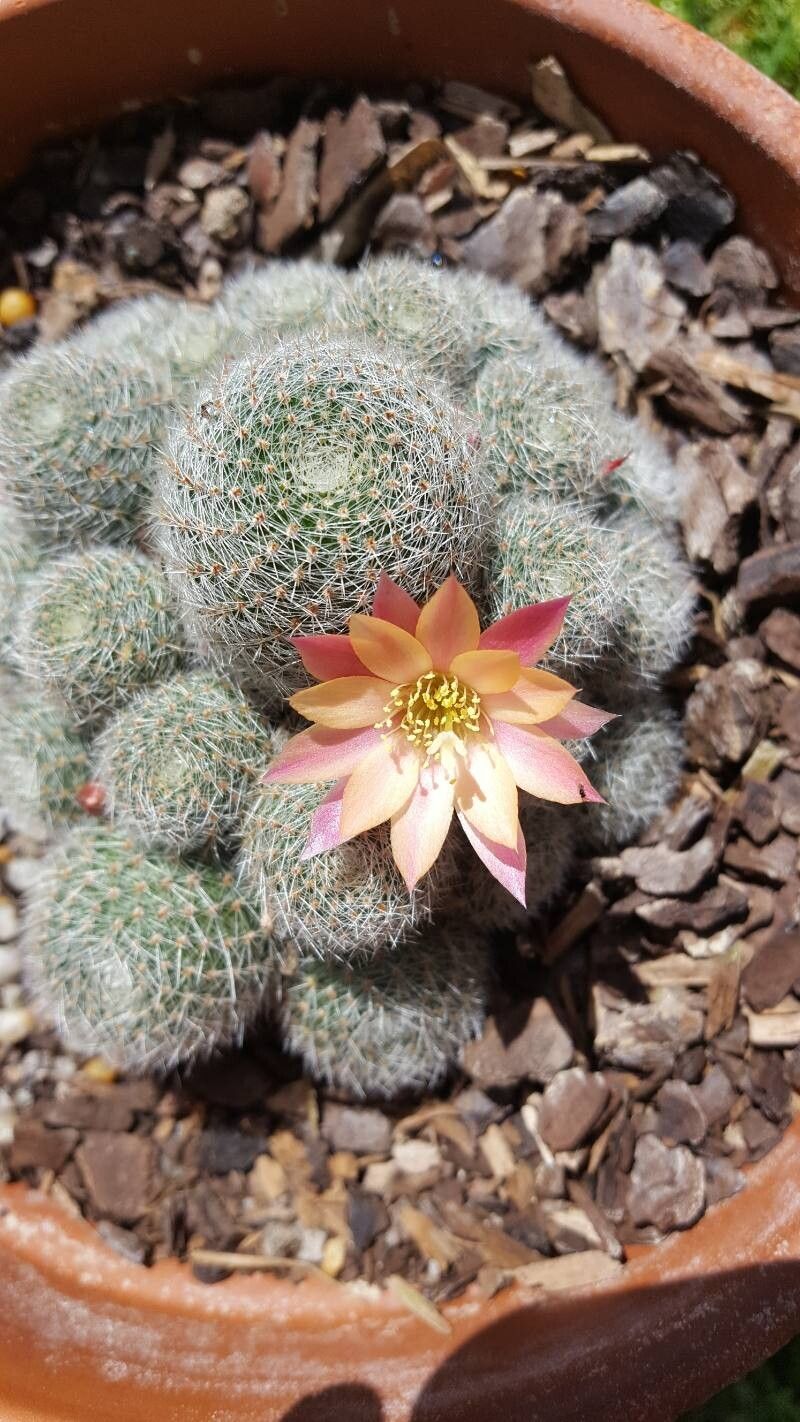
Today, we’re diving into the wonderful world of propagating Aylostera heliosa, also known as the sunrise cactus or the golden barrel cactus (though that common name can be a bit confusing as there are other plants called golden barrel too!). This little beauty is a real charmer with its vibrant clusters of golden-orange flowers that truly look like a miniature sunrise erupting from its spiny body. Watching these blooms pop out is simply magical. And the best part? You can easily multiply this joy! Propagating Aylostera heliosa is a fantastic way to expand your collection or share these cheerful plants with friends. For beginners, I’d say it’s quite approachable. It’s not one of those fussy plants that demands a PhD to multiply.
The Best Time to Start
The absolute sweet spot for propagating Aylostera heliosa is during its active growing season. Think spring and early summer. This is when the plant has plenty of energy to put into forming new roots. I usually start my propagation projects around April or May, just as things are really warming up and the days are getting longer. Avoid trying to propagate in the dead of winter when the plant is dormant; you’ll just be setting yourself up for disappointment.
Supplies You’ll Need
Gathering your tools beforehand makes the whole process smoother. Here’s what I always have on hand:
- Sharp, clean pruning shears or a knife: For making nice, clean cuts. Sterilize them with rubbing alcohol between cuts!
- Well-draining cactus and succulent soil mix: You can buy this ready-made or mix your own with equal parts potting soil, coarse sand, and perlite.
- Small pots or seedling trays: With drainage holes, of course.
- Optional: Rooting hormone powder: This can give your cuttings a little boost, especially if you’re a bit nervous.
- A spray bottle: For gentle watering.
- Patience! Seriously, this is the most important tool.
Propagation Methods
Aylostera heliosa is a champion at propagating, and it’s primarily done through offsets, also called pups. These are the little baby plants that grow around the base of the parent.
Method: Offsetting (Division)
This is by far the easiest and most successful method for Aylostera heliosa.
- Inspect your plant: Look for any small, mature offsets growing around the base of the main cactus. They should be at least an inch or two tall and look reasonably plump.
- Gently remove the soil: Carefully brush away the soil from around the base of the offset you want to remove. You want to see where it connects to the mother plant.
- Make the cut: Using your sharp, sterilized pruners or knife, firmly cut the offset away from the parent plant. Try to get a clean break right at the connection point. If the offset has its own tiny roots already, that’s a bonus!
- Let it callous: This is a crucial step for cacti. Place the freshly cut offset in a dry, well-ventilated spot out of direct sunlight for 2-5 days. You want the cut surface to dry out and form a callous. This prevents rot when you plant it. It’ll look dry and a little puckered at the cut end.
- Planting: Once calloused, fill your small pot with your well-draining cactus mix. Make a little well in the center and tuck the calloused end of the offset into the soil. You don’t need to bury it too deep, just enough so it stands upright. If it has roots, gently spread them out in the soil.
- Water sparingly: Do not water immediately after planting. Wait for about a week. Then, water very lightly, just enough to moisten the soil. You’re aiming to encourage root growth, not drown the new plant.
The “Secret Sauce” (Pro Tips)
Here are a couple of things I’ve learned over the years that really make a difference:
- Don’t over-water those new recruits! New offsets don’t have established root systems, so they’re very susceptible to rot. It’s always better to err on the side of too dry than too wet. Feel the soil; if there’s any moisture an inch down, wait.
- A little warmth goes a long way. While not strictly necessary, placing your newly potted offsets on a spot that gets gentle bottom heat (like on top of a refrigerator or with a gentle seedling heat mat on a low setting) can really speed up root development. Just make sure it’s not hot heat.
Aftercare & Troubleshooting
Once your offsets are planted and have had a week to settle, start watering them a bit more regularly, but still with a light touch. Let the soil dry out completely between waterings. You’ll know they’re rooting when you see new growth or feel a gentle tug when you try to wiggle them (don’t wiggle too much!).
The biggest enemy here is rot. If you notice your offset turning mushy, yellowish, or translucent, it’s likely succumbing to rot. This is usually caused by overwatering or not letting the cutting callous properly. If you catch it early, you might be able to cut away the rotted part and try to callous and replant the healthy section.
A Encouraging Closing
Propagating plants is a joyous journey, and Aylostera heliosa makes it a very forgiving one! Be patient with your new little cacti. It might take a few weeks, or even a couple of months, for them to show significant signs of rooting or growth. Enjoy the process, celebrate every tiny new bud, and soon you’ll have a whole windowsill glowing with little sunrises!
Happy propagating!
Resource: