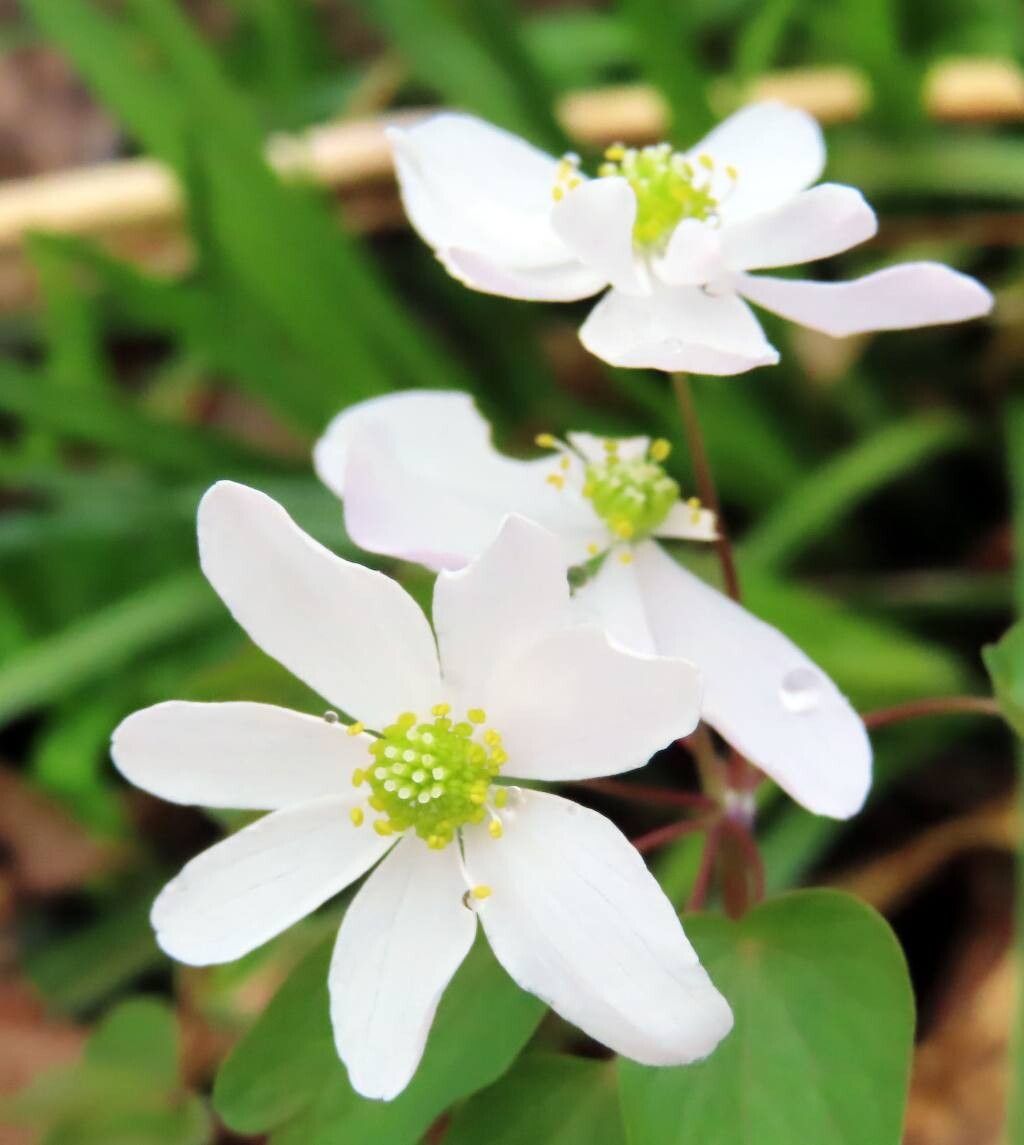
Hello there, fellow garden enthusiasts! Today, we’re diving into the delightful world of Anemonella thalictroides, also known as Rue Anemone. If you’ve ever seen these delicate, nodding flowers gracing woodland settings, you know just how charming they are. Their intricate, anemone-like blooms atop finely cut foliage bring a whisper of spring to any shady corner.
Sharing these beauties is incredibly rewarding. Watching a tiny piece of your established plant transform into a whole new specimen is pure magic. Now, I won’t sugarcoat it – Anemonella thalictroides can be a tad particular. It’s not the most straightforward plant for absolute beginners, but with a little know-how and patience, you can definitely succeed.
The Best Time to Start
For Anemonella thalictroides, timing is everything. The absolute best time to propagate is late spring to early summer, just as the plant is finishing its bloom cycle and starting to go dormant. This is when the underground structures, which produce the new growth, are most robust. Attempting propagation when the plant is actively growing in the spring can be too stressful for it.
Supplies You’ll Need
To give your cuttings the best chance, gather these essentials:
- Sharp, clean pruners or a sharp knife: For making clean cuts.
- Well-draining potting mix: A blend of equal parts peat moss or coco coir, perlite, and compost works wonders.
- Small pots or seed trays: With drainage holes!
- Rooting hormone (optional but helpful): A powder or gel to encourage root development.
- Watering can with a fine rose: Gentle watering is key.
- Labels: To keep track of what you’ve planted and when.
- A shady spot: Out of direct sunlight.
Propagation Methods
Anemonella is primarily propagated through division and occasionally seeds, though seed propagation can be quite slow and variable. For us home gardeners wanting to expand our collection, division is our go-to method.
Division (The Most Reliable Way)
- Wait for Dormancy: Remember, late spring/early summer is your window. The leaves will start to yellow and die back naturally. This tells you the plant is ready to rest.
- Gently Excavate: Carefully dig up your established Anemonella. You’re looking for the small, tuberous rhizomes that form the plant’s underground structure. Be gentle; these can be quite delicate.
- Separate the Rhizomes: You’ll notice where the rhizomes have naturally broken into smaller sections, often with a healthy bud or two on each. Gently tease these apart. If a rhizome is firmly attached, it’s better to leave it than to risk damaging it. You’re looking for pieces that are at least the size of a small pea.
- Plant Your Divisions: Pot each division into its own small pot filled with your well-draining potting mix. Plant the rhizomes just below the surface of the soil, about ½ inch deep.
- Water Gently: Water the soil lightly. You want it moist but not waterlogged.
- Provide Shade: Place the pots in a cool, shady location. A spot that receives filtered light or is protected from midday sun is perfect.
The “Secret Sauce” (Pro Tips)
Here are a few things I’ve learned over the years that make a real difference:
- Embrace the Dormancy: Don’t rush it. Trying to divide or move a plant that is actively growing is the most common mistake. Let it do its thing, and then work with its natural cycle.
- Think “Woodland Floor”: Anemonella thrives in conditions mimicking its natural habitat. This means avoiding stagnant water and too much direct sun. Their thin roots hate being soggy.
- Bottom Heat is a Nice Bonus (but not always mandatory): While not strictly required for division, if you’re ever experimenting with starting plants from seed or for a boost, a gentle heat mat can really speed things up. For divisions, cool, consistent moisture is generally sufficient.
Aftercare & Troubleshooting
Once your divisions are planted, the key is consistent, but not excessive, moisture. Keep the soil slightly damp. You likely won’t see much top growth for a while, especially if you’ve divided late in the season. Don’t panic! The plant is busy establishing its roots underground.
The most common sign of failure is rot. If your rhizomes turn mushy and black, it’s a sign of too much moisture or poor drainage. Ensure your pots drain freely and try to keep the soil just barely moist. Another issue can be drying out completely, which can kill the delicate rhizomes. Keep an eye on them, especially during dry spells.
A Little Patience, A Lot of Reward
Propagating Anemonella thalictroides takes a little finesse, but the joy of seeing those delicate blooms multiply in your garden is well worth the effort. Be patient with your new divisions; they need time to establish. Enjoy the process, learn from each attempt, and soon you’ll have a woodland tapestry bursting with Rue Anemone! Happy gardening!
Resource:
https://identify.plantnet.org/k-world-flora/species/Anemonella%20thalictroides%20(L.)%20Spach/data