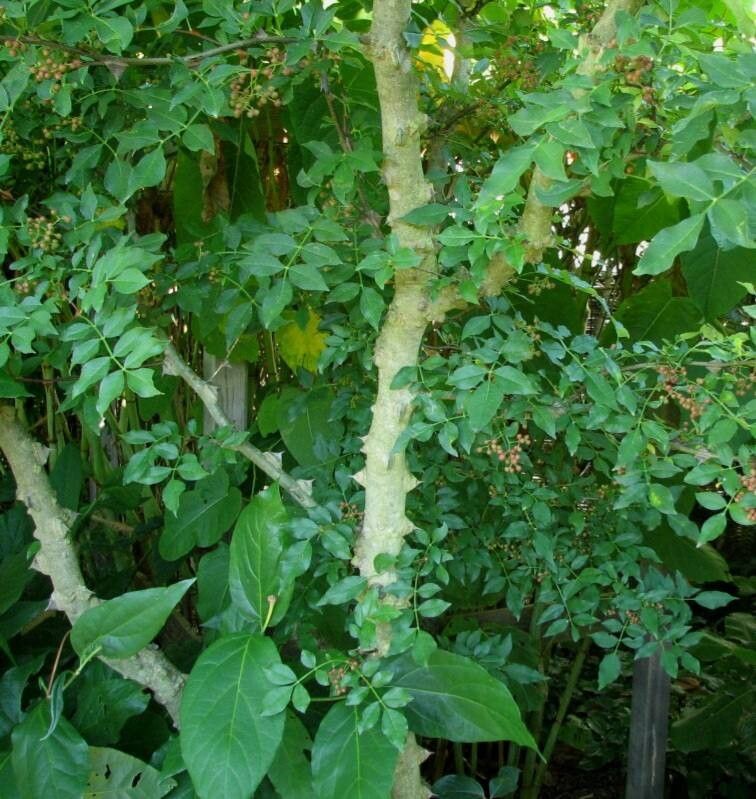
Oh, Zanthoxylum davyi! What a delightful plant to have in the garden. Its prickly charm and lovely foliage are such a treat, and honestly, the thought of creating more of these beauties from just one is incredibly satisfying. If you’re new to propagating, I’ll be upfront: Zanthoxylum davyi can be a little bit of a trickster. It’s not the absolute easiest plant for a complete beginner, but with a bit of patience and careful attention, you’ll absolutely be rewarded. Think of it as a fun challenge to level up your gardening skills!
The Sweet Spot for Success
When it comes to getting those cuttings to root, late spring to early summer is your golden ticket. This is when the plant is actively growing, pushing out fresh, vibrant shoots. These semi-hardwood cuttings have just the right amount of flexibility and stored energy to set their roots. Trying too early in the spring when growth is still a bit tender, or too late in the fall when things are winding down, can make things a harder uphill battle.
Your Propagation Toolkit
Gathering the right tools makes all the difference. Here’s what you’ll want to have on hand:
- Sharp Pruning Shears or a Knife: Clean cuts are crucial for healthy healing.
- Rooting Hormone: A good quality rooting powder or gel will significantly boost your success.
- Well-Draining Potting Mix: I like to use a blend of 50% perlite and 50% peat moss or coco coir. You can also buy specialized seed starting mixes.
- Small Pots or Trays: Clean pots are a must to avoid introducing disease.
- Dibber or Pencil: For making planting holes.
- Plastic Bags or a Propagator: To create a humid environment.
- Watering Can or Spray Bottle: For gentle watering.
- Labeling Tags: Trust me, you’ll want to know what you’ve planted!
Bringing Your Zanthoxylum to Life
We’ll focus on cuttings, as that’s generally the most reliable method for Zanthoxylum davyi.
Stem Cuttings:
- Take Your Cuttings: In late spring or early summer, select healthy, non-flowering shoots that are about 4-6 inches long. Look for stems that have started to firm up but are still slightly flexible – this is our “semi-hardwood” sweet spot. Use your sharp shears to make a clean cut just below a leaf node (where a leaf attaches to the stem).
- Prepare the Cuttings: Gently remove the lower leaves, leaving just a few at the top. If the remaining leaves are quite large, I like to cut them in half horizontally. This reduces water loss through transpiration while still allowing for photosynthesis.
- Apply Rooting Hormone: Dip the cut end of each stem into your rooting hormone, tapping off any excess.
- Planting: Fill your clean pots with your prepared potting mix. Use your dibber or a pencil to make a hole, then carefully insert the cutting. Firm the soil gently around the base to ensure good contact.
- Create Humidity: Water the soil gently until it’s moist but not waterlogged. Then, cover the pot with a clear plastic bag or place it inside a propagator. This creates that essential humid microclimate. If using a bag, you can use stakes to keep it from touching the leaves.
The “Secret Sauce” from My Garden
Here are a few little tricks I’ve picked up over the years that can really make a difference:
- Bottom Heat is Your Friend: If you can, place your pots on a heated propagator mat. This gentle warmth from below encourages root development and can significantly speed up the process. It mimics the natural warmth of the soil in summer.
- Don’t Overwater! This is the absolute killer of new cuttings. Keep the soil consistently moist, but never soggy. Overwatering leads to rot, and that’s a one-way ticket to disappointment. A good indicator is when the soil feels cool and damp to the touch.
- A Little Air Circulation Helps: While we want humidity, completely stagnant air can also encourage fungal issues. If you’re using a plastic bag, open it up for an hour or two each day to allow for some air exchange.
Nurturing Your New Sprouts and What to Watch For
Once you’ve got your cuttings planted, place them in a bright, indirect light location. Avoid direct sunlight, which can scorch those delicate leaves and dry out the cuttings too quickly.
You’ll know your cuttings are happy when you see new leaf growth emerging from the top. This is a great sign! If you’re feeling brave, you can give a very gentle tug; resist rooting resistance means they’ve started to develop roots. Once they’re well-rooted, you can carefully transplant them into slightly larger pots with a more standard potting mix. Continue to keep them in bright, indirect light and water when the top inch of soil feels dry.
Now, signs of trouble often appear as browning or wilting leaves that weren’t there when you started, or a mushy, black base on the cutting. This is almost always a sign of overwatering and rot. Unfortunately, once rot sets in, it’s very difficult to save a cutting. That’s why that careful watering is so important!
Go Forth and Propagate!
Propagating plants like Zanthoxylum davyi is a journey. There might be some misses along the way, and that’s perfectly okay! Every experienced gardener has them. The key is to be patient, observe your cuttings closely, and learn from each attempt. Enjoy the process of nurturing these new little lives, and soon you’ll have more of that wonderful Zanthoxylum davyi to share or simply admire. Happy gardening!
Resource: