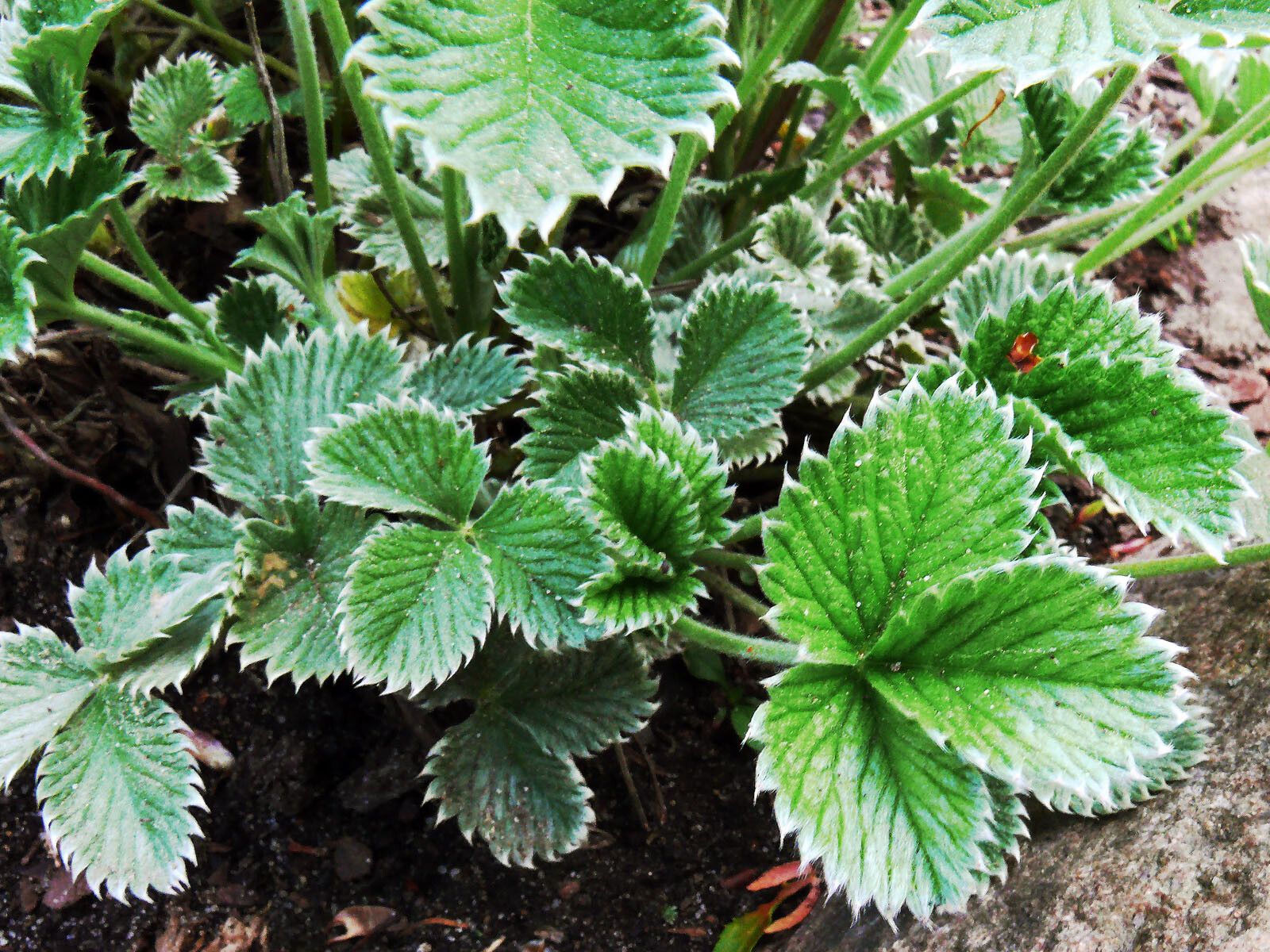
Oh, hello there, fellow garden enthusiast! It’s so lovely to have you join me. Today, we’re going to dive into something truly special: propagating Potentilla atrosanguinea. You know, that gorgeous shrub with the vibrant, flame-colored flowers? It’s a real showstopper, isn’t it? And the joy of growing more of them from your own plants is just… well, it’s a whole different level of garden happiness.
Why Propagate Potentilla atrosanguinea?
Honestly, the biggest reason is these flowers! Their rich, fiery hues really bring a splash of warmth to any garden bed. Plus, there’s something incredibly satisfying about nurturing a tiny cutting into a mature plant. It’s like a little miracle you help along. And for beginners? I’d say Potentilla is a fairly forgiving plant to propagate. With a little patience and the right steps, you’ll likely have success.
The Best Time to Start
For the highest success rate, late spring to early summer is your sweet spot. You want to start with semi-hardwood cuttings – that means stems that are starting to firm up but aren’t yet woody and brittle. Think of it as that perfect stage between brand new green growth and old, stiff branches.
Supplies You’ll Need
Gathering your tools beforehand makes the whole process so much smoother. Here’s what I usually have on hand:
- Sharp pruning shears or a clean, sharp knife: For making nice, clean cuts.
- Rooting hormone (optional but recommended): Helps cuttings develop roots faster.
- A good sterile potting mix: I often use a blend of perlite, peat moss, and a bit of compost. You want something that drains well!
- Small pots or seed trays: With drainage holes, of course!
- A watering can with a fine rose: For gentle watering.
- A plastic bag or propagation dome: To keep humidity levels up.
- Labels and a marker: So you don’t forget what you planted and when!
Propagation Methods: Let’s Get Our Hands Dirty!
We’ll focus on the most reliable method for Potentilla atrosanguinea: stem cuttings.
- Select Your Cuttings: Head out to your healthy Potentilla plant. Look for healthy, non-flowering stems from the current year’s growth. You want stems that are about 4-6 inches long.
- Make the Cut: Using your clean shears, make a cut just below a leaf node (that’s where a leaf meets the stem). This is where the magic of rooting often happens.
- Prepare the Cuttings: Gently remove the lower leaves from your cuttings, leaving just a few at the top. If your cuttings are very long, you can trim them in half.
- Dip in Rooting Hormone (Optional): If you’re using rooting hormone, dip the cut end of each stem into the powder or gel, tapping off any excess.
- Plant Your Cuttings: Fill your small pots with your well-draining potting mix. Make a small hole in the center of each pot with a pencil or your finger. Insert the cut end of your Potentilla cutting into the hole, ensuring at least two leaf nodes are buried in the soil. Gently firm the soil around the stem.
- Water and Cover: Water the soil gently but thoroughly. Then, cover the pots with a plastic bag or propagation dome. This creates a mini-greenhouse effect, keeping the humidity high, which is crucial for cuttings.
The “Secret Sauce” (Pro Tips)
Here are a few little tricks I’ve picked up over the years that can really boost your success:
- Bottom Heat is Your Friend: If you have an old heating mat for seedlings, pop your pots on it. Consistent warmth from below encourages root development like nothing else. It’s not strictly necessary, but it’s a game-changer.
- Don’t Let Your Leaves Touch the Water (if water propagating): Okay, while we’re doing soil cuttings here, it’s a good general rule to remember: if you ever try water propagation for other plants, always make sure the leaves aren’t submerged. They’ll just rot.
- A Gentle Tap Can Help: When you’re removing the lower leaves, sometimes a very gentle tap on the stem can help loosen them without damaging the cutting.
Aftercare & Troubleshooting
Once your cuttings are planted and covered, place them in a bright spot that gets indirect sunlight.
- Keep the Soil Consistently Moist, Not Soggy: Check the soil regularly. If the top feels dry, give it a gentle watering. The plastic cover should help maintain moisture.
- Ventilate Occasionally: Every few days, lift the plastic bag or dome for a few minutes to allow for air circulation. This helps prevent fungal diseases.
You’ll know your cuttings are taking root when you see new leaf growth or feel a slight resistance if you gently tug on the stem. This usually takes anywhere from 4-8 weeks.
If you notice your cuttings wilting drastically, turning black and mushy, or developing fuzzy mold, it’s often a sign of too much moisture and not enough airflow, or perhaps the cutting wasn’t healthy to begin with. Don’t be discouraged if a few don’t make it; it’s part of the learning process. Just clean up any failed cuttings and try again with fresh ones.
A Little Patience Goes a Long Way
Propagating plants is a journey, and each one is a little adventure. Be patient with your Potentilla cuttings. Watch for those signs of life, celebrate the small victories, and enjoy the wonderful process of bringing more beauty into your garden. Happy growing!
Resource:
https://identify.plantnet.org/k-world-flora/species/Potentilla%20atrosanguinea%20G.Lodd./data