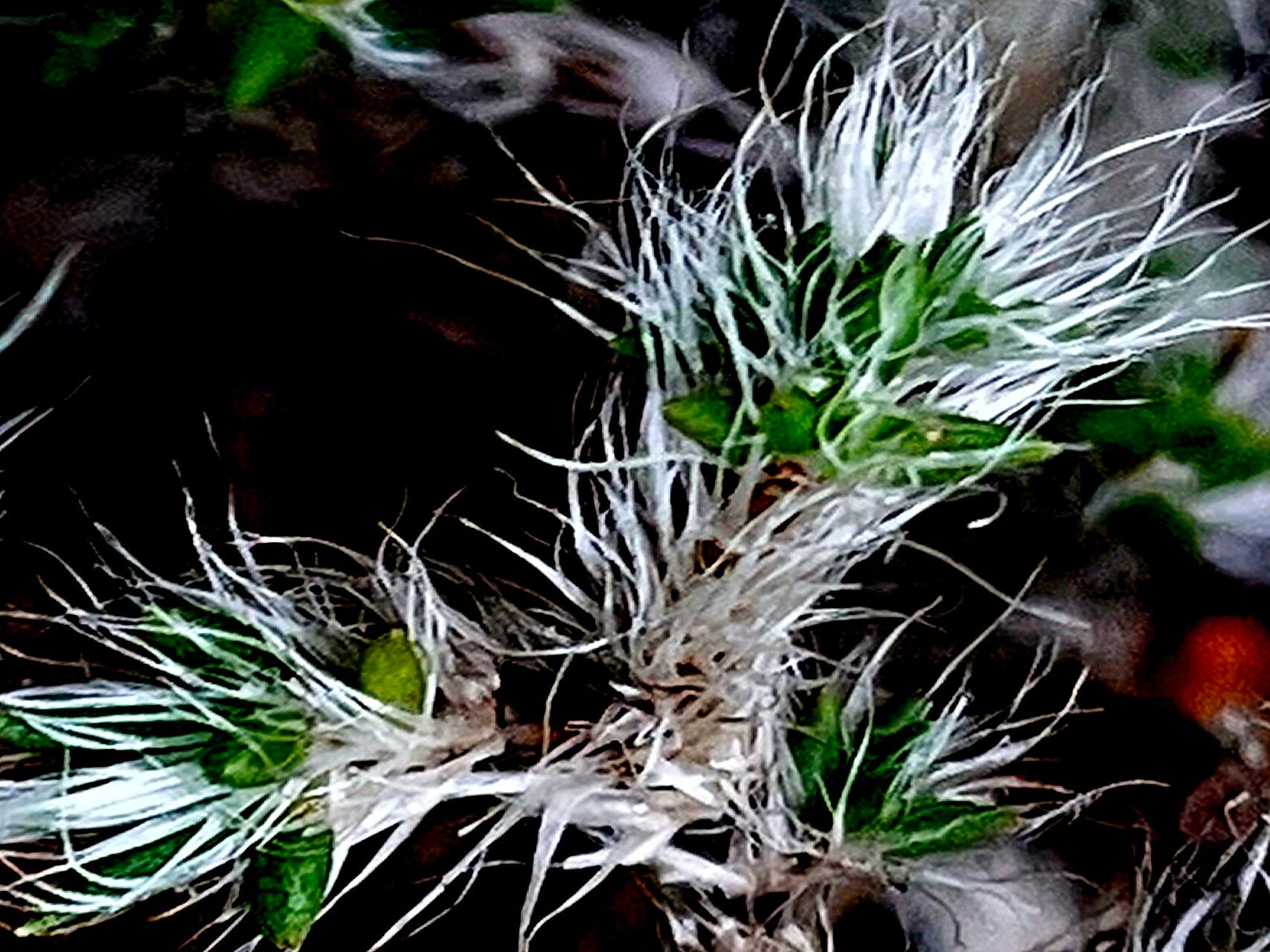
Oh, hello there! I’m so glad you dropped by for a chat about one of my absolute favorite garden treasures: Portulaca wightiana, often lovingly called Moss Rose or Purslane. If you haven’t had the pleasure, imagine a carpet of jewel-toned blooms that unfurl their delicate petals with the morning sun, shimmering like little jewels throughout the day. They’re incredibly drought-tolerant, thrive in sunny spots, and add a burst of cheerful color to just about any container or garden bed. And the best part? They are wonderfully easy to propagate, even for folks just dipping their toes into the gardening world. Growing more of these beauties is incredibly rewarding, and honestly, quite addictive!
The Best Time to Start
For Portulaca wightiana, late spring to early summer is your golden window. Think of it as the plant’s prime growing season. When the temperatures are warm and consistent, and the days are long, your cuttings will have the energy and warmth they need to establish roots quickly. You can also take cuttings in early fall, but you’ll need to be a bit more vigilant with warmth to ensure success.
Supplies You’ll Need
Gathering your supplies is half the fun, right? It makes you feel so official! Here’s what I always have on hand:
- Sharp Pruning Shears or a Clean Knife: For making clean cuts.
- Rooting Hormone (Optional but Recommended): A little dip can give your cuttings a helpful boost.
- Well-Draining Potting Mix: A cactus and succulent mix is perfect, or you can make your own by combining potting soil with perlite or coarse sand in a 2:1 ratio.
- Small Pots or Seed Trays: With drainage holes, of course!
- Spray Bottle: For misting.
- Watering Can: For gentle watering once established.
- A Sunny Location or Grow Lights: Plenty of bright light is key.
Propagation Methods
Portulaca wightiana is a champion of propagation, and luckily, it’s pretty straightforward. My go-to is stem cuttings, but water propagation also works like a charm.
1. Stem Cuttings (My Favorite!)
This is the most common and reliable method for Portulaca wightiana.
- Choose your cuttings: Look for healthy, non-flowering stems that are about 3-4 inches long. Gently snip them just below a leaf node (that little bump where a leaf grows from the stem).
- Prepare the cuttings: Carefully remove the lower leaves from the bottom inch or so of the stem. This prevents them from rotting in the soil.
- Dip in rooting hormone (if using): Lightly dip the cut end into your rooting hormone powder. Tap off any excess.
- Plant the cuttings: Make a small hole in your prepared potting mix with your finger or a pencil. Insert the cut end of the stem, ensuring a couple of leaf nodes are buried in the soil. Gently firm the soil around the stem.
- Water and place: Water the soil lightly. Place the pots in a warm, bright location, but avoid direct, scorching sun for the first week or so.
2. Water Propagation
This method is fascinating to watch!
- Prepare cuttings: Follow the same steps as above for preparing stem cuttings.
- Place in water: Fill a small jar or glass with water and place your cuttings in it, ensuring the lower leaf nodes are submerged.
- Change water regularly: Change the water every few days to keep it fresh and prevent bacteria from growing.
- Provide light: Place the container in a bright spot. You’ll start to see little white roots emerge from the nodes in a week or two.
- Transplant when ready: Once the roots are about an inch long, you can carefully transplant them into your well-draining potting mix.
The “Secret Sauce” (Pro Tips)
Sometimes, it’s the little things that make all the difference, isn’t it? Here are a couple of tricks I’ve picked up over the years:
- Let them callous: Before planting stem cuttings, I like to let them sit out for a day or two in a dry, airy spot. This allows the cut end to form a slight scab, which helps prevent rot and encourages stronger root development.
- Bottom heat is your friend: If you have a propagation mat or can place your pots on a warm surface (like a sunny windowsill that gets warm), the gentle bottom heat can significantly speed up rooting. It mimics the warmth of the soil on a summer day.
Aftercare & Troubleshooting
Once you see new growth or feel a gentle tug when you lightly pull on a cutting, you know roots have formed!
- Watering: Water your new plants whenever the top inch of soil feels dry. They still prefer to dry out a bit between waterings.
- Light: Gradually introduce them to more direct sunlight as they grow stronger.
- Troubleshooting: The most common issue you might face is rot. This usually happens if the soil stays too wet or if you didn’t remove those lower leaves. If a cutting looks mushy or black and droops, it’s likely rotted. Don’t be discouraged! Just take fresh cuttings from a healthy part of the plant and try again. Another sign of failure is if the cutting just shrivels up and dries out completely – this usually means it didn’t get enough moisture or the environment was too dry.
A Little Patience Goes a Long Way
Growing new plants from cuttings is such a satisfying journey. It takes a bit of patience, but watching those tiny roots develop and new leaves unfurl is incredibly rewarding. Don’t be afraid to experiment, and most importantly, enjoy the process of nurturing these little bits of sunshine into their own full glory! Happy gardening!
Resource: