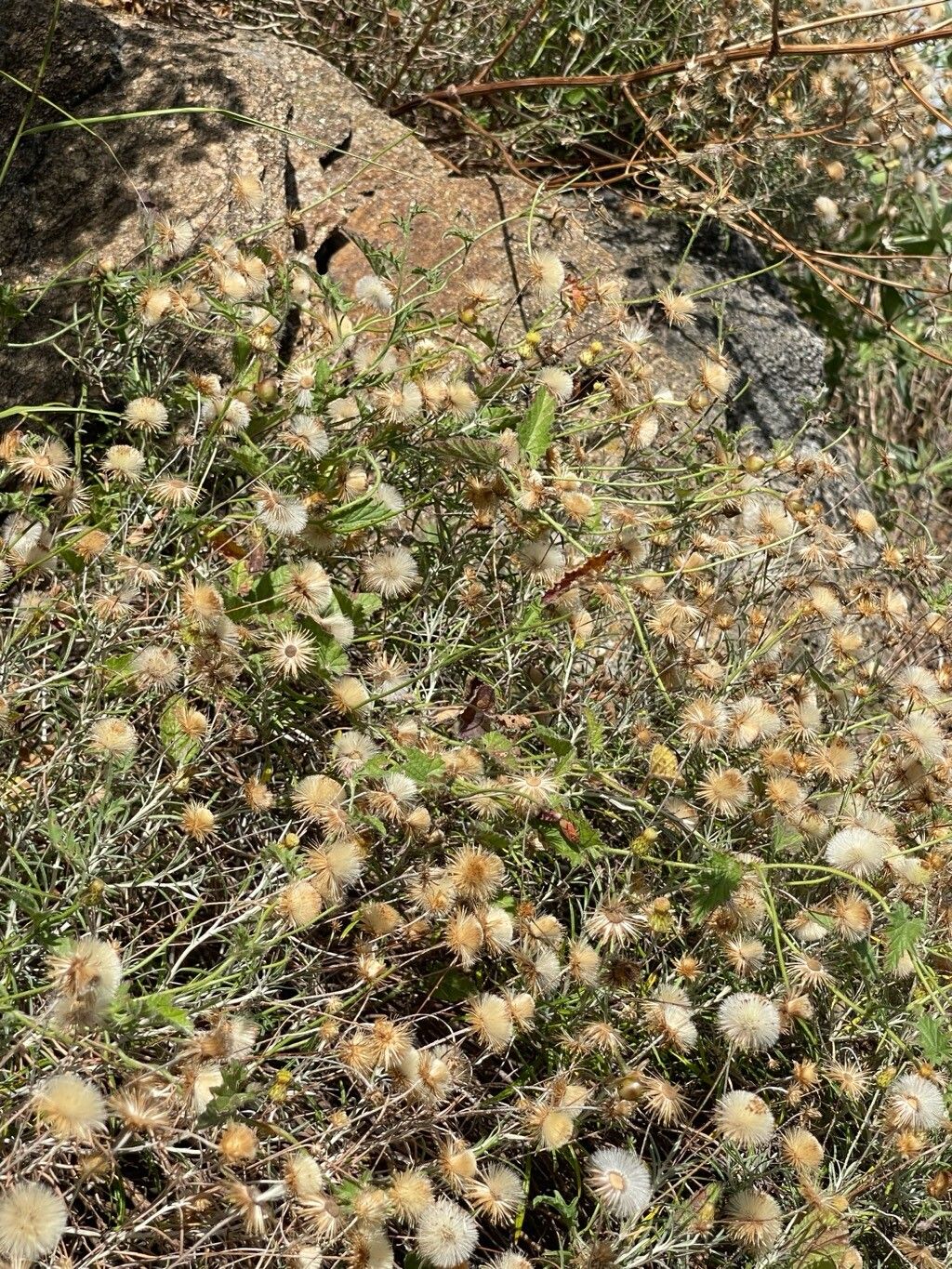
Oh, hello there! Pull up a chair and let’s chat about a little gem that’s captured my heart over the years: Phagnalon saxatile. You know, that lovely Mediterranean native with its silvery foliage and delicate daisy-like flowers? It’s got this wonderfully understated charm that just feels like sunshine and breezy days. And guess what? Propagating it is surprisingly doable, even for those of you just dipping your toes into the gardening waters. It’s incredibly rewarding to see a tiny cutting transform into a thriving plant.
The Best Time to Start
For Phagnalon saxatile, I find that the sweet spot is late spring to early summer. This is when the plant is actively growing and has plenty of energy to put into developing new roots. Waiting until the new growth has had a chance to harden off just a little, but is still soft and pliable, is your best bet. Avoid trying to propagate when it’s super hot and dry or when it’s just starting to wind down for the year.
Supplies You’ll Need
Before we get our hands dirty, let’s gather our tools. Here’s what I always have on hand:
- Sharp pruning shears or a clean knife: This is crucial for making clean cuts.
- Rooting hormone (optional but helpful): A little powder or gel can give your cuttings a nice boost.
- Well-draining potting mix: I like a blend of equal parts peat moss or coco coir and perlite or coarse sand. You want air to get to those roots!
- Small pots or seed trays: Even a few inches is fine for starting out.
- Plastic bags or a propagation dome: To create that humid environment.
- Watering can or spray bottle: For gentle watering.
- Labeling stakes: Don’t forget to mark what you’ve planted!
Propagation Methods
Let’s get down to business! For Phagnalon saxatile, stem cuttings are my go-to method. It’s straightforward and highly effective.
- Taking the Cuttings: On a healthy, non-flowering stem, select a piece about 3-4 inches long. Make a clean cut just below a leaf node (where a leaf attaches to the stem). Remove the lower leaves, leaving just a couple at the very top.
- Rooting Hormone (if using): Dip the cut end into your rooting hormone, tapping off any excess powder.
- Planting: Gently insert the treated end of the cutting into your prepared potting mix. Make sure at least one leaf node is buried in the soil, as this is where roots will emerge.
- Creating Humidity: Water the soil gently until it’s moist but not waterlogged. Then, cover the pot with a clear plastic bag or pop it under a propagation dome. This keeps the humidity high, which is vital for preventing the cuttings from drying out before they can root.
- Placement: Place the pot in a bright spot that gets indirect sunlight. Avoid direct, harsh sun, which can scorch those tender cuttings.
The “Secret Sauce” (Pro Tips)
Here are a couple of things I’ve learned from years of getting my hands dirty:
- Don’t be afraid to make a few extra cuttings. Not every single one will take, and that is perfectly okay! Having a few spares greatly increases your chances of success.
- A bit of bottom heat can work wonders. If you have a heat mat designed for cuttings, placing your pots on it can significantly speed up root development. It mimics that lovely warmth from the soil that plants crave.
Aftercare & Troubleshooting
Once you start seeing new leaf growth or gently tugging on a cutting and feeling resistance (a sign of roots!), you’re on your way! Remove the plastic bag or dome gradually over a few days to let the new plant acclimatize to normal humidity. Continue to water when the top inch of soil feels dry.
The biggest enemy here is rot. If your cuttings turn mushy and black at the base, that’s usually a sign of too much moisture. If this happens, try to gently remove the affected cutting and allow the remaining soil to dry out a bit more. Sometimes, a healthy cutting will just refuse to root. Don’t get discouraged; it happens to the best of us!
A Encouraging Closing
Propagating plants is a journey, and Phagnalon saxatile is a wonderful companion for the ride. Be patient with yourself and your little cuttings. Watch for the subtle signs of life, and celebrate every tiny victory. Happy propagating, and enjoy the process!
Resource:
https://identify.plantnet.org/k-world-flora/species/Phagnalon%20saxatile%20(L.)%20Cass./data