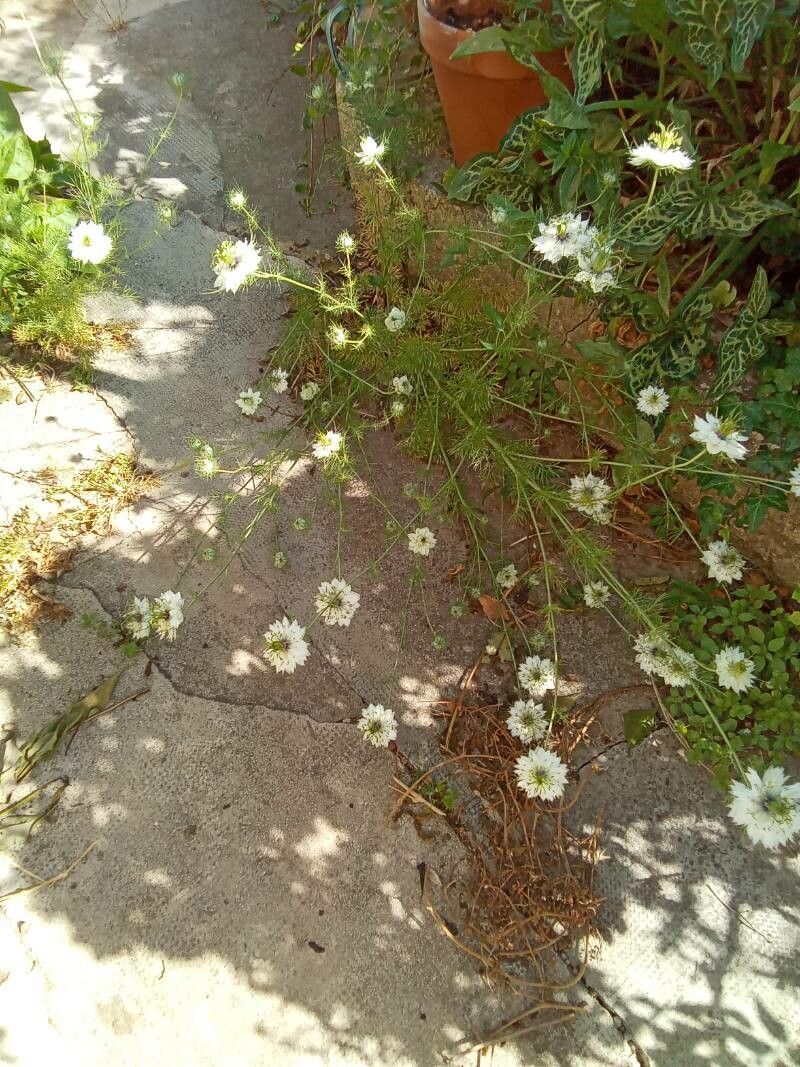
Oh, hello there! It’s wonderful to have you stop by my little corner of the internet. Today, we’re diving into the delightful world of Lomelosia palaestina. If you’re not familiar with this beauty, imagine clusters of delicate, sky-blue flowers that just seem to twinkle in the sunlight. It’s a plant that brings a touch of airy charm to any garden bed or container, and honestly, watching it bloom is such a joy.
But the real magic? It’s getting more of this charm to call your own! Propagating Lomelosia palaestina is a deeply satisfying process. It’s not the absolute easiest plant to start from seed, but taking cuttings or dividing it is wonderfully rewarding, even for those of you just dipping your toes into the world of plant propagation.
The Best Time to Start
For the highest success rate with Lomelosia palaestina, I’ve found that late spring to early summer is your sweet spot. This is when the plant is actively growing, full of vigor, and just bursting with energy. You’ll be taking cuttings from healthy, new growth, which has a much better chance of rooting quickly. If you’re thinking about dividing established plants, spring is also ideal, just as they begin to wake up after winter.
Supplies You’ll Need
Gathering your tools beforehand makes the whole process so much smoother. Here’s what I usually have on hand:
- Sharp Pruning Shears or a Craft Knife: Clean, sharp tools are crucial for making neat cuts that heal well.
- Rooting Hormone: This isn’t always strictly necessary, but it can give your cuttings a real boost. I usually opt for a powder or gel.
- Well-Draining Potting Mix: A good quality seed-starting mix or a blend of peat moss and perlite works beautifully.
- Small Pots or Trays: Clean pots with drainage holes are essential.
- A Spray Bottle: For gentle misting.
- Optional: A Small Greenhouse or Plastic Bag: To create a humid environment for your cuttings.
- Optional: Bottom Heat Mat: This can really speed up root development.
Propagation Methods
Let’s get our hands dirty! These are the methods that have worked wonders for me.
Stem Cuttings
This is my go-to method for Lomelosia palaestina.
- Select Your Cuttings: Look for healthy, non-flowering stems that are about 3-4 inches long. They should be firm but not woody. Pinch off any lower leaves and flowers/buds.
- Make the Cut: Using your sharp shears or knife, make a clean cut just below a leaf node (where a leaf attaches to the stem). This is where roots are most likely to form.
- Apply Rooting Hormone: Dip the cut end into your rooting hormone, tapping off any excess.
- Pot Them Up: Fill your small pots with your well-draining mix. Make a small hole with your finger or a pencil and insert the cutting, firming the soil gently around it.
- Water Gently: Water the soil thoroughly but gently. You don’t want to disturb the cutting.
- Create Humidity: Cover the pot with a plastic bag or place it in a small greenhouse. Make sure the leaves don’t touch the plastic. If you can, place the pots on a seedling heat mat set to a comfortable temperature.
Division
If you have an established plant that’s looking a bit crowded, division is a great option.
- Prepare Your Plant: It’s best to do this when the plant is dormant or just starting to grow in spring. Water the plant a day or two beforehand.
- Gently Remove from Pot: Carefully take the plant out of its pot.
- Separate the Roots: Look for natural divisions in the root ball. You can gently tease them apart with your fingers or use a clean trowel or knife to cut through any stubborn roots. Aim for sections that have a good amount of roots and at least one or two leafy shoots.
- Re-pot: Plant each division into its own pot filled with fresh, well-draining soil.
- Water In: Water the newly potted divisions well.
The “Secret Sauce” (Pro Tips)
Here are a few little tricks I’ve picked up over the years that can really make a difference:
- Don’t Let the Leaves Touch the Water: If you’re doing water propagation (which can work for Lomelosia if you’re patient!), make sure only the cut stem is submerged. Any leaves in the water will rot and can kill your cutting.
- Bottom Heat is Your Friend: As I mentioned, if you have the space, placing your pots on a heat mat can significantly speed up root formation. It mimics the warmth of soil in the growing season and makes your cuttings much happier.
- Cleanliness is Key: Always use clean pots, clean tools, and fresh potting mix. This is your first line of defense against fungal diseases and rot, which are the biggest culprits when propagation goes wrong.
Aftercare & Troubleshooting
Once your cuttings have developed a good root system (you can gently tug on them to feel for resistance, or look for roots emerging from the drainage holes), it’s time to give them a little more room. Gradually acclimatize them to your home’s environment before transplanting them into larger pots or their permanent garden spot.
Keep them consistently moist but not waterlogged. Some yellowing leaves or a bit of wilting can happen right after transplanting – don’t panic!
The main thing to watch out for is rot. If your cuttings turn mushy, smell funky, or have dark, slimy stems, it’s a sign of overwatering or poor drainage. Remove any affected material immediately. If a whole cutting succumbs, don’t be discouraged! Garden experiments often have a few failures.
A Encouraging Closing
So there you have it! Propagating Lomelosia palaestina is a journey, and like any good journey, it requires a little patience and a lot of love. Don’t be afraid to try, to experiment, and to learn from every little seedling and cutting you nurture. Enjoy the process, and soon you’ll have more of those twinkling blue beauties to share with the world! Happy gardening!
Resource:
https://identify.plantnet.org/k-world-flora/species/Lomelosia%20palaestina%20(L.)%20Raf./data