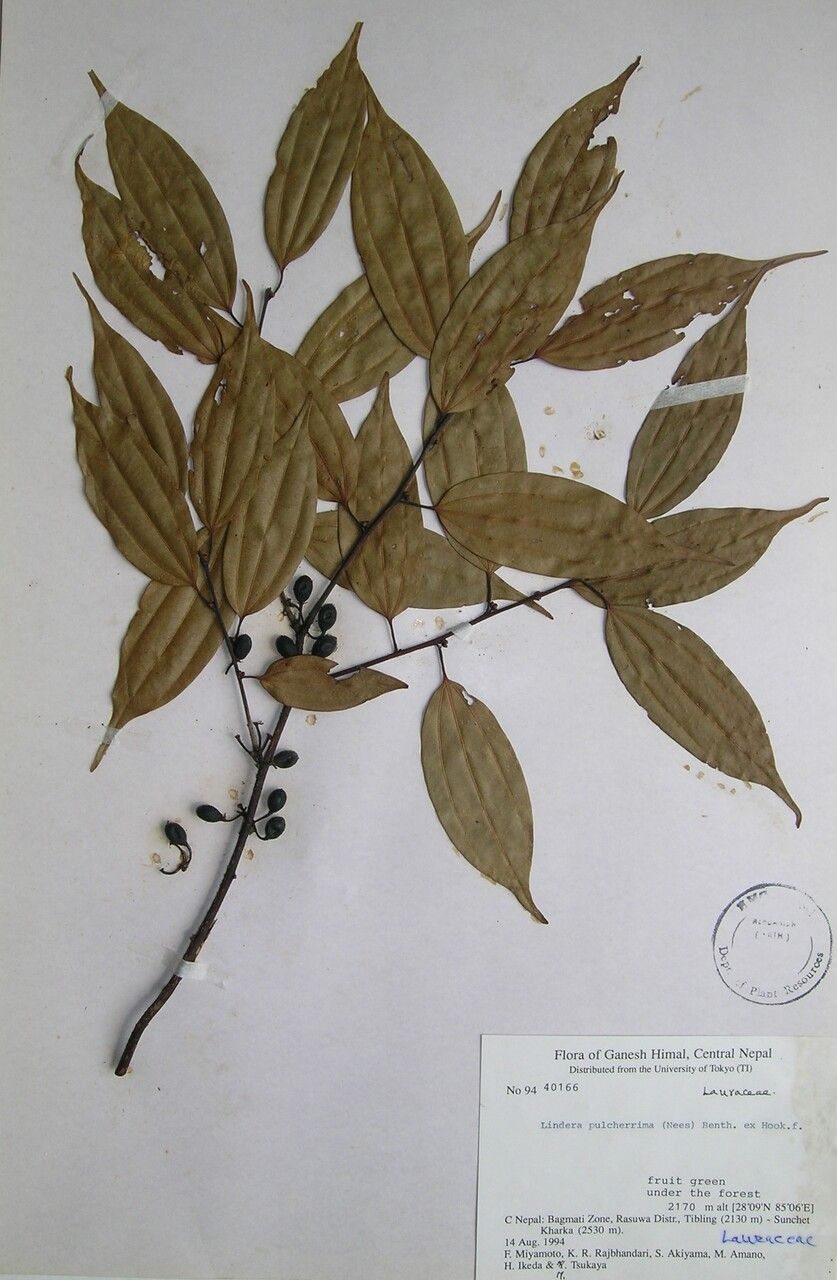
Oh, Lindera pulcherrima! What a beauty. If you’ve ever seen one of these shimmering, delicate beauties in bloom, you know exactly why they capture our hearts. Their subtle yet stunning yellow flowers in early spring are a welcome sight, a real herald of warmer days. And the foliage later on? Just gorgeous. While it might sound a little intimidating at first glance, don’t let that deter you. Propagating Lindera pulcherrima is a wonderfully rewarding project, and with a little guidance, it’s absolutely achievable, even if you’re relatively new to the gardening scene.
The Best Time to Start
For the highest success rates with Lindera pulcherrima, I always recommend aiming for late spring to early summer. This is when the plant is in its active growth phase, producing new, pliable shoots that are eager to root. You want to harvest cuttings from wood that is no longer completely ‘green’ and floppy, but not yet hard and woody. Think of it as being in that “softwood” stage.
Supplies You’ll Need
Getting your bits and bobs together beforehand makes the whole process so much smoother. Here’s what I usually have on hand:
- Sharp Pruning Shears or a Craft Knife: Clean cuts are crucial!
- Rooting Hormone (Powder or Gel): This is your best friend for encouraging robust root development.
- Small Pots or Seed Trays: With good drainage holes, of course.
- Well-Draining Potting Mix: I like a blend of peat moss or coco coir, perlite, and a bit of compost. A good quality seed starting mix often works beautifully too.
- Plastic Bags or a Propagator: To keep the humidity high.
- Watering Can or Spray Bottle: For gentle watering.
- Labels and a Marker: To keep track of your new babies!
Propagation Methods
While there are a few ways to go about this, stem cuttings are generally the most reliable for Lindera pulcherrima.
Stem Cuttings (Softwood Cuttings):
- Select Your Cuttings: Look for healthy, current-season shoots that are about 4-6 inches long. You want those that have started to firm up a bit, but are still flexible. Pinch the tip to test – if it snaps cleanly, it’s usually a good sign.
- Make the Cut: Using your sharp shears or knife, take a clean cut just below a leaf node. A leaf node is where a leaf attaches to the stem, and it’s where a lot of hormonal activity happens, encouraging root growth.
- Prepare the Cuttings: Gently remove the lower leaves from the cutting, leaving just two to three leaves at the top. If the remaining leaves are very large, I’ll sometimes snip them in half to reduce water loss through transpiration.
- Apply Rooting Hormone: Dip the cut end of the stem into your rooting hormone, making sure it’s coated. Tap off any excess.
- Plant Your Cuttings: Moisten your potting mix and fill your small pots or trays. Make a small hole in the center of the mix with a pencil or dowel rod. Carefully insert the cutting into the hole, ensuring the hormone-coated end is submerged in the soil. Gently firm the soil around the stem.
- Create a Humid Environment: Water the soil gently. Then, I like to place a clear plastic bag over the pot, supported by stakes or a frame so it doesn’t touch the leaves, or place the pots within a propagator. This traps moisture and creates that vital humid microclimate.
The “Secret Sauce” (Pro Tips)
Now, for a couple of little tricks that I’ve picked up over the years that really seem to help my Lindera cuttings get a head start:
- Bottom Heat is Your Friend: If you have one, placing your pots on a gentle heating mat can make a world of difference. It encourages root development from the bottom up, and speeding up that process is key. Think of it as giving the roots a warm, cozy start to life.
- Don’t Over-Water the Mix: While humidity is vital, you don’t want your cuttings sitting in soggy soil. The mix should be damp, not waterlogged. Overwatering is the quickest route to rot. It’s better to err on the side of slightly too dry than too wet.
- Cleanliness is Next to Godliness: Always make sure your tools, pots, and even your hands are squeaky clean. Bacteria and fungal spores are the enemies of new cuttings, so a little scrub and a rinse can prevent a lot of heartache down the line.
Aftercare & Troubleshooting
Once your cuttings are planted, place them in a bright spot with indirect light. Avoid direct sun, which can scorch those tender new shoots and overheat the propagator. Keep an eye on the moisture level and mist them gently if the soil begins to dry out.
You’ll know your cuttings are starting to root when you see new leaf growth, or if you gently tug on the cutting and feel a bit of resistance. This can take anywhere from 4 to 10 weeks, so patience is truly a virtue here!
The most common problem you’ll encounter is rot. If a cutting turns black and mushy, it’s unfortunately a goner. This is usually a sign of too much moisture and not enough air circulation. If you see signs of mold, try to remove the affected bits immediately and increase ventilation. Another sign of failure is if the cutting simply shrivels and dies, which can happen if it dries out too much or if the rooting hormone wasn’t effective.
A Encouraging Closing
Propagating plants like Lindera pulcherrima isn’t about perfection; it’s about learning, experimenting, and enjoying the journey. Each little cutting you nurture is a testament to the vibrant life force of nature, and a chance to grow your own beautiful specimens. So grab your tools, get your hands in the soil, and give it a try. Even if not every cutting makes it, the ones that do will bring you immense joy. Happy gardening!
Resource: