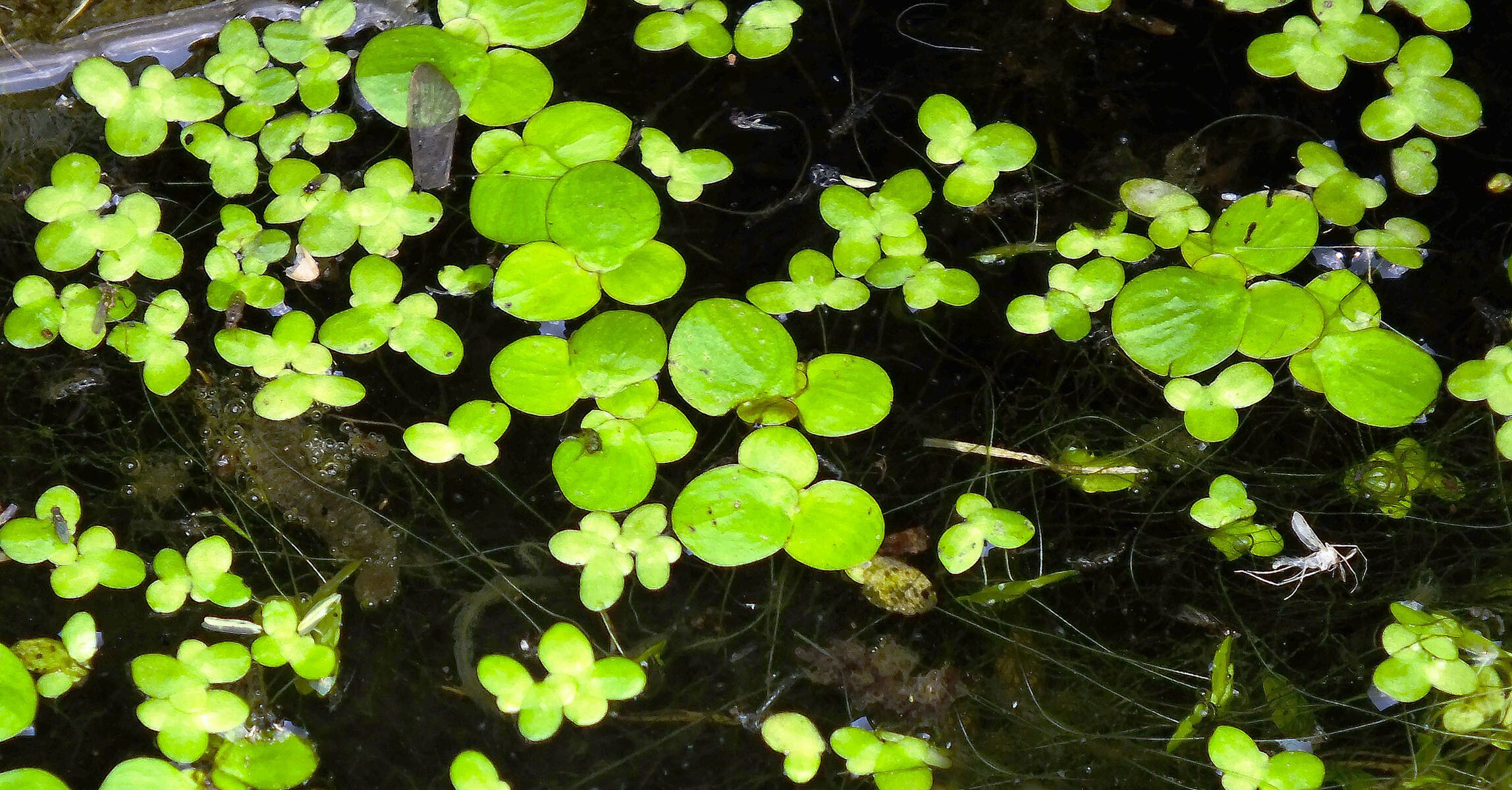
Hey there, fellow plant lovers! If you’ve ever admired those charming little duckweed plants carpeting the surface of a pond or water feature, you’re in for a treat. Today, we’re diving into the wonderful world of Lemna aequinoctialis, also known as lesser duckweed. This tiny aquatic wonder is incredibly appealing for its lush, green blanket effect and its ability to thrive with minimal fuss. Propagating it is not just easy, it’s downright delightful! Honestly, if you’re new to the gardening game, this is a fantastic plant to start with.
The Best Time to Start
The great news is, you can propagate Lemna aequinoctialis pretty much anytime the plant is actively growing. Think of spring and summer as prime time when everything is bursting with life. If you’ve got a healthy, established clump, you can usually take cuttings or split it as soon as you see new fronds appearing. Don’t stress too much about the exact timing; these little guys are eager to spread!
Supplies You’ll Need
You won’t need a fancy greenhouse for this! Here’s what will make your propagation journey smooth sailing:
- A healthy, established clump of Lemna aequinoctialis
- A clean container (a shallow dish, a small bowl, or even a clear plastic cup works wonders)
- Non-chlorinated water (rainwater or water left out overnight is perfect)
- A small, clean scooper or spoon (a turkey baster is surprisingly effective too!)
- Optional: A magnifying glass if you want to really appreciate the details!
Propagation Methods
Okay, let’s get our hands (or rather, our tools) a little wet! The primary way to propagate Lemna aequinoctialis is incredibly straightforward.
Water Propagation (The Easy Way!)
This is really the star of the show for duckweed. It’s basically letting nature do its thing, with a little gentle nudging.
- Gather Your Parent Plant: Carefully collect a healthy clump of Lemna aequinoctialis from your existing source. You’re looking for vibrant green fronds without any signs of yellowing or decay.
- Prepare Your New Home: Fill your clean container with about an inch or two of non-chlorinated water. Shallow is generally better for these tiny floaters.
- Introduce the Stars: Gently float a good number of the Lemna aequinoctialis fronds onto the surface of the water. Don’t overcrowd them right away; give them a little breathing room.
- Let Them Multiply: Place your container in a spot that receives bright, indirect light. Avoid direct, scorching sunlight, which can overheat the water. Now, the magic happens! The fronds will start to grow and reproduce on their own. You’ll see them rapidly expand and cover the surface.
The “Secret Sauce” (Pro Tips)
While Lemna aequinoctialis is forgiving, a few little tricks can really boost your success and speed up the process.
- Water Quality is Key: I can’t stress this enough – use non-chlorinated water. Chlorine can be really tough on these delicate aquatic plants. Rainwater is ideal, or just let tap water sit out in an open container for 24 hours to allow the chlorine to dissipate.
- Remove the Old, Welcome the New: As your duckweed grows, you might notice some older fronds start to look a bit tired. Gently scoop out any dying or decaying fronds. This prevents them from fouling the water and makes more space for the healthy new growth to flourish.
- Give Them Room to Grow: Don’t be afraid to thin out your duckweed if it gets too crowded. When the fronds are packed in too tightly, they can compete for light and nutrients, slowing down reproduction. Scoop out half and start a new batch, or share with a friend!
Aftercare & Troubleshooting
Once you see your new Lemna aequinoctialis developing, you’re on the home stretch!
- Ongoing Care: Continue to maintain your non-chlorinated water supply. Top it up as needed to keep the water level consistent. Keep an eye on the light – bright, indirect light is best.
- Troubleshooting: The most common issue you might encounter is rot, usually caused by stagnant water or decaying plant matter. If you see this happening, immediately remove the affected fronds and do a partial water change with fresh, non-chlorinated water. Overcrowding can also lead to a slowdown in growth, so thinning is your best friend. Yellowing fronds are often a sign of insufficient light or nutrient deficiency, though with duckweed, it’s usually the former.
A Little Patience Goes a Long Way
Seeing Lemna aequinoctialis take off is one of gardening’s simple pleasures. It multiplies so quickly, it’s like watching a tiny green explosion! Don’t be discouraged if your first batch isn’t a carpet overnight. Just keep those little fronds happy with good water and light, and you’ll be amazed at how fast they fill up their new home. Enjoy the process, and happy propagating!
Resource:
https://identify.plantnet.org/k-world-flora/species/Lemna%20aequinoctialis%20Welw./data