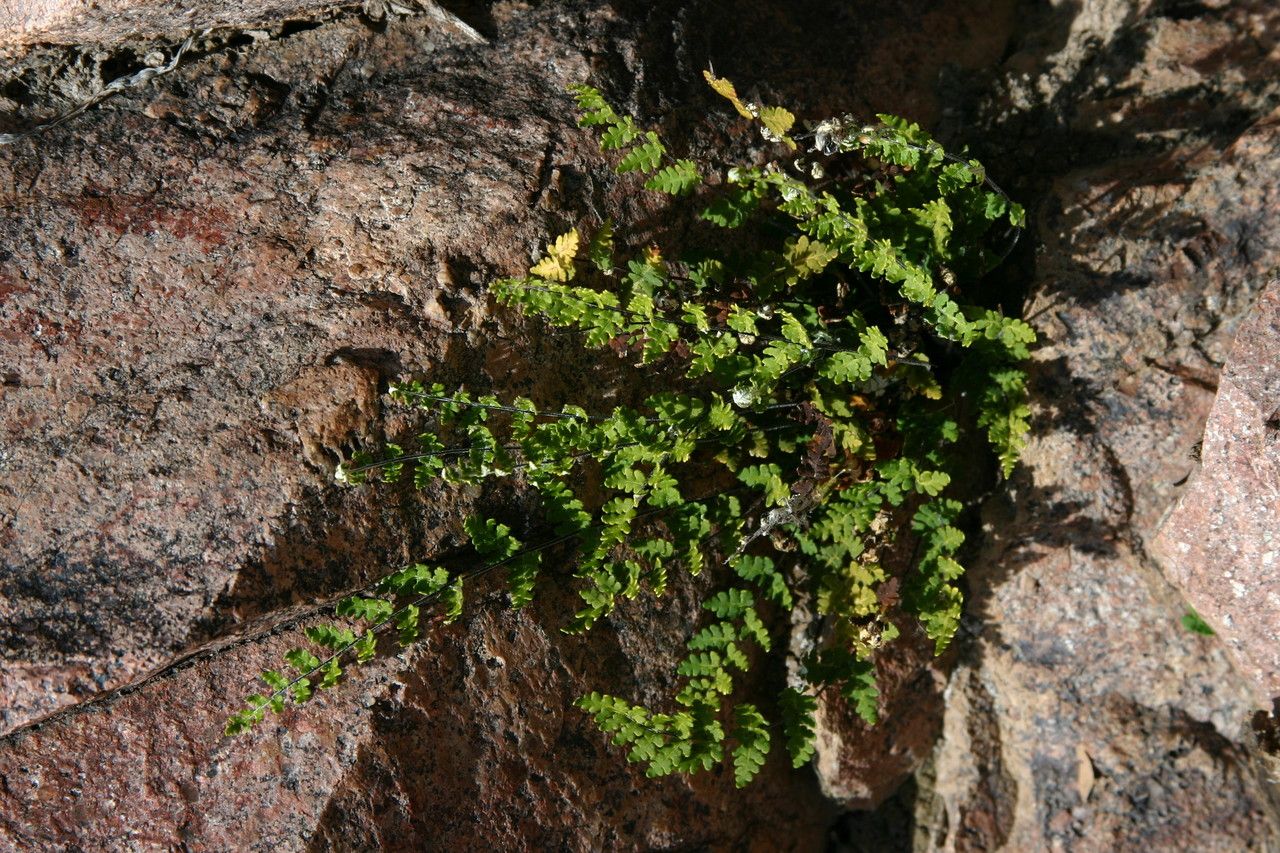
Oh, hello there! It’s so lovely to have you join me for a little chat about one of my absolute favorite ferns: Hemionitis lemmonii. You know, the one with those beautifully textured, almost leathery leaves, often with striking bronze or reddish undersides? It truly brings a touch of wild elegance to any indoor jungle. And the best part? Growing more of these beauties from your existing plant is not only possible but incredibly rewarding. It’s like giving your plant a little nudge to share its magic. Now, is it for absolute beginners? I’d say it’s more of a “take-it-slow” kind of plant, but with a little patience and these tips, you’ll be well on your way.
The Best Time to Start
For Hemionitis lemmonii, spring is truly your best friend. As the days get longer and the plant is gearing up for active growth, it’s much more likely to be energized and ready to send out new roots. Think of it as waking up from its winter nap and feeling a burst of enthusiasm. Aim for late spring or early summer, just as you start to see fresh fronds unfurling.
Supplies You’ll Need
Gathering your tools before you begin makes the whole process smoother. Here’s what I always have on hand:
- Sharp, clean pruning shears or a sharp knife: For making clean cuts.
- Well-draining potting mix: I like a blend of houseplant soil mixed with perlite and a bit of orchid bark. About 2 parts soil to 1 part perlite and 1 part bark is a good starting point.
- Small pots or propagation trays: Terracotta pots are excellent for breathability.
- Clear plastic bags or a propagation dome: To create a humid environment.
- Watering can with a fine rose: For gentle watering.
- Optional: Rooting hormone powder: While not strictly necessary for Hemionitis, it can give an extra boost.
Propagation Methods
Hemionitis lemmonii is wonderfully amenable to a couple of propagation techniques. For me, the easiest and most successful is through division. However, I’ve also had luck with collecting spores, which is a bit more of a long-game endeavor but incredibly satisfying.
Method 1: Division (My Go-To!)
This is like gently tucking your plant into bed and having it sprout new little ones!
- Gently remove your plant from its pot. Be careful not to disturb the roots too much.
- Inspect the root ball. Look for distinct clumps or sections where new growth is emerging from the main root system. You might see little baby plants already forming at the base.
- Using your clean shears or knife, carefully separate these divisions. You want to ensure each section has some healthy roots attached. Don’t be afraid to be a little firm but also gentle.
- Pot up each division into its own small pot filled with your prepared potting mix.
- Water thoroughly to settle the soil around the roots.
- Cover the pot with a clear plastic bag or propagation dome. This is crucial for maintaining high humidity, which young divisions desperately need.
- Place the pot in bright, indirect light. Avoid direct sun, as it can scorch the delicate new growth.
Method 2: Spores (For the Patient Gardener)
This is a fascinating journey that mimics how ferns reproduce in the wild. It’s a slow burn but oh-so-cool!
- Look for sporangia on the underside of mature fronds. These are usually small, brown dots or lines.
- Carefully snip off a frond with ripe sporangia.
- Place it on a piece of clean paper inside a loosely closed envelope or bag. Within a few days, you’ll see tiny black specks fall – these are your spores!
- Sterilize your propagation container. I usually use a clean plastic container with a lid.
- Fill the container with a thin layer of sterilized, sterile substrate. A 50/50 mix of peat moss and perlite, or even just vermiculite, works well. Moisten it thoroughly but ensure there’s no standing water.
- Sow the spores by lightly sprinkling them over the surface. You just want a light dusting.
- Cover the container and place it in bright, indirect light. Keep the substrate consistently moist by misting or a gentle watering from the bottom.
- Be patient! It can take weeks or even months for gametophytes to appear, and then even longer for tiny sporophytes (baby ferns) to develop.
The “Secret Sauce” (Pro Tips)
Here are a couple of tricks I’ve learned over the years that really make a difference:
- Don’t Let the Leaves Touch the Soil (Especially for Division): When you’re potting up your divisions, make sure the base of the fronds isn’t submerged in the potting mix. Too much moisture sitting on the leaves can encourage rot, and we definitely don’t want that!
- Bottom Heat is Your Friend: For divisions, I find placing them on a seedling heat mat can significantly speed up root development. It mimics the warmth of spring soil and gives those new roots a real head start. Just be sure the mat isn’t set too high; warm to the touch is perfect.
Aftercare & Troubleshooting
Once your divisions have started sending up new fronds, or those tiny fernlets appear from spores, you can gradually acclimate them to slightly lower humidity. Remove the plastic bag for a few hours each day, slowly increasing the time until they’re happy without it. Still keep them in bright, indirect light.
The most common issue you might encounter is rot. This usually happens if the plant is kept too wet or has poor air circulation. If you notice a division or sporophyte turning mushy and brown, it’s likely rot. Unfortunately, it’s often hard to save them once this happens, so prevention through careful watering and good airflow is key.
A Little Encouragement
Propagating Hemionitis lemmonii is a journey, and like all good journeys, it requires a bit of patience. Don’t get discouraged if your first attempt isn’t a runaway success. Each time you try, you’ll learn a little more. Enjoy the process, celebrate the tiny victories (those first new fiddleheads are pure joy!), and before you know it, you’ll have a whole collection of these exquisite ferns to share. Happy growing!
Resource: