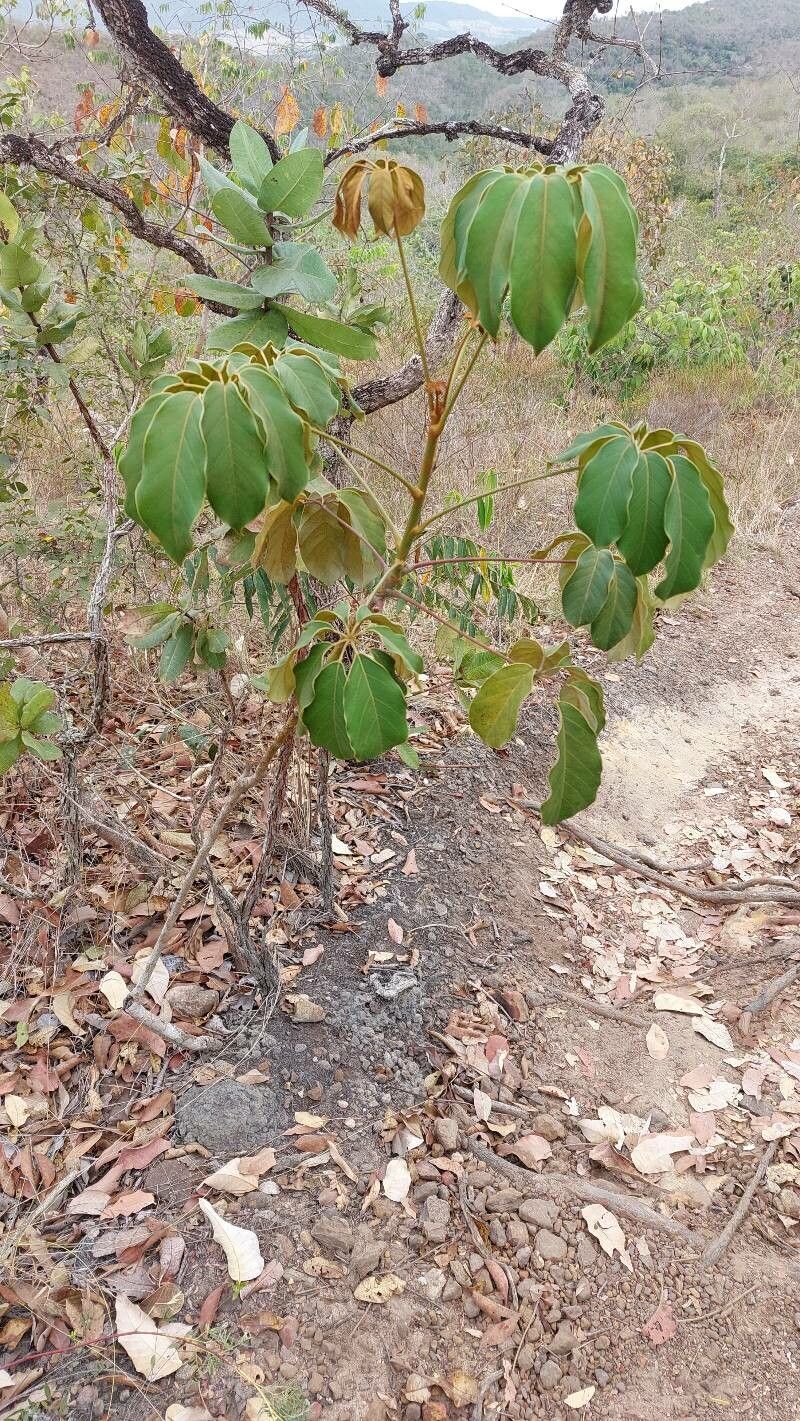
Hey there, fellow garden enthusiasts! Today, we’re diving into the wonderful world of propagating Didymopanax distractiflorus. If you’ve ever admired this plant’s unique, architectural foliage and the delightful, often fragrant flowers it produces, you’re in for a treat. Growing new plants from your existing ones is incredibly satisfying, a little bit like a horticultural magic trick. Didymopanax distractiflorus can be a bit of a specialty plant, so propagating it might present a moderate challenge for the absolute beginner, but with a little patience and the right approach, you’ll be rewarded with a whole new generation of these beauties.
The Best Time to Start
For the highest success rate with Didymopanax distractiflorus, think about late spring to early summer. This is when the plant is actively growing and has plenty of energy to put into new root development. You want to take cuttings from healthy, vigorous, semi-hardwood stems. These are stems that are a year old, still somewhat flexible but no longer completely soft and green.
Supplies You’ll Need
Here’s what you’ll want to gather before you get started:
- Sharp, clean pruning shears or a horticultural knife: Cleanliness is key to preventing disease.
- Rooting hormone powder or gel: This really gives your cuttings a boost.
- Well-draining potting mix: A good blend for this would be 50% peat moss and 50% perlite, or a commercial seed-starting mix.
- Small pots or trays: Make sure they have drainage holes.
- Plastic bags or a propagation dome: To create a humid environment.
- A small trowel or dibber: For making holes in the soil.
- Watering can with a fine rose: To water gently.
Propagation Methods
Let’s talk about getting your hands dirty! The most reliable method for Didymopanax distractiflorus is through stem cuttings.
- Take Your Cuttings: Select a healthy stem that’s about 4-6 inches long. Make your cut just below a leaf node. A leaf node is where a leaf attaches to the stem – roots often form most readily here. Remove the lower leaves, leaving just the top two or three.
- Apply Rooting Hormone: Dip the cut end of the stem into your rooting hormone, coating it evenly. Gently tap off any excess.
- Plant Your Cuttings: Fill your small pots or trays with your prepared potting mix. Use your trowel or dibber to make a small hole in the center of each pot. Carefully insert the cutting into the hole, ensuring the leaf node is buried. Gently firm the soil around the stem.
- Create Humidity: Water the soil thoroughly, allowing excess water to drain away. You want the soil to be moist but not soggy. Now, cover the pots with a plastic bag or place them under a propagation dome. This creates a humid microclimate, which is crucial for preventing the cuttings from drying out. You can secure the bag with a rubber band.
The “Secret Sauce” (Pro Tips)
Here are a couple of tricks I’ve learned over the years that can make a difference:
- Bottom Heat is Your Friend: If you have it, place your pots on a heat mat. This gentle warmth from below encourages root formation much faster. It mimics the conditions the plant loves when it’s naturally trying to spread.
- Watch the Airflow: While humidity is important, you don’t want stagnant, overly wet air. Every few days, lift the plastic bag or prop open your dome for a few minutes to allow for some air circulation. This helps prevent fungal diseases.
- Don’t Be Afraid to Experiment: If you’re taking multiple cuttings, try a few different rooting hormone concentrations or even try one without hormone to see what works best for your environment.
Aftercare & Troubleshooting
Once your cuttings have roots – congratulations! You’ll usually see root development within 4-8 weeks, sometimes longer. You can gently tug on a cutting; if there’s resistance, it has likely rooted.
- Gradual Acclimatization: Once roots are established, start gradually removing the plastic bag or opening the dome for longer periods over a week or two. This allows the new plant to adjust to drier air.
- Repotting: Once the new plant has a good root system and is actively growing, you can gently transplant it into a slightly larger pot with your regular potting mix.
- Troubleshooting: The most common issue is rot. If your cuttings look mushy, dark, and have a foul smell, they’ve likely rotted. This is often due to too much moisture, poor drainage, or lack of air circulation. If you see this, sadly, it’s time to discard the affected cuttings and reassess your watering and airflow. Yellowing leaves on a cutting can sometimes mean it’s not getting enough light, or it’s just a natural shedding of older leaves.
A Encouraging Closing
Propagating Didymopanax distractiflorus might take a little patience, but the reward of nurturing a new life from a piece of your beloved plant is truly special. Don’t get discouraged if your first attempt isn’t perfect; every gardener has their learning curve. Enjoy the process of watching new roots emerge and new growth appear. Happy propagating!
Resource:
https://identify.plantnet.org/k-world-flora/species/Didymopanax%20distractiflorus%20Harms/data