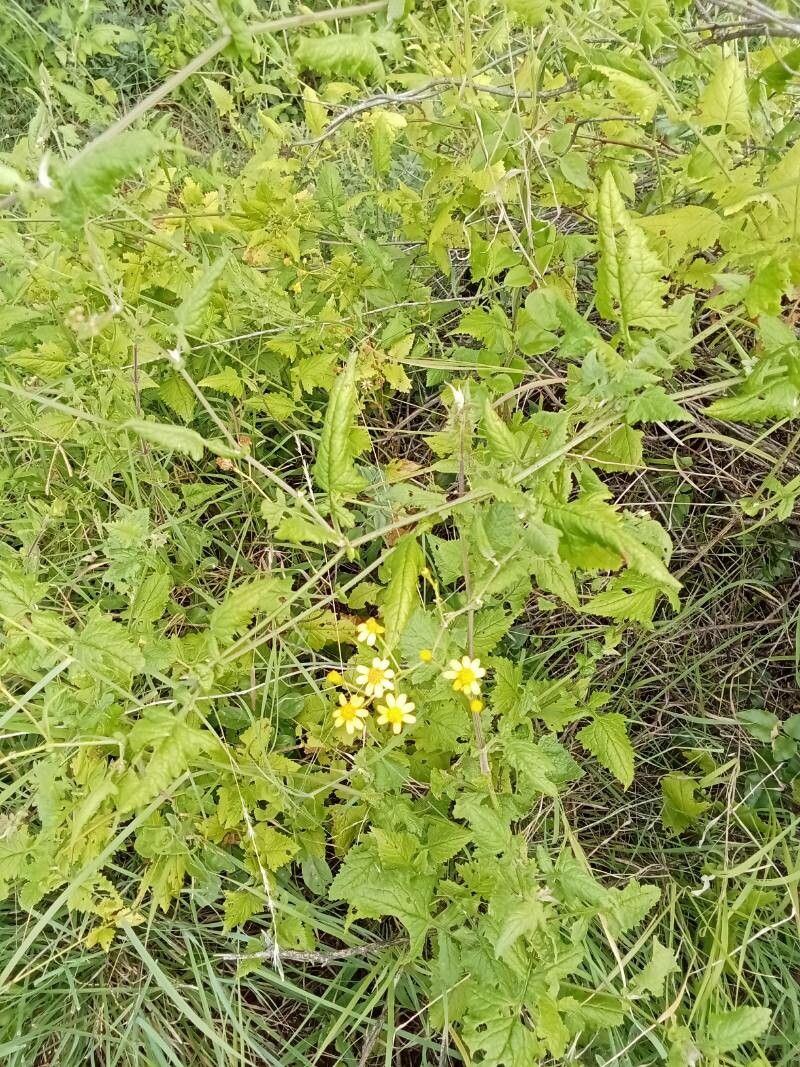
Oh, Cineraria deltoidea! If you’re looking for a bit of cheerful color and a plant that’s surprisingly rewarding to multiply, you’ve picked a winner. I’ve spent countless hours with these beauties, and trust me, coaxing a new little one into existence is one of gardening’s sweetest victories. While not entirely a “set it and forget it” type of propagation, it’s absolutely doable for beginners with a little patience and these tips from my own well-worn gardening gloves.
The Best Time to Start
For Cineraria deltoidea, the sweet spot for propagation is generally in the late spring or early summer. This is when the plant is actively growing and has plenty of energy to put into new roots. You’re looking for healthy, new growth that hasn’t yet become woody. Think of it as harvesting the tender, vibrant shoots of the season.
Supplies You’ll Need
Gathering your supplies beforehand makes the whole process so much smoother. Here’s what I always have on hand:
- Sharp, clean pruning shears or a craft knife: Sterilize them with rubbing alcohol to prevent disease.
- A good quality potting mix: I prefer a well-draining mix, something like a blend of peat moss and perlite, or a specialized seedling mix.
- Rooting hormone (optional but helpful): This encourages faster root development. Look for one with IBA (Indole-3-butyric acid).
- Small pots or seed trays: Ensure they have drainage holes!
- Watering can with a fine rose attachment: Or a spray bottle for gentle misting.
- Clear plastic bags or a propagation dome: To create a humid environment.
- Labels and a marker: Don’t forget to label your cuttings!
Propagation Methods
While Cineraria deltoidea can be grown from seed, stem cuttings are my go-to for guaranteed results and replicating those vibrant blooms.
Stem Cuttings: My Tried-and-True Method
- Select Your Cuttings: Look for healthy, non-flowering stems. You want cuttings that are about 3-5 inches long.
- Make the Cut: Using your sterilized shears or knife, take a clean cut just below a leaf node (where a leaf attaches to the stem). Remove the lower leaves, leaving at least two to four leaves at the top.
- Prepare for Rooting: If you’re using rooting hormone, dip the cut end of the stem into the powder, tapping off any excess.
- Planting the Cuttings: Fill your small pots with your moistened potting mix. Make a small hole in the center with your finger or a pencil. Gently insert the cutting into the hole, ensuring the leaf nodes are below the soil surface. Firm the soil gently around the stem.
- Create a Humid Environment: Water the soil lightly, just enough to settle it. Then, place the pot inside a clear plastic bag, forming a mini-greenhouse, or cover it with a propagation dome. This keeps the humidity high, which is crucial for cuttings to form roots.
- Placement: Place the potted cuttings in a bright spot that receives indirect sunlight. Avoid direct sun, as it can scorch the delicate cuttings.
The “Secret Sauce” (Pro Tips)
After years of tinkering, here are a few things I’ve learned that make a real difference:
- Don’t Overcrowd Your Pots: Give each cutting a little space. If they’re too crammed, they compete for resources and can lead to rot. Aim for just one cutting per small pot.
- Bottom Heat is a Game Changer: If you have a seedling heat mat, placing your pots on it can significantly speed up root development. The gentle warmth encourages the roots to form from the bottom up. Just make sure the heat isn’t too intense – lukewarm is perfect.
- Mist, Don’t Drench: While humidity is key, keeping the leaves constantly wet can invite fungal issues. I like to mist the inside of the plastic bag or dome every couple of days if it looks dry, rather than directly spraying the cuttings themselves.
Aftercare & Troubleshooting
Once you see new growth emerging from the top of your cutting – little leaves unfurling or the stem looking plumper – that’s a good sign roots are forming!
- Gradual Acclimation: Don’t yank the plastic bag off all at once. Gradually introduce your new plant to normal room humidity by opening the bag a little more each day for about a week.
- Watering: Water when the top inch of soil feels dry to the touch. Avoid letting it sit in soggy conditions; this is a recipe for root rot, which is probably the most common pitfall. You might see stems turning black and mushy if rot sets in. If this happens, unfortunately, that cutting is likely lost.
- Repotting: Once your new plant has a good root system (you might see roots peeking out the drainage holes), you can transplant it into a slightly larger pot with fresh potting mix.
Happy Growing!
Don’t be discouraged if not every cutting takes. Gardening is a journey of learning and experimenting, and Cineraria deltoidea is a wonderful teacher. Be patient, enjoy the process of nurturing these tiny starts, and before you know it, you’ll have a beautiful collection of cheerful blooms to share. Happy propagating!
Resource:
https://identify.plantnet.org/k-world-flora/species/Cineraria%20deltoidea%20Sond./data