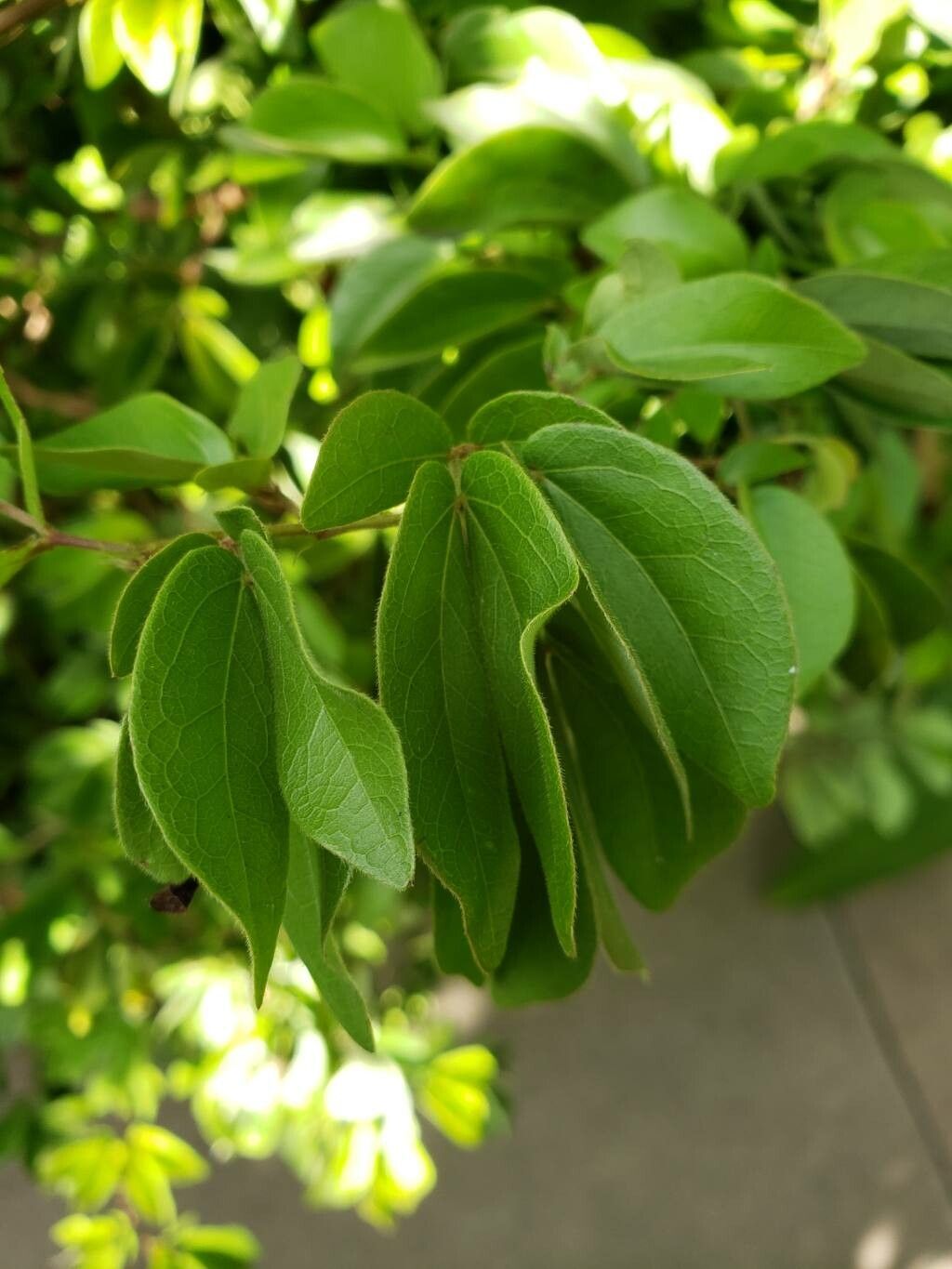
Hello, fellow plant lovers! I’m so excited to talk to you today about a truly delightful plant: Calliandra tergemina. You might know it by its common names, like the Powder Puff or the Fairy Duster. And oh, are they aptly named! Their fluffy, vibrant blooms are like little bursts of joy in the garden, attracting all sorts of pollinators.
Propagating these beauties is such a rewarding endeavor. There’s a special kind of magic in taking a tiny piece of a plant and nurturing it into a whole new life. And good news for you! While not exactly beginner-level, Calliandra tergemina is quite forgiving, making it a wonderful plant to experiment with propagation. You’ll feel like a horticultural wizard in no time.
The Best Time to Start
For the highest chance of success with Calliandra tergemina, I always recommend starting in the late spring or early summer. This is when the plant is actively growing, and those young, tender stems have plenty of energy to dedicate to forming roots. You can sometimes get away with rooting later in the season, but the growth will be slower, and overwintering might be a bit trickier. Look for stems that are soft and bendy, not woody and stiff.
Supplies You’ll Need
Gathering your tools beforehand makes the whole process so much smoother. Here’s what I always have on hand:
- Sharp pruning shears or a clean, sharp knife: For making clean cuts.
- Rooting hormone (optional but recommended): A powder or gel that encourages root development.
- Well-draining potting mix: I like a blend of equal parts perlite and peat moss, or a good quality seed-starting mix. Regular potting soil can hold too much moisture.
- Small pots or containers: Clean ones are crucial to prevent disease. About 4-inch pots work well.
- Plastic bags or a propagator: To create a humid environment.
- Spray bottle: For misting.
- Labels: To keep track of what you’ve planted and when!
Propagation Methods
We’ll focus on the most common and effective method for Calliandra tergemina: stem cuttings.
- Take Your Cuttings: In late spring or early summer, select a healthy, non-flowering stem. Using your sharp shears or knife, take cuttings that are about 4-6 inches long. Make a clean cut just below a leaf node (where a leaf attaches to the stem). Remove the lower leaves, leaving just a couple at the top.
- Prepare the Cuttings: If you’re using rooting hormone, dip the cut end of each stem into the powder or gel. Tap off any excess. This step isn’t strictly mandatory, but it definitely gives the cuttings a boost.
- Potting Them Up: Fill your clean pots with your well-draining potting mix. Moisten the mix thoroughly with water. Make a small hole in the center of the soil with your finger or a pencil.
- Insert the Cuttings: Gently insert the prepared cuttings into the holes, ensuring at least one leaf node is below the soil line. Firm the soil around the stem to hold it in place.
- Create Humidity: Water everything gently. Then, I like to place the potted cuttings inside a clear plastic bag or cover the pot with a propagator lid. This creates a mini-greenhouse, keeping the humidity high and preventing the cuttings from drying out. Make sure the leaves aren’t touching the sides of the bag, as this can lead to rot.
- Find a Good Spot: Place your pots in a bright location but out of direct sunlight. A warm spot is ideal.
The “Secret Sauce” (Pro Tips)
Here are a few tricks I’ve learned over the years that can really make a difference:
- Bottom Heat is Your Friend: If you have a heated propagator mat, using it under your pots can dramatically speed up the rooting process. It mimics the warm soil temperatures of summer and encourages those roots to form more quickly.
- Don’t Be Afraid to Mist: Regularly misting the leaves, either inside the bag or with the bag open for a few minutes each day, helps keep them turgid and happy. But be careful not to overwater the soil itself; we want moist, not soggy.
- Patience is Key for the “Clean Cut”: I know it sounds basic, but a really clean cut with a sharp tool is paramount. A ragged cut can introduce disease and make it harder for the plant to callus over and begin rooting. It’s worth taking an extra second to get it right.
Aftercare & Troubleshooting
Once you see new growth emerging from the top of your cuttings, that’s a good sign roots are forming! You can gently tug on the cutting; if there’s resistance, you’ve got roots.
Gradually acclimate your new plants to normal room humidity by opening the plastic bag or propagator lid a little more each day over a week. Once they seem to be handling it well, you can remove them altogether. Continue to water when the top inch of soil feels dry.
Now, for the troubleshooting. The most common issue you’ll face is rot. If your cuttings turn black and mushy, it’s usually a sign of too much moisture and not enough air circulation. This is why good drainage and humidity control are so important. If you spot rot, unfortunately, that cutting is likely lost, but don’t get discouraged! Learn from it and try again. Another sign of failure is wilting that doesn’t perk up even after misting – the cutting has simply dried out too much.
A Little Patience Goes a Long Way
Propagating Calliandra tergemina is a wonderful journey. It takes a bit of attention and a willingness to experiment. Don’t be disheartened if your first few attempts aren’t perfect. Every gardener has had their share of potting mix failures! Just keep trying, observe your cuttings, and most importantly, enjoy the process of bringing new life into your garden. Happy planting!
Resource:
https://identify.plantnet.org/k-world-flora/species/Calliandra%20tergemina%20(L.)%20Benth./data