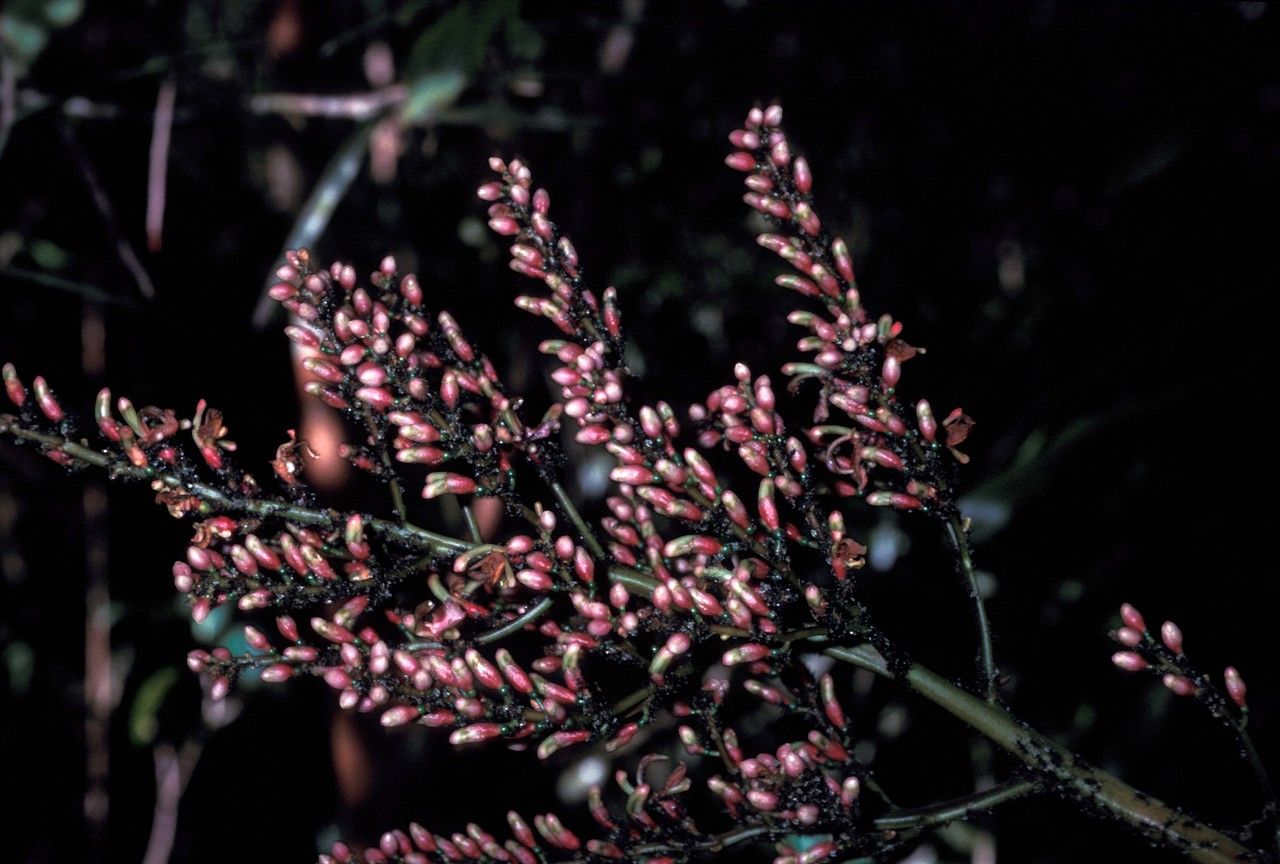
Hello, fellow plant enthusiasts! If you’ve ever admired the striking, architectural beauty of Alpinia nieuwenhuizii, with its vibrant blooms and lush foliage, you’re in for a treat. Propagating this tropical gem can be incredibly rewarding, allowing you to fill your home or garden with more of its magic. While it might seem a tad intimidating at first glance, I promise you, with a little guidance, you’ll be well on your way to multiplying your Alpinia treasures. It’s generally considered moderately easy, so don’t shy away!
The Best Time to Start
For Alpinia nieuwenhuizii, the sweetest spot for propagation is during its active growing season. Think late spring through early summer. This is when the plant has plenty of energy stored up to push out new roots and shoots. Trying to propagate when the plant is dormant will likely lead to disappointment. You’ll want to work with healthy, established specimens.
Supplies You’ll Need
Here’s a little kit to get you going:
- Sharp Pruning Shears or a Clean Knife: For making clean cuts.
- Well-Draining Potting Mix: A blend of peat moss, perlite, and a bit of compost works wonders. You can also get specific rhizome potting mixes.
- Rooting Hormone (Optional but Recommended): A powder or gel to give those cuttings a boost.
- Small Pots or Trays: About 4-6 inches in diameter, with drainage holes, of course!
- Watering Can or Spray Bottle: For gentle moisturizing.
- Clear Plastic Bag or Propagator Lid: To create a humid environment.
- Labels: To remember what you’ve planted and when!
Propagation Methods
The most reliable way to propagate Alpinia nieuwenhuizii is through division of its rhizomes. These are the thick, underground stems that grow horizontally.
Here’s how I do it:
- Gently Excavate: Carefully dig up your Alpinia. You can do this by loosening the soil around the edges of the pot or around the plant in the ground. You want to expose the rhizomes without damaging them too much.
- Inspect the Rhizomes: Look for healthy, plump sections of rhizome. You’re searching for pieces that have at least one bud or eye and ideally a few small roots already attached.
- Make the Cut: Using your clean shears or knife, distinctly separate a section of rhizome. Make sure the cut is clean and smooth. If a rhizome looks old, woody, or mushy, it’s best left alone.
- Prepare the Cutting: If you’re using rooting hormone, dip the cut end into it. This step isn’t always mandatory, but it can significantly speed up the rooting process.
- Planting Time: Fill your chosen pots with your well-draining potting mix. Make a hole in the center, large enough to accommodate the rhizome piece. Position the rhizome so the buds are facing upwards. Cover the rhizome with about 1-2 inches of soil.
- Initial Watering: Water gently but thoroughly. You want the soil to be moist, not waterlogged.
The “Secret Sauce” (Pro Tips)
Now, for a couple of my favorite tricks:
- Don’t Be Afraid of a Little Drying: After you make the division and before you pot it up, I like to let the cut surface of the rhizome air dry for an hour or two. This helps to callous over the cut, which can prevent rot from setting in.
- Bottom Heat is Your Friend: While most plants do well with ambient warmth, Alpinia absolutely loves a little boost from beneath. Placing your pots on a heat mat designed for seedlings can dramatically improve rooting success, especially if your home tends to be on the cooler side.
Aftercare & Troubleshooting
Once your rhizomes are planted, it’s time to nurture them.
- Keep it Humid: This is crucial! Place a clear plastic bag over the pot, or use a propagator lid. Make sure the bag isn’t touching the soil directly if you can help it. Ventilate daily by opening the bag for a few minutes to allow for air circulation.
- Consistent Moisture: Keep the soil consistently moist but not soggy. Check the moisture level by probing the soil with your finger. If the top inch feels dry, it’s time to water.
- Light but Not Harsh: Place the pots in a bright spot away from direct, intense sunlight. Dappled shade or bright indirect light is perfect.
- Be Patient: It can take anywhere from a few weeks to a couple of months for new growth to appear. Don’t give up if you don’t see immediate results!
The most common issue you might encounter is rot. If you see your rhizome turning mushy, black, or smelling off, it’s likely succumbed to rot. This usually happens from overwatering or poor drainage. If you catch it early, you might be able to salvage a healthy section, but often, it’s a sign that conditions weren’t quite right. Yellowing leaves on a seemingly unrooted cutting can also indicate it’s struggling, often due to lack of warmth or moisture.
A Encouraging Closing
Watching a new Alpinia sprout is one of those simple joys that truly nourishes the soul. Remember, gardening is as much about the journey as it is the destination. Be patient with your new propagations, learn from every success and every little setback, and most importantly, enjoy the process of growing these magnificent plants. Happy propagating!
Resource:
https://identify.plantnet.org/k-world-flora/species/Alpinia%20nieuwenhuizii%20Valeton/data