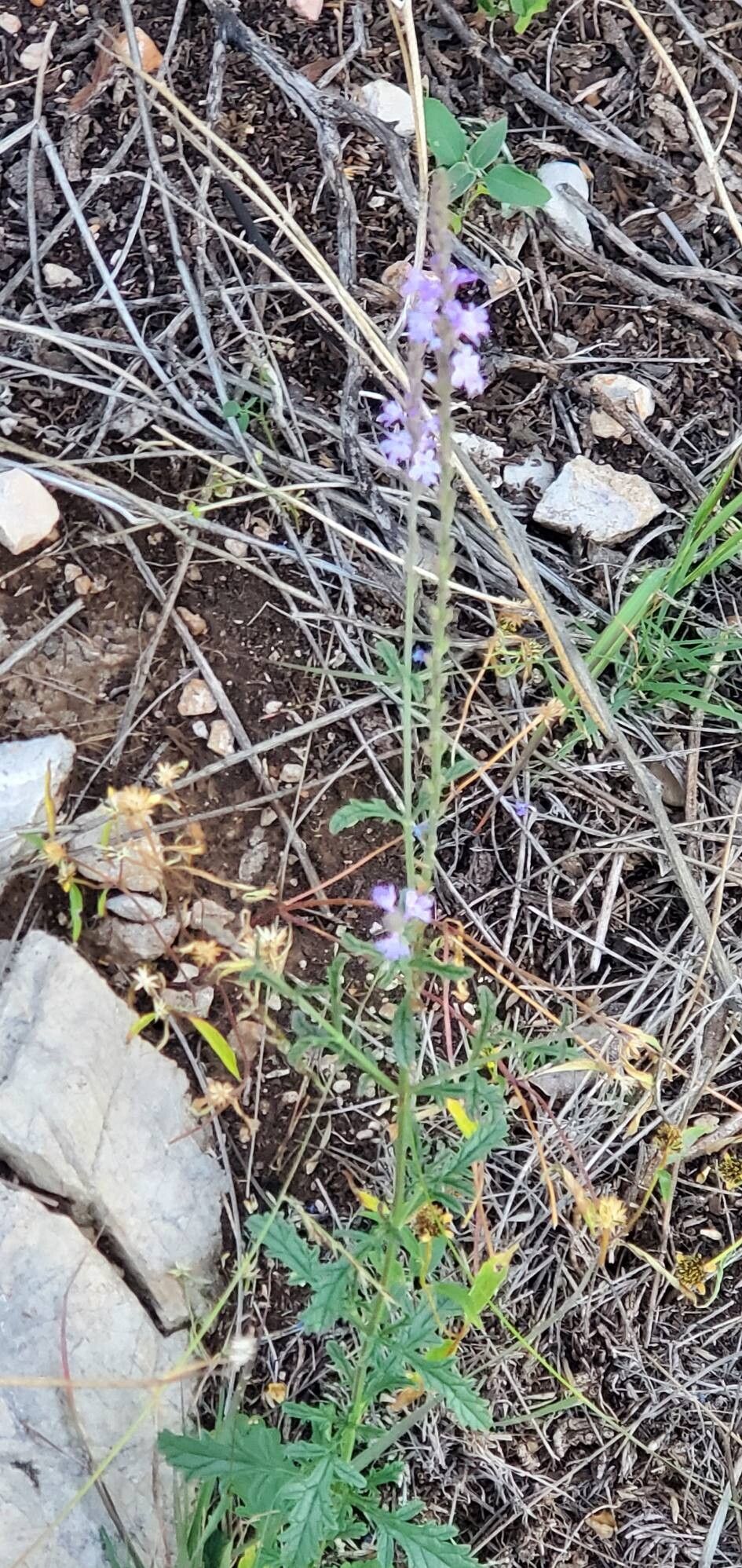
Oh, Verbena canescens! If you’ve ever admired those delicate, lovely blooms tumbling over a garden wall or spilling from a hanging basket, you’re not alone. I’ve grown so much verbena over the years, and there’s something truly special about coaxing a new plant to life from a little piece of an existing one. It’s like a gardening superpower, really! And happily, for us home gardeners, Verbena canescens is a pretty good candidate for propagation, even for those just dipping their toes into this wonderfully messy hobby.
The Best Time to Start
Generally, I find late spring to early summer is my sweet spot for propagating Verbena canescens. Once the plant has really gotten going after winter and is in active growth, it’s full of energy. This makes it much more likely to take the whole “growing new roots” thing in stride. You’re looking for stems that are no longer floppy and young but haven’t gotten too woody yet. Think of them as being in their prime, not too old, not too young.
Supplies You’ll Need
To get started, you’ll want a few things:
- Sharp Pruning Shears or a Clean Knife: For making nice, clean cuts. We don’t want to tear anything!
- Small Pots or Seed Trays: Clean ones are a must to avoid unwelcome guests.
- A Good Potting Mix: I like a mix that’s well-draining. Often, a seed starting mix or a potting mix blended with perlite or coarse sand works wonderfully. We don’t want roots sitting in soggy soil.
- Rooting Hormone (Optional but Recommended): This little helper gives your cuttings a much better chance of success. Just a dip is all it takes!
- A Spray Bottle: For misting.
- Plastic Bags or a Clear Dome: To create a humid environment for your cuttings.
Propagation Methods
I usually stick to the stem cutting method for Verbena canescens. It’s straightforward and generally yields the best results for me. Here’s how I do it:
- Take Your Cuttings: Choose a healthy, non-flowering stem. Look for a section that’s about 4-6 inches long. Using your clean shears, make a cut just below a leaf node (where the leaves attach to the stem). This is a prime spot for root development.
- Prepare the Cuttings: Gently remove the lower leaves from the cutting, leaving just two or three sets of leaves at the top. If the leaves are very large, you can even snip them in half to reduce moisture loss.
- Dip in Rooting Hormone: If you’re using rooting hormone, dip the cut end of the stem into the powder or gel. Tap off any excess.
- Plant Your Cuttings: Fill your small pots with your prepared potting mix. Make a small hole in the center with your finger or a pencil. Insert the cutting into the hole, making sure the leaf nodes you cleared are beneath the soil surface. Gently firm the soil around the cutting.
- Water Gently: Water the soil thoroughly but gently. A good initial watering helps settle the soil around the cutting.
- Create Humidity: Cover the pot with a clear plastic bag (supported by stakes so it doesn’t touch the leaves!) or place a clear dome over the tray. This “mini-greenhouse” effect is crucial for preventing the cuttings from drying out before they can grow roots.
The “Secret Sauce”
Here are a couple of things I’ve learned over the years that make a real difference:
- Don’t let the leaves touch the water (if you were ever tempted to try water propagation): While some plants love water propagation, Verbena canescens is more prone to rot in my experience if leaves are submerged. Stick to soil!
- Bottom Heat is your friend! If you happen to have a heat mat designed for seedlings, placing your pots on it can really speed up root formation. It mimics the warmth of spring soil and gives those root cells a nice cozy environment to get to work. I’ve seen cuttings root so much faster with it.
Aftercare & Troubleshooting
Once you’ve got your cuttings planted, place them in a bright spot that receives indirect sunlight. Direct sun can scorch young, tender cuttings. Keep the soil consistently moist but not waterlogged. You can check by gently poking your finger into the soil. If it feels dry, it’s time to lightly water.
You’ll know your cuttings have rooted when you see new leaf growth or they start to resist gently when you give them a tiny tug (don’t pull them out though!). This usually takes anywhere from 3 to 6 weeks.
The most common issue you might encounter is rot. This happens when the soil stays too wet or the humidity is too high for too long without enough air circulation. If you see any stems turning mushy or black, it’s best to remove them immediately to prevent it from spreading. Make sure your ventilation is adequate.
A Encouraging Closing
Propagating plants is such a rewarding journey. It requires a little patience and observation, but seeing those tiny roots emerge and then a brand new plant unfurl is just pure joy. Don’t be discouraged if not every cutting takes – it’s part of the learning process! Just enjoy the experience, get your hands a little dirty, and soon you’ll be sharing your beautiful Verbena canescens with friends and family. Happy propagating!
Resource:
https://identify.plantnet.org/k-world-flora/species/Verbena%20canescens%20Kunth/data