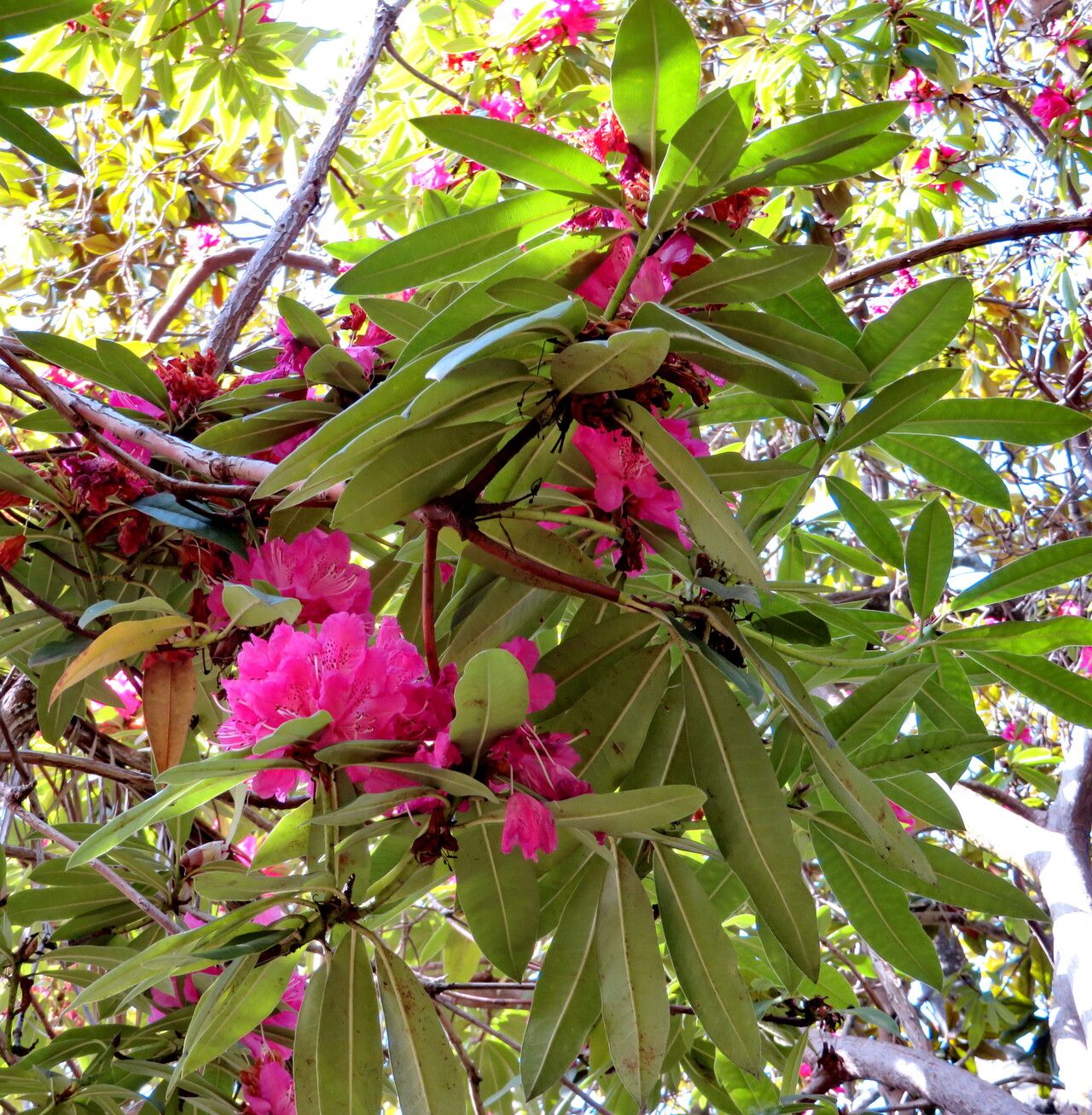
Oh, Rhododendron arboreum! Isn’t she a beauty? With those stunning, bell-shaped flowers that explode in a riot of color – often pinks, reds, and whites – it’s no wonder so many of us gardeners fall head over heels for this majestic shrub. And the scent! It’s intoxicating, truly.
Now, about propagating Rhododendron arboreum. Let’s be honest, it’s not the absolute easiest plant to propagate from scratch for a complete beginner. It requires a bit of patience and understanding. But don’t let that discourage you! If you’re ready for a little gardening adventure, the reward of watching your own arboreum slowly grow from a tiny cutting is absolutely immense. It’s a connection to your garden that you just can’t buy.
The Best Time to Start
For Rhododendron cuttings, the magic window is usually mid-summer to early autumn. Think late June through August, maybe even into early September depending on your climate. This is when the plant has finished its main flush of spring growth, and you’ll be looking for semi-hardwood cuttings. These are shoots that are firming up but still have a bit of flexibility to them – not the soft, floppy new growth, and definitely not the hard, woody stems from last year. They have enough energy reserves for rooting, but they aren’t so new that they’ll just wilt away.
Supplies You’ll Need
Gathering your tools beforehand makes the whole process much smoother. Here’s what I usually have on hand:
- Sharp Pruning Shears or a Craft Knife: For clean cuts, which are essential. Dull tools can crush stems, making it harder for them to root.
- Rooting Hormone: A powder or gel that encourages root development. I find the powder easier to work with for cuttings.
- Well-draining Potting Mix: A good blend for rhododendrons is crucial. I often use a mix of equal parts peat moss or coco coir, perlite, and coarse sand. This ensures good aeration and prevents soggy roots. Some gardeners also swear by a mix of compost and sand.
- Small Pots or Seedling Trays: Clean pots are a must to prevent disease. 3-4 inch pots are usually a good size.
- Plastic Bags or Propagation Dome: To create a humid environment.
- Gloves: Always a good idea, especially when working with plant hormones.
- Labels and a Permanent Marker: So you don’t forget what you planted where!
Propagation Methods
Two methods are generally most successful for me: stem cuttings and to some extent, layering (though that’s more of a slow-and-steady approach). I’ll focus on stem cuttings here as it’s the most common way people think about propagating.
Stem Cuttings
- Select Your Cuttings: As mentioned, look for those semi-hardwood shoots. You want healthy, disease-free stems. Aim for cuttings roughly 4 to 6 inches long.
- Make the Cut: Using your clean shears or knife, take a cutting. Make the cut just below a leaf node (where a leaf attaches to the stem). This is where rooting hormones are most effective and where new roots are likely to form.
- Prepare the Cutting: Gently remove the lower leaves from the bottom half of the cutting. Leave just a few leaves at the very top – this helps the cutting still photosynthesize, but not so many that it loses too much moisture. If the remaining leaves are very large, you can even cut them in half horizontally to reduce water loss.
- Apply Rooting Hormone: Dip the cut end of the stem into your rooting hormone. Tap off any excess. You want a thin, even coating.
- Potting Up: Fill your clean pots with your prepared, moist potting mix. Make a small hole in the center of the soil with your finger or a pencil.
- Insert the Cutting: Carefully place the bottom end of the cutting into the hole, ensuring the base is firm in the soil. Gently firm the soil around it.
- Create Humidity: This is key! You can either place the potted cuttings inside a plastic bag, ensuring the leaves don’t touch the sides of the bag, or cover them with a propagation dome. Make sure the bag or dome is open at the bottom to allow for some air circulation.
- Placement: Place the pots in a bright spot, but out of direct sunlight. An east-facing window is often ideal. The temperature should be consistently warm.
Layering (A Quick Mention)
For Rhododendron arboreum, this involves bending a low-growing branch down to the soil and covering a section of the stem with soil, leaving the tip exposed. You might need to make a small wound on the underside of the stem where it meets the soil to encourage rooting. This method takes longer, often a year or more, but can be quite successful.
The “Secret Sauce” (Pro Tips)
Here are a few things I’ve learned over the years that make a difference:
- Bottom Heat Absolutely Helps: While not strictly necessary, placing your pots on a heated propagation mat can significantly speed up the rooting process. Rhododendron roots love a bit of warmth to get going.
- Don’t Drench, Mist: Instead of watering heavily after potting, I prefer to mist the cuttings and the inside of the plastic bag or dome lightly every day or two. This keeps humidity high without waterlogging the soil, which is a common killer of cuttings.
- Air Out Regularly: Even with a slightly open bag or dome, it’s a good idea to “burp” your cuttings by removing the cover for 15-30 minutes each day. This prevents fungal issues and helps the cuttings get used to drier air gradually.
Aftercare & Troubleshooting
Once you see new leaf growth appearing on your cuttings, that’s a wonderful sign that roots have formed! This is usually the point when you can carefully remove the plastic bag or dome for a few hours each day, gradually increasing the time until they are fully acclimatized.
If your cuttings start to look limp, shriveled, and drop their leaves, it’s likely they haven’t rooted and are too dry. If they turn black and mushy at the base, that’s a clear sign of rot, usually caused by too much moisture and not enough air circulation. Discard these and start again, remembering to adjust your watering and ventilation.
When the cuttings have a good root system (you might see roots poking out of the drainage holes), you can carefully pot them up into slightly larger pots with a good rhododendron potting mix.
A Gentle Encouragement
Propagating Rhododendron arboreum is a journey, not a race. There will be times when some cuttings don’t make it, and that’s perfectly okay! Learn from each attempt, be patient, and most importantly, enjoy the process of nurturing new life in your garden. Those future blooms will be all the sweeter for the effort you put in. Happy propagating!
Resource:
https://identify.plantnet.org/k-world-flora/species/Rhododendron%20arboreum%20Sm./data